
Is Your Slow Metabolism a Gut Health Problem? Here's How to Find Out
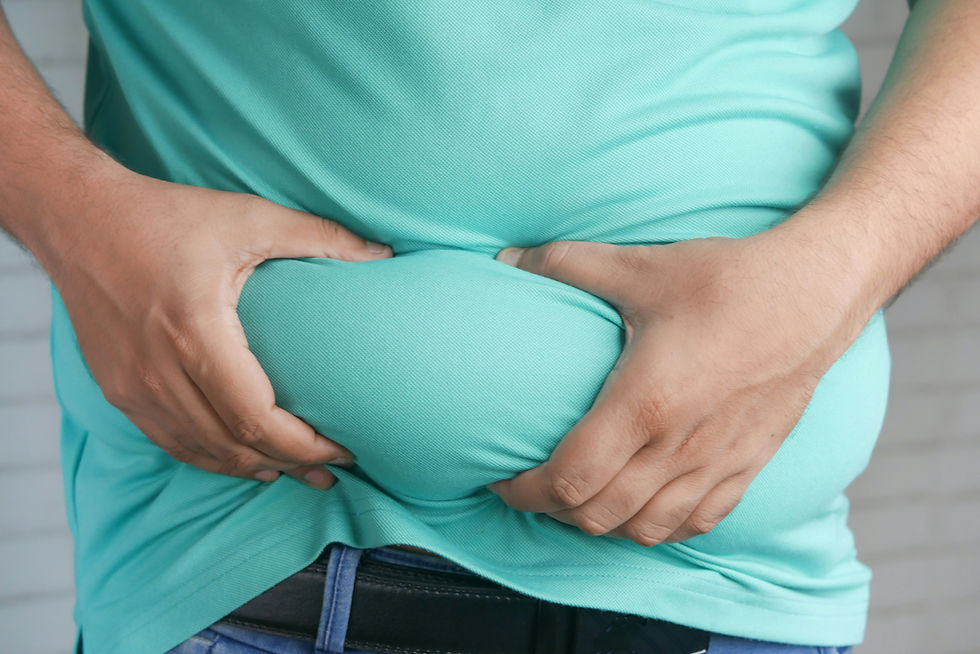
Many people blame their slow metabolism, weight gain, and low energy on age or lifestyle, but the real issue can sometimes start in the gut. When your digestive system, gut microbiome, and metabolic function are not working properly together, your body struggles to burn energy efficiently. In this guide, we explore Is Your Slow Metabolism a Gut Health Problem? Here's How to Find Out and what signs to watch for.
What if your stubborn fatigue, bloating, and food cravings are not just diet issues but signals from your gut? Many people ignore early digestive imbalance, poor nutrient absorption, and constant energy crashes. The truth is, your metabolism and gut health are deeply connected, and small changes can make a big difference. You might be surprised at what your body is trying to tell you right now.
What Is a Slow Metabolism?
A slow metabolism means your body burns calories at a lower rate than normal. Instead of converting food into energy efficiently, it stores more of it as fat. This basal metabolic rate drop can make it harder to lose weight, even if you eat well and exercise regularly. It often leads to unexplained weight gain and low daily energy.
Signs of a Sluggish Metabolism
Feeling constantly exhausted is a major clue. When your cellular respiration slows down, your body fails to generate enough fuel, leaving you fatigued. You might also notice that you feel cold all the time, especially in your hands and feet, because your body is conserving heat.
Other common symptoms include dry skin, thinning hair, and brittle nails. Your body prioritizes vital organs, so it cuts back on sending nutrients to your skin and hair. Constipation is also frequent, as a slow metabolic process reduces the speed of your entire digestive system.
Common Causes of Slow Metabolism
Many everyday factors can accidentally stall your fat-burning engine. Chronic dieting or severe calorie restriction forces your body into survival mode, where it holds onto fat stores. Age also plays a role, as we naturally lose muscle mass and experience a lower resting energy expenditure.
Key Factor | Impact on Metabolism |
Calorie Deficit | Triggers starvation mode, slowing down your calorie burn. |
Aging Process | Reduces lean muscle mass, which naturally drops your daily energy output. |
Hormonal Shifts | Conditions like hypothyroidism directly decrease your thyroid hormone levels. |
How Gut Health Affects Your Metabolism
Your digestive tract plays a massive role in how you process food. Your gastrointestinal tract does not just digest meals; it sends signals that manage your overall energy balance. When your gut is healthy, it helps regulate blood sugar, controls your appetite, and keeps your body burning fat smoothly.
Role of the Gut Microbiome in Energy Production
The trillions of bacteria living inside you help break down complex carbohydrates. These microscopic organisms extract extra nutrients and produce short-chain fatty acids. These specific acids act as direct fuel sources, helping to boost your daily metabolic rate and keep your cells energized.
A diverse mix of good bacteria prevents your body from harvesting excess calories. If your gut flora lacks diversity, you might absorb more fat from the exact same meals. Keeping these microbes balanced ensures your body burns calories efficiently instead of hoarding them as fat.
Gut Inflammation and Metabolic Slowdown
When bad bacteria take over, it triggers chronic inflammation in your gut lining. This constant irritation releases harmful toxins into your bloodstream, causing metabolic endotoxemia. This condition disrupts how your body handles food, making it much harder to maintain a healthy weight and stay energized.
This internal inflammation directly leads to serious insulin resistance throughout your body. When your cells stop responding to insulin, your body stores sugar as fat instead of burning it.
Leaky Gut Syndrome: Allows toxins to breach the intestinal barrier.
Immune Response: Triggers systemic inflammation that stalls fat burning.
Insulin Resistance: Prevents cells from turning glucose into usable energy.
Hormone Disruption: Mixes up signals that control hunger and fullness.
Fat Accumulation: Forces the body to store extra calories in adipose tissue.
Signs Your Metabolism Problem Is Actually a Gut Issue
Sometimes, trying to fix your weight or energy levels feels impossible. You might blame your thyroid, but the real culprit could be your digestive tract. Unresolved bloating, intense sugar cravings, and constant fatigue are major clues. Taking a high-quality metabolism repair supplement can help bridge the gap, but true healing requires fixing your overall gut health first.
Chronic Bloating and Gas After Meals
Feeling intensely full and uncomfortable right after eating is a major red flag. This happens when bad bacteria ferment food in your gastrointestinal tract, creating painful gas. Instead of your body absorbing nutrients smoothly, it triggers a strong immune response that slows down your digestion.
When your stomach stays constantly distended, it stalls your entire metabolic process. Your body expends its energy fighting irritation rather than burning calories efficiently. This continuous stress leaves you feeling incredibly fatigued and sluggish, making weight management a frustrating and uphill battle.
Unstoppable Cravings for Sugar and Carbs
An unhealthy balance of microbes inside you can actually hijack your brain signals. Bad bacteria survive on simple sugars, so they send intense signals to demand more junk food. This constant urge ruins your energy balance and causes massive spikes in your blood sugar.
These constant dietary choices eventually lead to severe insulin resistance over time. Instead of your cells utilizing glucose for daily fuel, your body immediately stores it as fat. This vicious cycle keeps you trapped in a loop of low energy and constant hunger.
Gut Issue | Direct Metabolic Impact |
Dysbiosis | Bad bacteria drive sugar cravings, ruining your calorie control. |
Leaky Gut | Toxins leak into blood, causing a slow metabolic rate. |
Slow Motility | Delays digestion, reducing your overall resting energy expenditure. |
Sudden Changes in Weight and Fat Storage
If you are gaining weight without changing your diet, your gut microbiome might be extracting too many calories from your food. Certain bad bacteria are highly efficient at harvesting fat from everything you eat. This leaves your body with an excess amount of daily energy output to store.
This imbalance alters the crucial hormones that tell your brain when you are full.
Leptin Resistance: Your brain misses the signal that you are completely full.
Adipose Tissue: Body actively directs extra calories into deep fat stores.
Gastrointestinal Inflammation: Stalls your natural ability to burn fat for fuel.
Short-Chain Fatty Acids: A lack of these healthy acids slows down cellular energy.
Nutrient Malabsorption: Missing vitamins prevents proper cellular respiration from occurring.
Gut Problems That Can Slow Down Metabolism
Specific digestive issues can directly damage your body's fat-burning abilities. When your digestive tract fails to process food correctly, it disrupts your entire energy balance. This friction slows your inner engine, forcing your body to store fat instead of using it for fuel. Healing these hidden gut problems is a necessary step to fix a sluggish system.
Gut Dysbiosis
An imbalance between good and bad bacteria in your gastrointestinal tract can completely stall your weight loss efforts. When harmful microbes outnumber the helpful ones, they alter how your body extracts nutrients. This shift makes you absorb more fat from the exact same meals.
This imbalance also triggers a steady immune response that slows down your basal metabolic rate. Instead of processing food cleanly, your body stays in a defensive state. This shift decreases your natural fat-burning power, leading to unwanted weight gain and constant, heavy fatigue.
Leaky Gut Syndrome
This condition happens when your intestinal lining gets damaged and microscopic holes appear. Toxic food particles and bacteria escape directly into your bloodstream, causing metabolic endotoxemia. Your body views these floating particles as dangerous invaders, which triggers chronic, widespread inflammation.
This continuous internal stress quickly leads to stubborn insulin resistance across your cells. When your body cannot use insulin properly, it stores sugar as fat rather than burning it.
Systemic Inflammation: Shuts down your body's natural fat-burning signals.
Hormonal Imbalance: Disrupts thyroid function and lowers resting energy expenditure.
Liver Overload: Forces the liver to detoxify blood instead of managing fat.
Cellular Stress: Slows down the process of vital cellular respiration.
Cortisol Spikes: Stress hormones rise, telling the body to hoard belly fat.
Poor Digestion and Low Enzyme Activity
If your body fails to produce enough digestive enzymes, it cannot break down food efficiently. Large, undigested particles sit in your stomach, slowing down your entire metabolic process. Without proper breakdown, your cells miss out on the vital vitamins needed for daily fuel production.
This lack of nutrients signals to your body that it is starving, which drops your energy output. Your system actively conserves power by putting your fat-burning mechanisms on hold. This makes it incredibly easy to gain weight, even if you eat clean foods.
Digestive Issue | Impact on Metabolism |
Low Stomach Acid | Blocks protein breakdown, leading to a loss of calorie-burning muscle mass. |
Enzyme Deficiency | Halts nutrient absorption, which lowers your daily metabolic rate. |
Sluggish Motility | Delays waste removal, causing inflammation that triggers fat storage. |
Conclusion
Fixing a sluggish system requires looking far beyond calories and exercise. Your gastrointestinal tract acts as the hidden control center for your entire energy balance. By balancing your gut flora, lowering internal inflammation, and boosting your digestion, you can unlock your body's natural ability to burn fat efficiently and regain your daily energy.
True health starts from within your digestive system. A healthy gut ensures your body utilizes nutrients for cellular respiration instead of storing them as fat. Combining a balanced diet, proper lifestyle habits, and a quality metabolism repair supplement will heal your gut and permanently restore a thriving metabolic process.
Frequently Asked Questions
Q1: Can a damaged gut cause sudden weight gain?
Yes, an imbalanced gut microbiome extracts excess calories from your food and forces your body to store them as fat.
Q2: How does gut inflammation slow my calorie burn?
Chronic inflammation triggers severe insulin resistance, which stops your cells from burning sugar and causes immediate fat storage instead.
Q3: Will improving my digestion increase my energy levels?
Absolutely, because a healthy tract extracts vital nutrients efficiently, boosting your basal metabolic rate and daily energy output naturally.
Q4: Can a metabolism repair supplement fix my gut?
It can significantly boost your metabolic rate, but you must also eat clean foods to completely heal your gastrointestinal tract.
Q5: What is the main sign that my gut is stalling my metabolism?
Experiencing constant bloating and painful gas after eating means your metabolic process is slowed down by bad bacterial overgrowth.


