
Modern Hotel Design Guidelines for Best Architecture and Guest Experience
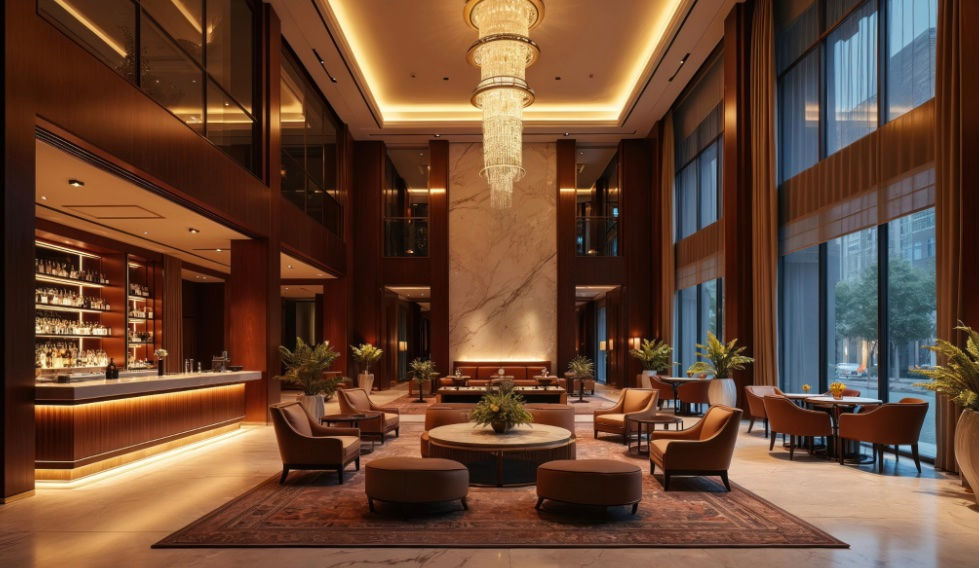
When a hotel project runs behind, it’s rarely due to a single issue. It’s a series of problems, such as design intent that didn’t translate to procurement, approvals that stalled, materials that arrived late or didn’t match submittals. That’s why modern hotel design today is less about isolated creativity and more about coordination from the outset.
For owners, developers, and brand teams, the goal is straightforward: deliver a property that meets standards, opens on time, and performs well in the market. The path to get there, however, depends on how tightly design, architecture, and procurement are aligned. The following hotel design guideline breaks down what that alignment looks like in practice—and where it makes the biggest difference.
Start With What the Property Needs to Deliver
Before layouts or finishes are discussed, the most effective projects begin with performance targets. That includes occupancy expectations, ADR positioning, guest profile, and brand requirements. These factors shape everything from room layouts to public space programming.
Guest satisfaction is related to functional comfort. Not just how a space looks, but how it works. Practically, that means guestrooms need intuitive layouts—clear paths, accessible outlets, and practical storage. Bathrooms should prioritize lighting quality and ease of maintenance, and public areas must handle peak flow without congestion.
A strong best hotel architecture approach translates these requirements into spatial decisions early. If that foundation is off, no amount of interior detailing will fully correct it later.
Work Within Brand Standards—But Use the Flexibility
Hotel brands are often seen as restrictive, but most provide more flexibility than people assume. The key is understanding where interpretation is allowed.
Major operators like Hilton and Marriott outline detailed requirements for finishes, fixtures, and layouts. At the same time, they leave room for localized elements—artwork, materials, and certain design expressions that reflect the market.
This is where projects either feel generic or grounded in their location.
A balanced approach typically includes staying within brand-approved palettes and specifications, introducing regional materials or artwork in focal areas and adjusting layouts slightly to reflect local guest behavior.
The advantage of working with an experienced hotel architecture design firm is knowing how to navigate those boundaries efficiently—avoiding unnecessary resubmissions while still creating a property that feels distinct. Paired with a capable design firm, those decisions carry through consistently from concept to installation.
The Model Room Isn’t a Formality—It’s a Filter
It’s tempting to treat the model room as a box-checking exercise. In reality, it’s one of the most valuable stages in the entire project.
This is where drawings meet reality. Materials are installed, furniture is assembled, lighting is tested, and everything is evaluated under real conditions.
A thorough model room process typically uncovers:
Installation conflicts that weren’t obvious in drawings
Material inconsistencies between samples and bulk production
Adjustments needed for brand approval
Opportunities to simplify procurement before scaling
Projects investing time here tend to avoid larger issues later. It’s a controlled environment for making corrections—before they become expensive.
From a procurement standpoint, it also provides clarity. Lead times, vendor responsiveness, and product quality all become more transparent once items are physically in place.
FF&E Procurement Should Shape Design Decisions
One of the most common risks in hospitality projects is treating procurement as a separate phase. By the time vendors are engaged, design decisions are already locked in—and not always realistic.
Supply chain volatility over the past few years has made this even more apparent. Reports from Deloitte and McKinsey have highlighted ongoing disruptions affecting lead times, pricing, and material availability.
To manage that, procurement needs to be part of the design conversation early.
That means confirming vendor capabilities before finalizing specifications, building alternate options into the design from the start, tracking costs in parallel with design development and aligning ordering schedules with construction timelines.
At AK Design Group, procurement follows design as a continuation of the same process. Once the design direction is set, the focus shifts to execution—coordinating vendors, managing submittals, and ensuring everything arrives as planned.
This approach protects both schedule and budget, which ultimately protects the project itself.
Durability Is a Design Decision, Not a Constraint
Hotels experience constant use. Materials that look good on day one but degrade quickly create long-term issues—both operational and financial.
The challenge is finding the balance between durability and guest perception. Spaces still need to feel comfortable and well-considered, not overly utilitarian.
Best practices across hospitality projects include:
Using commercial-grade upholstery and flooring in high-traffic areas
Selecting finishes that are easy to clean and maintain
Incorporating modular furniture where possible for easier replacement
Choosing materials that age well rather than show wear quickly
There’s also a practical layer to this. Housekeeping efficiency, maintenance cycles, and replacement costs are all related to these decisions.
Well-executed modern hotel design accounts for that from the project’s beginning —so the property continues to perform beyond the opening phase.
Layout Decisions Have a Direct Impact on Guest Experience
Poor circulation, tight layouts, or unclear zoning create friction that affects overall customer satisfaction.
This is especially important in lobby areas, where check-in, waiting, and circulation intersect, guestrooms, where every square foot matters, and dining and lounge spaces, where flexibility can increase usage.
Research from the Cornell School of Hotel Administration highlights how spatial efficiency influences guest perception, particularly in midscale properties where space is limited.
Effective layouts typically focus on clear pathways and logical flow, defined zones for different activities, and furniture arrangements that support both comfort and movement.
These decisions start at the architectural level and are refined through interiors—another example of why coordination matters across disciplines.
Lighting Should Be Planned, Not Added Later
Lighting is often one of the key elements finalized. It has a significant impact on both guest experience and operational efficiency.
A layered approach works best with ambient lighting for overall visibility, task lighting where functionality matters and accent lighting to highlight key features.
From an execution standpoint, lighting requires early coordination:
Fixture specifications need to align with procurement timelines
Installation details must be resolved before construction progresses too far
Control systems should be simple enough for staff to manage
Handled properly, lighting enhances both the look and the usability of a space.
Technology Should Support the Stay, Not Complicate It
Guests expect reliable technology, but they don’t want to think about it. That’s the benchmark.
Core requirements are straightforward:
Fast, stable Wi-Fi
Accessible charging points
Easy-to-use entertainment systems
Streamlined check-in and access solutions
Complications usually come from over-specification—adding features that are difficult to maintain or confusing to use.
A more effective approach focuses on proven, brand-approved systems, infrastructure that supports upgrades and coordination with IT teams early in the project.
This keeps the experience seamless while reducing operational strain.
Sustainability Is Now Part of Standard Practice
Sustainability has moved from optional to expected. Many brands now require it, and guests increasingly factor it into their decisions.
Frameworks like LEED and WELL have influenced how hotels approach:
Energy use
Water efficiency
Indoor environmental quality
Material sourcing
Sustainable buildings often see lower operating costs alongside improved occupant satisfaction.
In practical terms, this shows up as:
Efficient HVAC systems
Low-flow plumbing fixtures
Materials sourced with lifecycle impact in mind
Waste reduction strategies during construction
For owners, these decisions aren’t just about compliance—they contribute to long-term asset performance.
Where Projects Succeed: Coordination and Follow-Through
Well-designed hotels are the result of consistent coordination between teams—design, architecture, procurement, and construction.
When that coordination breaks down, the issues are predictable:
Delays due to missing approvals
Budget overruns from late changes
Product substitutions that affect quality
Installation challenges on site
When it works, the process feels controlled:
Submittals move efficiently
Vendors are aligned early
Deliveries match construction schedules
Issues are resolved before they escalate
That’s the difference between a project that opens as planned and one that doesn’t.
Closing Perspective
The conversation around best hotel architecture has shifted. It’s no longer just about how a building looks, but how effectively it comes together—and how well it performs once it’s open.
For teams navigating brand standards, timelines, and budget pressures, the most reliable approach is one where design leads and procurement support from the beginning. Not as separate tracks, but as a single, coordinated process.
That’s where AK Design Group focuses its work—starting with interiors that define the guest experience, then carrying that intent through procurement, vendor coordination, and final delivery.
Because in the end, a successful hotel isn’t defined at the concept stage. It’s defined by what actually gets built, how smoothly it opens, and how well it operates over time.


