
Navigating Privacy and Landlords' Entry Limits
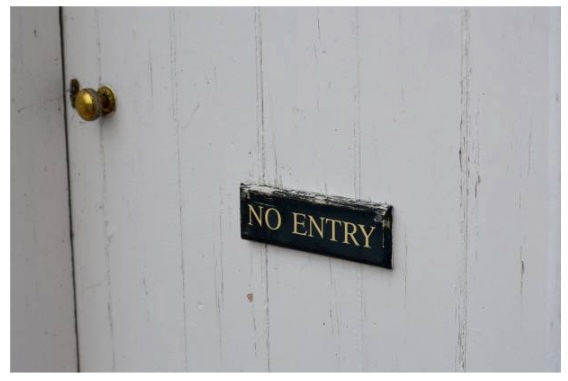
When you’re renting a home, it’s like you’re getting your own little sanctuary and the right to enjoy your space without any unnecessary interruptions. Yes, it’s true that your landlord still owns the property, but your rental is still your home until your lease is over. Basically, there should be entry limits to how your landlord goes in and out of your home. When you understand these limits, you’ll be able to avoid unnecessary misunderstandings with your landlord and live more peacefully.
Why is Tenant Privacy a Fundamental Rental Housing Right?
As soon as you sign a lease, you gain the legal right to live in a property. And with that right comes the expectation that you’ll live there with no one barging in whenever they please. The truth is, privacy is super important for you because your rental is where you sleep, keep your personal stuff, and also spend time with the people you love. So although your landlord owns the property, they can’t act like they have unrestricted access to your home. Most of the time, they’ll need to notify you in advance in accordance with local state laws and as stated in the lease agreement regarding notice requirements.
In addition, tenant privacy is a fundamental housing right because you become aware of when something’s inappropriate. For example, if your landlord keeps entering your home without notice or uses their access to mess with your daily life, you’ll have grounds to take the issue up. On the whole, knowing how often can landlords inspect the property can help prevent misunderstandings and establish reasonable expectations throughout the lease term.
When Are Landlords Legally Allowed to Enter a Rental Property
Property Inspections
There are a few times your landlord can legally enter your home, and one of them is to inspect the rental. These visits basically allow them to check out the overall condition of the property, as well as spot maintenance issues before they get really bad.
In most cases, your landlord needs to follow applicable notice and entry procedures into your rental, unless your lease or local laws specifically say they can. You can also ask your landlord questions about what the inspection’s for and how long it’s going to last. You’ll have enough time to prepare and make sure the visit disrupts your flow as little as possible.
Repairs and Maintenance
Another time your landlord’s legally allowed to enter your rental is when there’s maintenance or repairs that need fixing. From time to time, you might be the one requesting such repairs, like when there’s a leaky pipe or an electrical issue that needs fixing.
Also, there are periods when maintenance is absolutely necessary to preserve the safety of your home. Thus, your landlord might schedule servicing of things like heating systems, plumbing, smoke detectors, and so on. Plus, these might need them to enter your rental regardless of whether you specifically asked for the repairs.
In addition, Bay Property Management Group Austin Texas emphasizes that scheduled inspections and maintenance visits should be conducted with proper advance notice. But if there’s an emergency, your landlord might not notify you at all before entering your home. For instance, if there’s a fire, a gas leak, or flooding, your landlord might barge in to reduce damage or protect everyone.
Property Showings
Now, if your lease is almost over or if your landlord wants to sell the property, they might need to pop into your home to show their prospective tenants or buyers what the unit looks like. And although they’re generally allowed to do this, it also doesn’t mean that they can just come in without prior notice. Thus, you and your landlord can work together to fix a convenient viewing period instead of them making lots of unplanned visits and stressing you out.
Legal and Safety Requirements
Occasionally, your landlord might need to enter your rental so they can carry out some legal tasks or complete important safety-related work. Now, unlike routine inspections, these visits are tied to some other legal responsibilities that’ll help keep your property safe. For example, your landlord can carry out fire safety testing, pest control treatments, or other random work that’s required by authorities. Even so, they still need to notify you about these things before they happen.
Best Practices for Tenants to Consider
Understand Lease Provisions
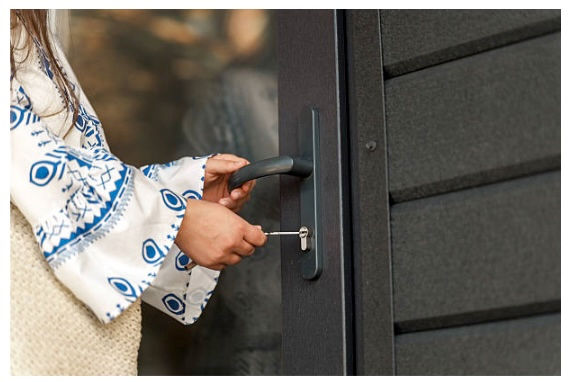
Your lease is one of your most important documents when it comes to your landlord accessing your home. For context, it usually tells you when your landlord can come in, how much notice they should give you before they visit, and how both of you will move forward.
That’s why before you move in, you should take the time to actually read everything in your lease instead of skimming past it. Apart from that, if anything seems unclear in the lease, you should ask your landlord to clarify or explain instead of rushing to sign the lease. Obviously it’s much easier to clarify your expectations at the beginning of the tenancy rather than after a disagreement comes up.
Communicate Concerns Promptly
The moment something about your landlord's entry makes you uncomfortable, you need to address it as soon as possible. You can start by bringing it up calmly and focusing on the specific issue you’re going through. For example, you might ask for more advance notice before your landlord visits in the future, or tell them to schedule visits whenever you're available.
In addition, you should try to communicate via email or any other methods you can go back to check, because that might help both of you remember what you discussed and reduce confusion about what you've planned to do.
Document Incidents
Another thing you need to do is keep the records of entry-related incidents that you believe may not have complied with your lease. For example, you should write down the dates, times, and details of any incidents, including whether or not a notice was provided and what went down during the visit.
Thus, having your documents organized doesn’t necessarily mean there'll be disputes. It just means that you’ll have a very detailed record if you ever need to explain the situation to your landlord or anyone else.
Conclusion
At the end of the day, when your landlord respects your privacy, it’s a win for everyone involved. Your landlord can carry out their duties responsibly and legally when they give proper notice instead of going in and out of your home as they please. In addition, you’ll also have your rights protected when you’re able to spot things that are going wrong. When both of you understand each other, it's much easier to maintain trust and create a more positive rental experience.


