
Neuromodulators: What They Are, How They Work, and What to Expect
- Jun 18
- 4 min read
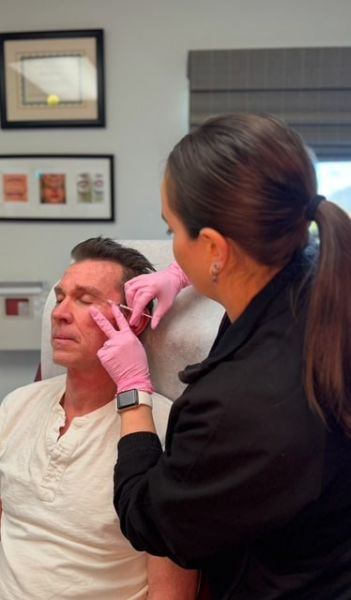
Neuromodulators are substances that alter nerve signal transmission to targeted muscles. In aesthetics, they refer specifically to botulinum toxin-based injectables—such as Botox, Dysport, Xeomin, Jeuveau, and Daxxify—used to smooth dynamic wrinkles caused by repetitive facial movement. They work by temporarily blocking the nerve signals that cause muscles to contract.
How Do Neuromodulators Work?
When injected into a specific muscle, neuromodulators block acetylcholine—the neurotransmitter responsible for triggering muscle contractions. The muscle relaxes, and the overlying skin smooths out. The effect is temporary. Over 3–4 months, nerve signaling gradually resumes and muscle activity returns.
Which Areas Can Be Treated?
Forehead lines
Frown lines (glabellar lines between the brows)
Crow's feet (around the eyes)
Bunny lines (across the nose bridge)
Lip lines and chin dimpling
Neck bands (platysma)
Excessive sweating (hyperhidrosis)
In October 2024, the FDA approved Botox Cosmetic to treat moderate to severe platysma bands in adults, making it the first aesthetic neurotoxin with four approved facial and neck indications.
Who Is a Good Candidate for Neuromodulators?
Neuromodulators suit adults of any age who have dynamic wrinkles—lines that appear during facial expressions, not at rest. They are not appropriate for people who are pregnant, breastfeeding, or have certain neuromuscular disorders.
A growing trend worth noting: younger generations, including Gen Z and Millennials, are increasingly opting for preventive neuromodulator treatments—often called "prejuvenation"—before deeper wrinkles form. This proactive approach is reshaping who gets treated and when.
What Are the Most Common Neuromodulators?
Product | Manufacturer | Onset | Duration |
Botox | AbbVie/Allergan | 3–5 days | 3–4 months |
Dysport | Ipsen | 2–3 days | 3–4 months |
Xeomin | Merz | 3–5 days | 3–4 months |
Jeuveau | Evolus | 3–5 days | 3–4 months |
Daxxify | Revance | 3–5 days | Up to 6 months |
Each product uses botulinum toxin type A but differs in formulation, diffusion, and duration. Your provider chooses based on treatment area and patient history.
How Popular Are Neuromodulators?
The demand is massive and growing. In 2023, cosmetic minimally invasive procedures using neuromodulator injections reached 9,480,949—a 9% increase from the previous year. According to plastic surgery statistics, the majority (57%) of neuromodulator injection procedures were performed in the 40–54 age group.
Globally, the market reflects this momentum. The global botulinum toxin market was estimated at USD 8.65 billion in 2024 and is projected to reach approximately USD 21.57 billion by 2034, growing at a CAGR of 9.57%.
What Are the Benefits and Limitations?
Benefits:
Non-surgical with no downtime
Fast procedure (10–20 minutes)
Results visible within 3–7 days
Reversible and adjustable over time
FDA-approved for multiple indications
Also treats migraines, hyperhidrosis, and TMJ
Limitations:
Temporary—maintenance sessions needed every 3–4 months
Results vary based on injector skill and anatomy
Not effective for static wrinkles caused by volume loss
Can cause temporary bruising, headache, or asymmetry if improperly placed
What Should You Expect During and After Treatment?
A qualified injector will assess your facial anatomy before treatment. The injections take under 20 minutes. You may feel a small pinch. Results begin appearing within 3–7 days and peak around 2 weeks.
Post-treatment, you should avoid lying flat for 4 hours, skip strenuous exercise for 24 hours, and avoid rubbing the treated area. Side effects are generally mild—slight redness, swelling, or bruising at injection sites.
For those exploring preventive aesthetic treatments, the FDA's official safety information on Botox and botulinum toxin products offers reliable guidance on approved uses, safety warnings, and what questions to ask your provider.
Are Neuromodulators Safe Long-Term?
Yes, when administered by a licensed medical professional. Decades of clinical data support their safety profile. An estimated 11 million people worldwide have used Botox, making it one of the most common non-surgical cosmetic procedures, according to UCSF Health. At The G Spa, the emphasis on qualified providers and personalized treatment plans reflects exactly the standard of care that makes neuromodulator treatments both safe and effective long-term.
FAQ
What exactly are neuromodulators? Neuromodulators are injectable medications derived from botulinum toxin type A that temporarily block nerve signals to muscles. In aesthetics, they smooth dynamic wrinkles on the face and neck. Popular brands include Botox, Dysport, Xeomin, Jeuveau, and Daxxify. Results typically last 3–4 months before the body gradually metabolizes the product.
How long does a neuromodulator treatment last? Most neuromodulators last 3–4 months. Daxxify is the exception, with results lasting up to 6 months in some patients. Longevity depends on the product used, the treated area, your metabolism, and how frequently you get treated. Regular maintenance appointments can extend the quality of results over time.
Are neuromodulators painful? The procedure involves a series of small injections using very fine needles. Most patients describe the sensation as a quick pinch. Topical numbing cream can be applied beforehand to reduce discomfort. The entire session typically takes 10–20 minutes, making it a convenient lunch-break procedure with no significant recovery.
Can neuromodulators prevent wrinkles from forming? Yes, used early enough. When muscles are repeatedly relaxed over time, they lose their habit of deep contracting, which slows the formation of permanent static lines. This is the foundation of the "prejuvenation" trend—starting treatments in your 20s or early 30s before deep wrinkles develop.
What's the difference between neuromodulators and dermal fillers? Neuromodulators relax muscles to reduce dynamic wrinkles caused by movement. Dermal fillers add volume to restore structure or fill in static wrinkles and hollow areas. The two treatments are complementary and often used together for a complete facial rejuvenation approach.
Who should not get neuromodulators? People who are pregnant, breastfeeding, or have neuromuscular conditions such as ALS, myasthenia gravis, or Lambert-Eaton syndrome should avoid neuromodulators. A thorough medical history review with a qualified provider before treatment is essential to rule out contraindications.
How do I choose the right neuromodulator? Your provider will guide this decision based on your anatomy, treatment goals, and medical history. Different products have slightly different diffusion patterns and onset times. There is no universally "best" product—the right one depends on your specific needs and the injector's clinical expertise.
TL;DR
Neuromodulators are FDA-approved injectables that temporarily relax muscles to reduce dynamic facial wrinkles.
Common brands include Botox, Dysport, Xeomin, Jeuveau, and Daxxify—all based on botulinum toxin type A.
Results last 3–4 months (up to 6 for Daxxify); procedures take under 20 minutes with no downtime.
The global market exceeded $8.6 billion in 2024 and is projected to more than double by 2034, reflecting widespread adoption across all age groups.


