
Practical Tips for Calculating Your 9mm Range Ammunition Needs
- Aug 4
- 3 min read
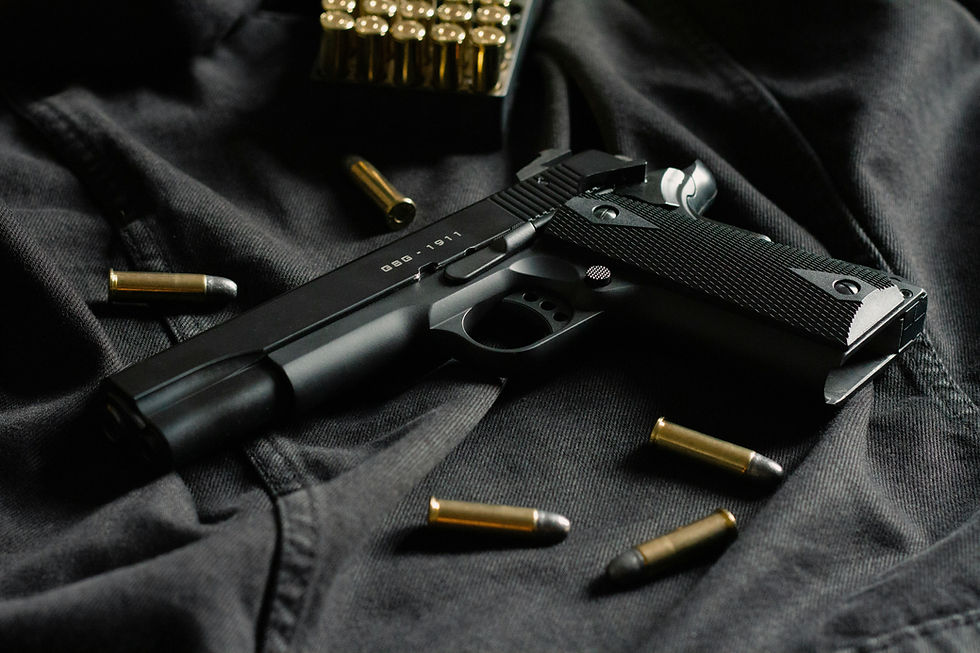
A planned range visit can include accuracy work, magazine changes, target transitions, and controlled shooting drills. Each activity uses a different number of rounds, so arriving with a random quantity can disrupt the training plan. Calculating the expected round count beforehand keeps the session organized and focused.
Start by listing every planned drill and estimating how many repetitions each one requires. The required amount of 9mm ammo becomes easier to calculate once targets, magazines, repetitions, and practice goals are clearly defined. This simple preparation also helps shooters purchase suitable box quantities for upcoming sessions.
Set A Clear Goal For The Session
Every range session should focus on specific shooting skills rather than an undefined number of rounds. A basic accuracy session may involve slow, deliberate groups, while a structured practice day may include several timed drills. Defining the purpose provides a reliable starting point for the calculation.
Assign Rounds To Each Drill
Write down each drill and multiply its required rounds by the planned number of repetitions. For example, a five-round accuracy drill completed six times requires 30 rounds. Apply the same calculation to every drill before combining the totals.
A practical session plan may include:
Accuracy groups requiring 25 to 40 rounds
Controlled pairs requiring 30 to 50 rounds
Magazine changes requiring 24 to 48 rounds
Target transitions requiring 30 to 60 rounds
Calculate Ammunition Through Magazine Counts
Magazine capacity offers another simple way to estimate range ammunition needs. Multiply the number of magazines planned for each drill by the number of rounds loaded into each magazine. Repeat the calculation for every training block listed in the session plan.
A shooter planning eight magazines loaded with ten rounds will need 80 rounds for that portion of training. Estimating 9mm ammo requirements before arriving at the shooting range also leaves room for sight checks, repeated drills, or extra practice during the session. Adding a small allowance of 10 to 20 percent helps cover those planned adjustments without encouraging careless use.
Match Box Quantities To The Final Estimate
Range ammunition may be available in 50-round boxes and larger bulk quantities, including 250-round and 500-round packages. Compare the calculated session total against these package sizes to determine the most practical quantity. A 150-round training plan, for example, can be covered by three 50-round boxes.
Account For Practice Frequency
One session provides only part of the information needed for monthly planning. Multiply the expected round count per visit by the number of scheduled range trips. Four monthly sessions using 150 rounds each create an estimated monthly requirement of 600 rounds.
Add scheduled courses, qualification practice, or competition preparation as separate entries. These activities may involve distinct drills and higher round counts, so combining them with routine practice can produce an inaccurate estimate. Separate calculations keep the final quantity realistic and easy to review.
Evaluate Range Ammunition Suppliers Before Buying In Bulk
Choosing a supplier that provides consistent range ammunition helps support reliable training over time. Careful attention to product specifications, available package sizes, and manufacturing consistency allows buyers to plan future practice sessions with greater confidence. A dependable supplier also makes long-term ammunition planning more practical for regular range use.
Consistent ammunition planning helps every range session stay organized and aligned with specific training goals. Accurate calculations, thoughtful purchasing decisions, and routine tracking create a practical approach that supports steady shooting progress. Applying these habits throughout the year can improve preparation for every planned visit to the range.


