
Preventing Rust and Corrosion on Your Bull Bar
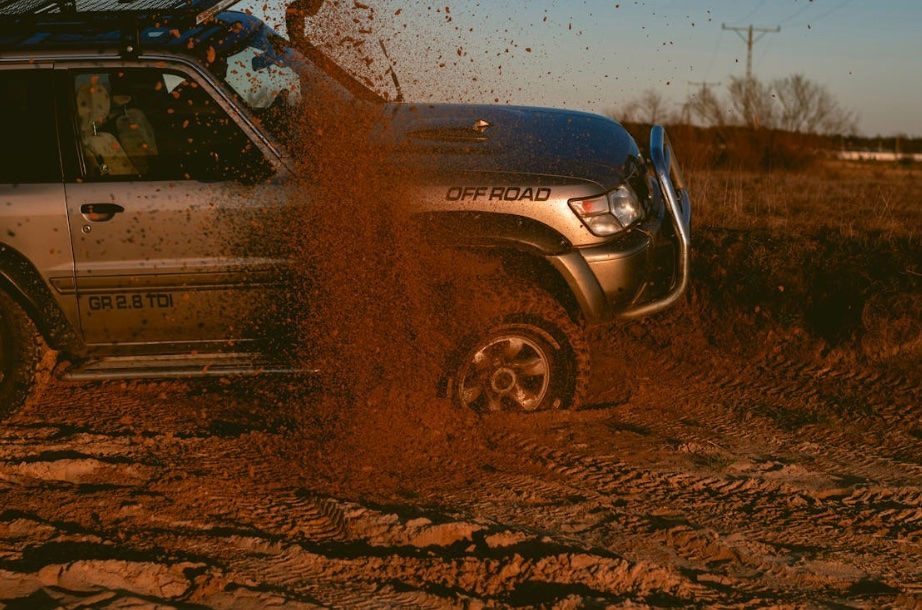
Experts know that bull bars are the real frontline protectors for 4x4 vehicles. This is especially true when you’re hitting muddy tracks, dodging debris, or splashing through creek crossings. But how do you keep your bull bar Ford Ranger solid, corrosion-free, and looking sharp after countless adventures?
Understanding How Rust Forms on Bull Bars
When steel meets oxygen and moisture, it oxidises, slowly transforming that sturdy bar into flaky, weak metal. Even aluminium, while naturally more resistant, can pit and oxidise over time if left unprotected. Scratches, dents, and chips only accelerate the process, giving water and salt easy access to bare metal.
Environmental exposure plays a role, too, as muddy tracks trap moisture against the bull bar, river crossings introduce chemicals, and salty roads or coastal air speed up corrosion.
Early detection is key. The moment you spot small rust spots or paint chips, action needs to follow. And remember, the type of metal dictates the severity and rate of corrosion. Steel can rust fast under constant exposure, while aluminium resists but isn’t invincible. Common triggers for bull bar corrosion include:
Moisture and oxygen interacting with unprotected metal surfaces
Salt or chemicals from roads and tracks accelerating corrosion
Mud and debris holding moisture against the metal
Scratches or chip damage exposing raw metal
Preventative Coatings and Finishes
A bull bar’s coating is its first line of defence. Powder coating forms a thick, durable shell that adheres well and resists chipping, while traditional paint requires careful application to achieve similar protection. For steel bars, galvanisation or zinc layers act as a sacrificial shield, corroding slowly to save the structural metal underneath.
But the reality is, even the toughest coating won’t last if the bull bar isn’t installed correctly or maintained. Tiny gaps, poorly masked edges, or lingering dirt can compromise the finish. Terrain matters too, as constant contact with branches, stones, or water crossings will test any coating. So, choose wisely and pair it with regular upkeep; it’s like giving your bull bar a suit of armour it won’t want to take off.
Routine Cleaning and Maintenance Practices
Keeping rust at bay starts with routine cleaning. After any off-road jaunt, give your bull bar a good wash to remove mud, dirt, and salts that cling to metal. Use mild cleaners that don’t strip protective coatings, then dry thoroughly. A quick once-over for scratches or chips can prevent small issues from snowballing. Let this be your maintenance checklist:
Inspect mounting bolts and joints for early signs of rust.
Touch up any chips immediately with compatible paint or sealant.
Lubricate exposed fittings to reduce moisture retention.
Repairing Surface Damage and Spot Rust
Even with the best care, bumps happen. Early-stage rust needs immediate attention before it spreads. Start by sanding the affected area back to bare metal, then apply primer and a fresh protective coating. For minor surface corrosion, rust converters or sealants can neutralise rust and stop it in its tracks.
Delaying repairs allows corrosion to penetrate deeper, weakening structural integrity over time. For those wanting a pro-level finish, consider heat or chemical curing methods. They bond coatings more thoroughly and provide industrial-grade durability.
Environmental Considerations for Long-Term Protection
Where you park and how you use your vehicle affects rust rates more than most realise. Storing a bull bar in a dry, covered spot drastically reduces exposure to moisture. Similarly, avoid leaving the vehicle sitting in puddles, salt spray, or acidic soils for extended periods.
If your 4x4 sees frequent creek crossings or coastal tracks, a few seasonal rituals can make a world of difference:
Raise the vehicle off wet ground during storage.
Inspect thoroughly after heavy rains or wet seasons.
Apply seasonal protective wax or anti-corrosion sprays.
Choosing the Right Bull Bar Material to Minimise Corrosion
Material choice plays a massive role in rust resistance. High-tensile steel offers strength but needs coatings and routine upkeep. Aluminium is lighter and naturally resistant to rust but can pit and oxidise if neglected. Stainless steel offers excellent corrosion resistance but comes at a weight and cost trade-off.
If you regularly face harsh terrain, think about the balance between durability, weight, and maintenance needs. Pick a bar that fits both your adventures and your care routine.


