
Rock Anchoring Contractors Guide
- 4 days ago
- 5 min read
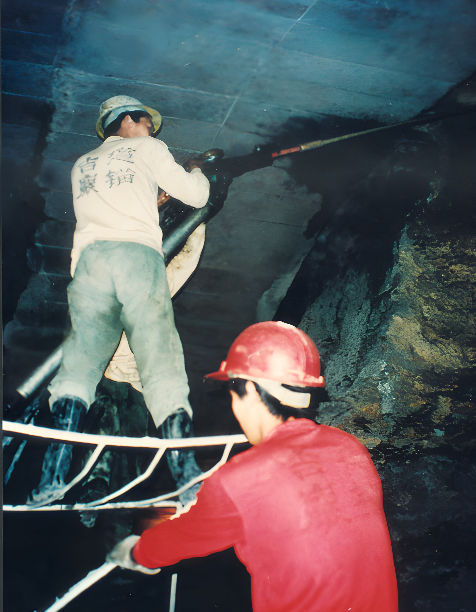
Some of the most critical structural work in construction and infrastructure happens where it's least visible — deep within rock formations, stabilizing slopes, foundations, and retaining structures against forces that could otherwise lead to catastrophic failure. This specialized work requires rock anchoring contractors with the geotechnical expertise, equipment, and precision to install anchoring systems that hold for decades. This guide covers what rock anchoring involves, when it's needed, and what to look for when selecting a qualified contractor.
What Is Rock Anchoring?
Rock anchoring is a geotechnical engineering technique used to stabilize rock formations, slopes, foundations, or structures by installing steel tendons or bars deep into rock, then anchoring and tensioning them to transfer load into stable ground. This process significantly increases the load-bearing capacity and stability of the anchored area, preventing movement, slope failure, or structural displacement.
Rock anchors are commonly used in slope stabilization, foundation support, retaining wall construction, tunnel and mine support, and anchoring structures like bridges, dams, and towers to bedrock for added stability against uplift, sliding, or seismic forces.
What Do Rock Anchoring Contractors Do?
Rock anchoring contractors specialize in the design, drilling, installation, and testing of rock anchor systems. Their work typically involves:
Site Assessment and Geotechnical Analysis – Evaluating rock quality, geological conditions, and load requirements to determine the appropriate anchoring approach.
Drilling – Boring precisely angled and positioned holes into rock formations to the required depth, using specialized drilling equipment suited to the specific rock type.
Anchor Installation – Inserting steel tendons, bars, or cables into the drilled holes, followed by grouting to bond the anchor securely within the rock.
Tensioning and Testing – Applying calculated tension to the installed anchor and conducting load testing to confirm it meets required performance specifications.
Monitoring and Quality Control – In some projects, especially long-term installations, contractors may install monitoring systems to track anchor performance over time.
Because rock anchoring work directly affects structural stability and public safety, contractor experience and technical precision are critical throughout every stage of the process.
Types of Rock Anchors Installed by Contractors
Rock anchoring contractors typically work with several anchor system types, chosen based on load requirements, rock conditions, and project duration:
1. Temporary Rock Anchors
Used for short-term stabilization needs, such as during construction or excavation phases, temporary anchors provide support until permanent structural elements are completed.
2. Permanent Rock Anchors
Designed for long-term structural support, permanent anchors are engineered with corrosion protection and durability suited to remain in place for the lifespan of the structure they support.
3. Tensioned (Prestressed) Anchors
Installed and then tensioned to a specific load before being locked off, these anchors actively resist movement from the moment of installation, commonly used in slope stabilization and retaining wall applications.
4. Passive (Untensioned) Anchors
Installed without initial tensioning, these anchors resist movement only as loads develop over time, often used in rock bolting applications for tunnel or underground support.
5. Micropiles and Soil Nails
While technically distinct from traditional rock anchors, these related techniques are often used alongside or in combination with rock anchoring systems for comprehensive ground stabilization solutions.
Choosing the right anchor type depends on the specific geotechnical conditions, load requirements, and whether the application calls for temporary or permanent support.
When Rock Anchoring Is Needed
Rock anchoring contractors are typically brought into projects involving:
Slope Stabilization – Preventing landslides or rockfall along highways, construction sites, or natural slopes
Foundation Support – Anchoring building or bridge foundations into bedrock for added stability
Retaining Wall Construction – Providing lateral support for retaining walls in challenging soil or rock conditions
Dam and Tunnel Construction – Stabilizing excavated rock surfaces and providing structural support for underground or hydraulic structures
Tower and Structure Anchoring – Securing towers, bridges, or other structures against uplift or lateral forces, particularly in high-wind or seismic regions
Mining Operations – Supporting underground tunnels and excavated rock faces to prevent collapse
Recognizing when a project requires specialized rock anchoring expertise — rather than standard foundation work — is an important early step in project planning.
Key Benefits of Working with Qualified Rock Anchoring Contractors
1. Enhanced Structural Stability Properly engineered and installed rock anchors significantly reduce the risk of slope failure, foundation movement, or structural displacement.
2. Long-Term Reliability Permanent anchor systems, when installed correctly with appropriate corrosion protection, are designed to provide stability for the full lifespan of the structure they support.
3. Site-Specific Engineering Experienced contractors tailor anchoring solutions to the specific geological conditions of each site, rather than applying a one-size-fits-all approach.
4. Reduced Risk of Costly Failures Investing in qualified installation reduces the risk of anchor failure, which can lead to expensive repairs, project delays, or serious safety incidents.
5. Compliance with Engineering Standards Reputable contractors ensure installations meet relevant geotechnical and structural engineering codes, simplifying regulatory approval and inspection processes.
Industries and Projects That Rely on Rock Anchoring Contractors
Highway and Transportation Infrastructure – Slope stabilization along roadways and rail corridors
Commercial and Residential Construction – Foundation support in challenging or sloped terrain
Mining and Underground Construction – Tunnel and excavation support systems
Dam and Water Infrastructure Projects – Structural anchoring for hydraulic and water containment structures
Renewable Energy – Anchoring wind turbine foundations or other structures in rocky or mountainous terrain
Telecommunications – Securing towers and antenna structures against uplift and lateral forces
Key Factors to Consider When Choosing a Rock Anchoring Contractor
1. Geotechnical Expertise Confirm the contractor has in-house or partnered geotechnical engineering expertise to properly assess site conditions and design an appropriate anchoring solution.
2. Relevant Project Experience Look for a track record of successfully completed projects similar in scope, rock conditions, and load requirements to your own.
3. Equipment and Drilling Capabilities Ensure the contractor has appropriate drilling equipment suited to your specific rock type and site accessibility conditions.
4. Compliance and Certification Verify the contractor's compliance with relevant geotechnical, structural, and safety standards applicable to your project's location.
5. Testing and Quality Assurance Processes Ask about the contractor's load testing procedures and quality control measures to confirm installed anchors meet required performance specifications.
6. Safety Record Given the technical and physically demanding nature of this work, review the contractor's safety history and adherence to industry safety standards.
7. Project Timeline and Communication Confirm the contractor's ability to meet your project schedule and their responsiveness throughout the planning and execution phases.
8. References and Case Studies Request references or case studies from similar past projects to validate the contractor's expertise and reliability.
Cost Considerations
The cost of rock anchoring services depends on several variables:
Site accessibility and geological conditions
Anchor type (temporary vs. permanent, tensioned vs. passive)
Number and depth of anchors required
Testing and quality assurance requirements
Contractor experience and regional labor costs
While cost is always a consideration, rock anchoring is safety-critical work — prioritizing contractor expertise, proper engineering, and quality installation over the lowest bid helps avoid costly failures, project delays, or serious safety risks.
Final Thoughts
Choosing the right rock anchoring contractors is a decision that directly impacts the long-term stability and safety of slopes, foundations, and structures. Because this specialized work requires deep geotechnical expertise, precise drilling and installation techniques, and rigorous testing, it's essential to prioritize proven experience and engineering rigor over price alone. A qualified rock anchoring contractor doesn't just complete a drilling job — it becomes a trusted partner in the structural stability of the ground and infrastructure their work supports for years to come.


