
Signs Your Home Needs an HVAC Repair Company Before Minor Issues Become Expensive Repairs
- Aug 3
- 5 min read
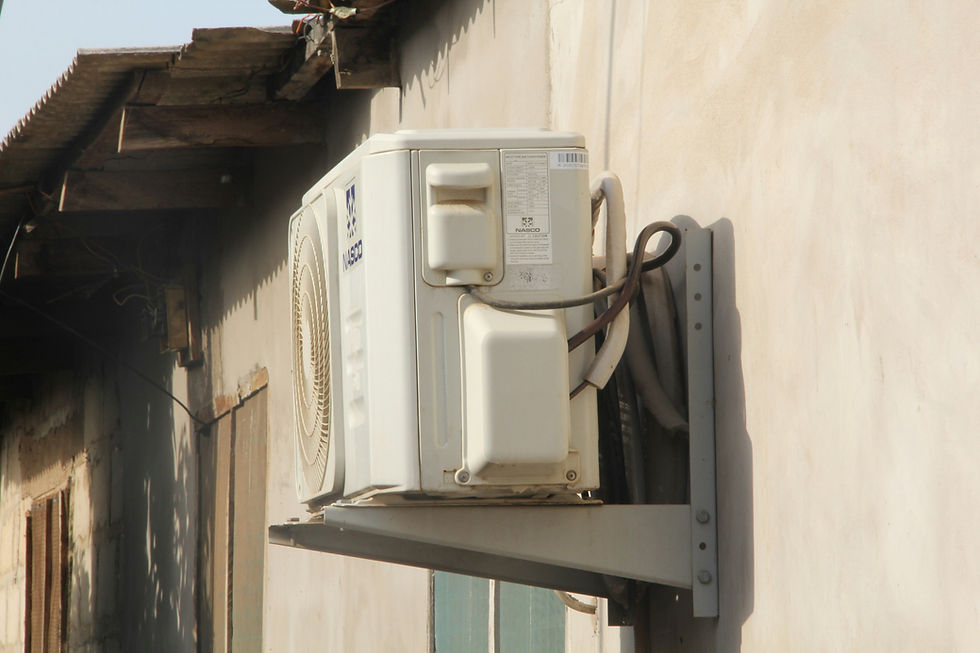
Your home's heating and cooling system works quietly in the background until something changes. Small issues often develop gradually, making them easy to overlook as daily routines continue uninterrupted. A strange sound, uneven temperatures, or rising utility costs may seem minor at first, but these early warning signs can indicate developing mechanical issues. Addressing these problems sooner rather than later helps maintain comfort while reducing the likelihood of unexpected breakdowns.
Recognizing when to contact an HVAC repair company allows homeowners to address manageable concerns before they escalate into larger repairs that require more time, money, and inconvenience.
Early Warning Signs to Watch
Uneven Temperatures Throughout the Home
One of the earliest indicators that an HVAC system needs attention is inconsistent indoor temperatures. You may notice that one bedroom feels much warmer than another or that the living room never reaches the temperature displayed on the thermostat. While changing weather conditions can affect indoor comfort, persistent hot and cold spots often suggest airflow restrictions, failing components, clogged filters, leaking ductwork, or equipment that is no longer operating efficiently. These issues rarely improve on their own and can gradually place more stress on the entire system. Ignoring uneven temperatures may eventually lead to reduced equipment performance and increased wear on motors and other moving parts.
Paying attention to these differences throughout your home gives you an opportunity to address problems before they spread to other sections of the HVAC system. A thorough inspection can determine whether the issue involves airflow, refrigerant levels, electrical components, or thermostat calibration. Andersen Air Inc hvac repair can be considered when homeowners notice these warning signs and want to address developing HVAC concerns before they become larger repair projects.
Unusual Sounds Should Never Be Ignored
Every HVAC system produces some level of operational noise, but unfamiliar sounds deserve attention. Banging, squealing, rattling, grinding, or buzzing noises often indicate that something inside the equipment is loose, worn, or damaged. A loose fan blade may continue to strike nearby components, while worn bearings can create excessive friction that shortens the motor's life. Electrical buzzing may point toward wiring concerns, and persistent rattling can signal loose panels or internal parts that require adjustment.
What begins as a small mechanical issue can eventually cause additional components to fail if operation continues without inspection. Waiting until the sound becomes louder may allow a repair that could have been relatively straightforward to develop into a much larger expense. Homeowners sometimes become accustomed to these noises over time, assuming they are simply part of an aging system, but unusual sounds are often the equipment's way of signaling that attention is needed before damage spreads throughout the unit.
Rising Energy Bills Without Increased Usage
Monthly energy bills can reveal valuable information about the health of an HVAC system. If utility costs continue climbing despite similar household routines and weather conditions, the equipment may be consuming more electricity than necessary to maintain indoor comfort. Dirty coils, restricted airflow, refrigerant issues, aging components, or malfunctioning thermostats can force the system to work much harder than intended. As efficiency decreases, operating costs naturally increase because equipment must run longer to achieve the same results. Many homeowners initially blame seasonal utility rate changes or outdoor temperatures without considering the condition of their HVAC system.
Comparing current bills with previous months or with the same season in prior years can help identify unusual increases that warrant investigation. Addressing efficiency problems early may restore normal operation while preventing unnecessary stress on compressors, blower motors, and electrical components, which often become more costly to replace if left unaddressed.
Frequent Cycling and Constant Operation
Heating and cooling systems are designed to cycle on and off as they maintain indoor temperatures. When the equipment begins turning on and off every few minutes or seems to run almost continuously without reaching the desired temperature, something may be interfering with normal operation. Frequent cycling can result from thermostat problems, clogged filters, restricted airflow, refrigerant concerns, or equipment that has developed mechanical issues. Constant operation not only increases energy consumption but also accelerates wear on moving components because they receive very little opportunity to rest between operating cycles.
Motors, compressors, capacitors, and electrical controls experience additional strain under these conditions. Some homeowners mistake continuous operation as a sign that the system is simply working harder during extreme weather, but if the behavior continues under moderate conditions, professional evaluation becomes increasingly important. Correcting the underlying issue promptly can reduce unnecessary operating time while helping preserve the overall lifespan of the heating and cooling equipment.
Weak Airflow From Vents
Strong, steady airflow helps distribute conditioned air evenly throughout the home. When airflow becomes noticeably weaker, rooms may take much longer to cool or heat, even though the HVAC system appears to be running normally. Reduced airflow can result from blocked air filters, damaged blower motors, obstructed ductwork, or accumulated debris inside the system. In some cases, leaks in the ductwork allow conditioned air to escape before it reaches living spaces, reducing overall performance. Weak airflow forces the equipment to operate longer to meet thermostat settings, increasing both energy use and mechanical wear.
Homeowners sometimes compensate by lowering thermostat temperatures or raising heating settings, unknowingly placing even greater demands on the system. Identifying the source of poor airflow early allows repairs to be completed before prolonged strain affects additional components. Restoring proper airflow improves comfort while reducing unnecessary stress throughout the entire HVAC system.
Moisture, Odors, and Indoor Air Changes
Visible moisture around HVAC equipment or unusual indoor odors often indicate developing issues that deserve prompt attention. Water pooling near the indoor unit may result from clogged condensate drains, damaged drain pans, frozen evaporator coils, or excessive condensation. Left unresolved, moisture can damage flooring, walls, insulation, and nearby building materials while encouraging mold growth in damp areas. At the same time, musty odors, burning smells, or persistent unpleasant odors coming from vents may suggest electrical issues, biological growth, dirty components, or overheating components.
Changes in indoor air quality may also become noticeable as household members experience increased dust accumulation or reduced comfort despite normal thermostat settings. While some odors disappear after brief system operation following seasonal inactivity, recurring smells should not be ignored. Early inspection allows technicians to locate moisture sources, remove blockages, clean affected components, and identify electrical concerns before they lead to more extensive repairs that affect both comfort and property condition.
Minor HVAC concerns rarely remain minor forever. Small performance changes often provide valuable warning signs long before complete system failure occurs. Uneven temperatures, unusual sounds, weak airflow, increasing utility bills, constant cycling, and unexpected moisture all indicate that the equipment may need professional attention. Responding to these early symptoms allows homeowners to correct developing problems before they affect additional components or require more extensive repairs.
Regular observation, timely maintenance, and prompt repairs help preserve comfort while reducing unexpected interruptions. Paying attention to these warning signs can extend system performance and minimize the financial impact of larger HVAC repairs in the future.


