
Signs Your Roof Needs Installation or Replacement
Updated: Mar 23
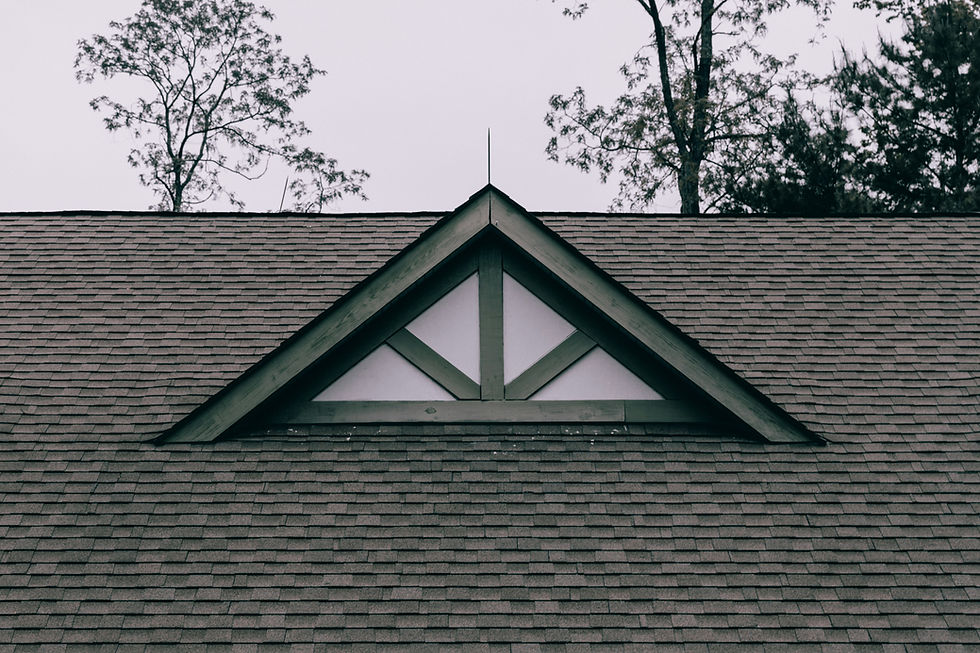
Your roof is one of the most critical parts of your home’s structure, shielding you and your family from the elements day in and day out. Over time, wear and tear from weather, temperature shifts, and age can compromise its ability to protect your home effectively. Knowing when a roof needs to be installed or fully replaced can save you from costly interior repairs and structural damage in the long run. Rather than waiting for obvious leaks or visible holes, attentive homeowners watch for subtle, cumulative signs that indicate a roof is nearing the end of its useful life. We will explore the key indicators that your roof may be due for installation or replacement, so you can make timely decisions that protect your investment and enhance your home’s safety.
Recognizing the Key Indicators
1. Persistent and Expanding Leaks
One of the most unmistakable signs that your roof needs to be installed or replaced is recurring leaks inside your home. Small, isolated stains may suggest minor issues, but persistent or expanding damp spots on ceilings and walls reveal deeper problems. Water entering through the roofing system can travel along rafters or insulation before reaching your living spaces, making it seem like the issue is elsewhere than the roof. If you repeatedly find yourself placing buckets or towels to catch drips after rain, it is a clear sign that the roof’s weatherproofing has been compromised.
Older roofing materials, such as worn shingles, cracked flashing around chimneys and vents, or deteriorated underlayment, create pathways for water intrusion. Left unchecked, these leaks can lead to mold growth, wood rot, and compromised structural integrity. A single wet patch may be repairable, but widespread leakage often indicates that the roofing system’s protective layers have failed, and a comprehensive replacement is necessary to restore full water resistance and safeguard your home's interior. Homeowners noticing these signs should consider contacting roof installation services nearby to ensure timely assessment and reliable solutions.
2. Granule Loss and Shingle Deterioration
Roofing shingles are designed with protective granules that shield the underlying material from ultraviolet rays and weathering. A new roof often sheds granules into your gutters or onto the ground after wind or heavy rain, but an excessive accumulation of granules indicates that the shingles are breaking down. When shingles lose their granules, the asphalt surface beneath becomes exposed, accelerating wear and shortening the roofing material's lifespan. You may also notice shingles that are cracked, curling at the edges, or buckling in certain areas; these are visual cues that the roof is deteriorating.
Curled or brittle shingles indicate that the material has aged and can no longer flex under temperature changes, making them more susceptible to tearing during storms. If your roof is approaching or past its expected service life and shows widespread granule loss and shingle degradation, you’re likely facing the need for full installation of new roofing rather than patchwork repairs. Addressing this early can prevent interior water damage and help maintain your home's overall value and appearance.
3. Sagging Roof Deck or Structural Issues
While some roofing problems are visible from the ground, more serious issues often reveal themselves in the roof’s structure. A sagging roof deck is a significant red flag that warrants immediate attention. Unlike cosmetic issues, sagging indicates that the roof’s support system is compromised, possibly from prolonged water infiltration, rotting wood, or overloaded materials. In severe cases, the entire roof line may appear uneven or droop in sections when viewed from a distance. This type of structural failure cannot be resolved with isolated patching; it often requires removing old roofing materials, reinforcing decking and framing, and installing a new roofing system.
Structural concerns also pose safety risks to home occupants, as weakened supports can collapse under heavy loads such as snow or debris. If you notice any bowing or dipping in your roofline, it is crucial to assess the situation promptly. Replacing the roof and addressing underlying structural issues restores the house's structural integrity, prevents further damage to the rest of the house, and ensures long-term protection against weather and environmental stresses.
4. Age of the Roofing System
No matter how well-maintained, roofing systems have finite lifespans. Most asphalt shingle roofs, which are common in residential construction, typically last between 20 to 25 years. Other materials, such as metal, tile, or slate, may last longer but will still reach a point where replacement becomes necessary. If your roof is nearing the end of its expected service life, age alone is a compelling reason to consider installation or replacement. Older roofs are more prone to issues such as leaks, brittle materials, and reduced performance in severe weather.
Even if there are no glaring signs of damage, proactive replacement can be more cost-effective than waiting for multiple repairs as the roof ages. Homeowners planning to sell their home can also increase market appeal and value by installing a new roof, as buyers often view an aged roof as a major future expense. When a roof nears or exceeds its designed lifespan, scheduling a comprehensive assessment and planning for replacement ahead of failure is a prudent way to safeguard your home’s envelope.
Your roof serves as a guardian for your home, and recognizing the signs that it requires installation or replacement is essential for maintaining a safe, comfortable, and functional living environment. From persistent leaks and granular loss to structural sagging and age-related wear, being proactive about roof health allows you to avoid more significant problems down the line. Whether prompted by storms, rising energy bills, or visual deterioration, a timely replacement can preserve interior spaces, enhance energy efficiency, and protect your home's overall value. Paying attention to these indicators and acting with foresight ensures the longevity of your property and peace of mind for you and your family.


