
Smart Outdoor Lighting: How It Works and Why the Upgrade Is Worth It
- Jun 29
- 3 min read
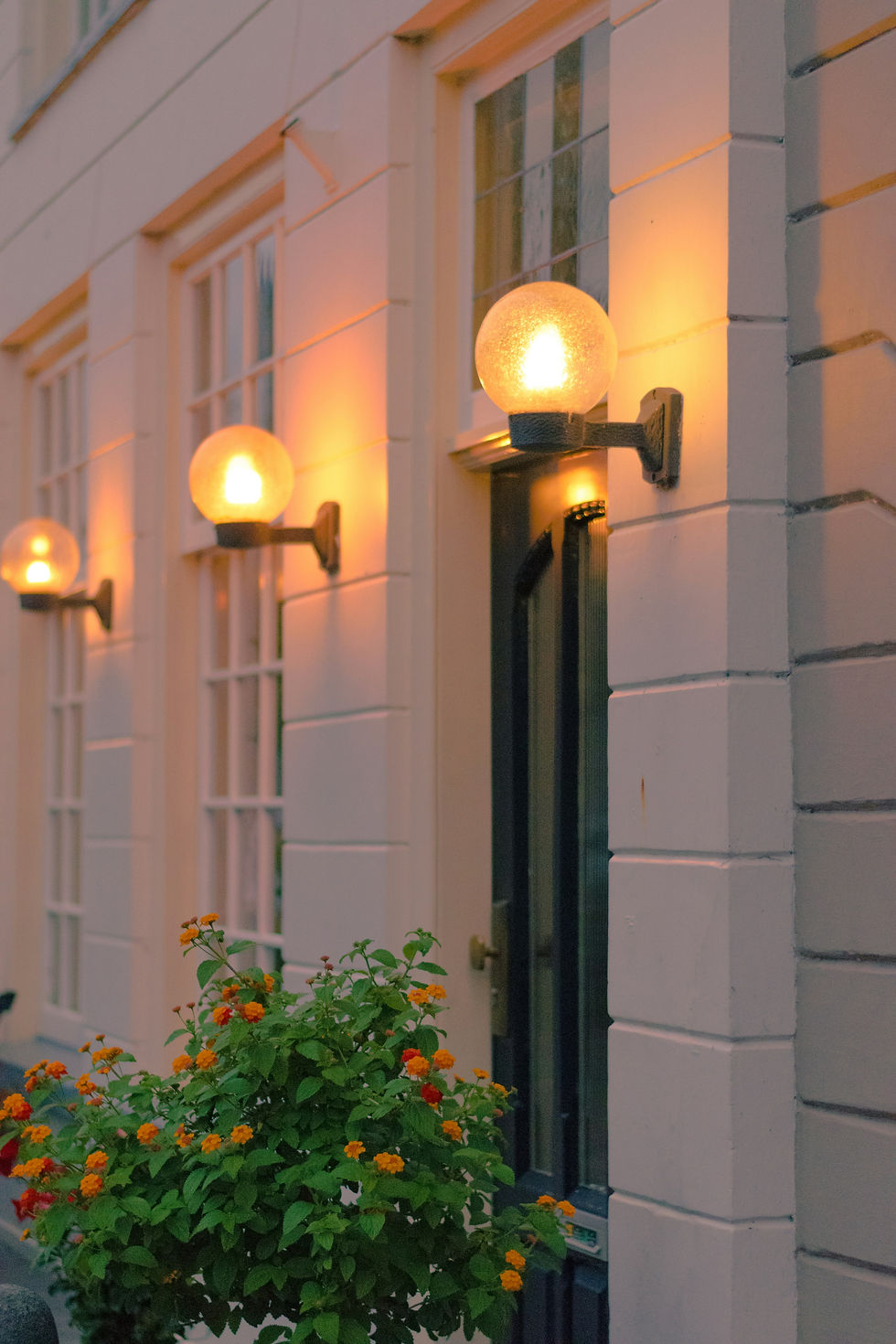
Outdoor lighting controlled by a wall switch operates in binary: it's on or it's off. For many years this was simply the operational reality of exterior lighting, and homeowners worked within that limitation by choosing when to flip the switch and accepting whatever the result was. Smart outdoor lighting changes this relationship entirely, introducing control capabilities that affect not just convenience but the practical usefulness and efficiency of an exterior lighting system.
The term smart lighting covers a range of different technologies and capabilities, and understanding what the category actually includes, what the meaningful differences are between different systems, and what capabilities genuinely change how exterior lighting functions helps homeowners evaluate whether the upgrade makes sense for their specific situation.
Astoria Lighting Co installs smart outdoor lighting systems as a standard component of exterior lighting projects because the control capabilities smart systems provide are relevant to virtually every outdoor lighting application, from simple landscape lighting to complex holiday and architectural systems.
What Smart Outdoor Lighting Actually Controls
The fundamental capability of a smart outdoor lighting system is control over illumination parameters that fixed systems can't adjust: on/off timing, intensity level, and in color-capable systems, the color and color temperature of the light output. These controls can be applied to the whole system simultaneously or to specific zones independently, depending on how the system is configured.
Scheduling allows exterior lighting to follow a programmed daily routine without manual operation. Lights can activate at sunset automatically and adjust through the evening, perhaps dimming to a lower level after a specified time, and deactivating at a set hour overnight. This automation maintains consistent, appropriate exterior lighting without requiring any daily action from the homeowner.
App Control and What It Enables Beyond Convenience
App control is the feature most homeowners associate with smart lighting, and the convenience of adjusting exterior lighting from a phone rather than a wall switch is genuinely useful. But the more significant capabilities enabled by app control go beyond convenience.
Remote access means exterior lighting can be managed from anywhere, which matters during travel. Verifying that exterior lights are operating correctly, adjusting scheduling in response to changing sunset times across seasons, and activating specific zones in response to a notification from a security system are all capabilities that require remote access to be practical.
The ability to create and save scenes, specific lighting configurations for different occasions, allows homeowners to switch between lighting modes appropriate for everyday operation, outdoor entertaining, holiday occasions, and security-focused night operation without reconfiguring the system each time.
Dimming and Its Effect on Lighting Quality
The ability to dim outdoor fixtures is more significant than it might initially appear. Different activities and times of evening benefit from different light levels, and a system that operates at a single fixed intensity is forced to compromise between being bright enough for some purposes and appropriate for others.
Evening outdoor entertaining benefits from warm, moderately bright ambient lighting. Late-night security lighting might run at lower intensity to maintain exterior visibility without the bright commercial appearance of high-intensity fixtures running at full output. Dawn-to-dusk pathway lighting might run at reduced intensity during hours when ambient light levels already provide reasonable visibility.
Dimming capability also provides the option to reduce energy consumption during hours when full intensity isn't needed, which produces meaningful savings on systems that run throughout the night.
Integration With Other Smart Home Systems
Outdoor lighting that integrates with broader smart home systems becomes responsive to inputs from other systems in ways that independent smart lighting can't achieve. Security camera detection triggering specific lighting zones to increase intensity. Door and gate sensors activating entry lighting when someone approaches. Voice assistant control through platforms that residents already use for other home automation.
This integration is where smart outdoor lighting moves from a convenient feature to a genuinely functional component of how a home operates, and the value of that integration compounds as other smart home capabilities expand.
The Longevity Advantage of Professional Smart Systems
Consumer smart lighting products available through home improvement retailers vary significantly in quality and, crucially, in how long they continue to receive software support and remain compatible with control platforms as technology evolves. Professional-grade smart lighting systems installed through companies like Astoria Lighting Co use hardware and control platforms with longer support commitments and more reliable performance over time, which matters for exterior systems expected to remain in service for many years.


