
Smart Planning: How to Start Your Home Construction the Right Way
- Jul 14, 2025
- 8 min read
Updated: Sep 30, 2025
Key Highlights
Grasp the significance of construction drawing management and software tools to streamline your project.
Discover why early planning for home furnishings impacts the overall success of your build.
Navigate essential aspects such as budgeting, finance, and local council regulations for a smooth build process.
Gain insight into the benefits of incorporating sustainability and smart home technologies into your home.
Learn how creating mood boards inspires your design vision and how landscaping completes the look.
Explore where to source the best items from furniture stores in Melbourne.
Introduction
Starting to build a new home can be very exciting. It can also be hard if you do not plan things well. The way you handle project management can help to make your ideas come true. When you build a house, you need to have good plans and tools, like drawing management. If you do not, you may run into problems fast. It does not matter if you are building for the first time or have done many construction projects before. Knowing how everything works makes your job easier. In this blog, we talk about the key steps you and I need to follow if we want a smooth and well-planned home-building story.
Essential Steps for Smart Planning Before Building Your Home
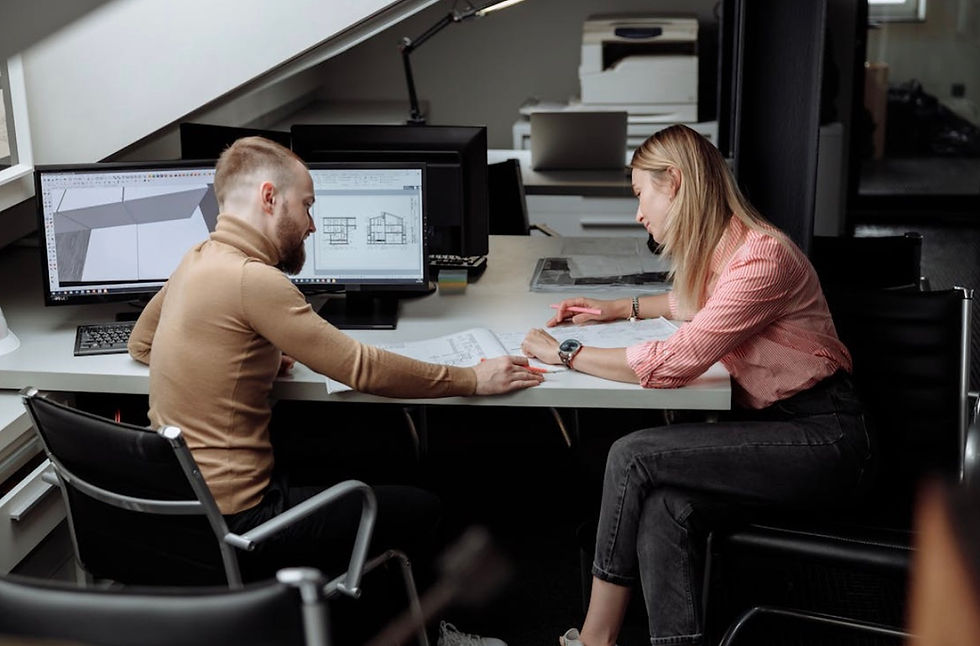
To make sure your home construction project goes well, you need to plan it carefully. Start by knowing your goals. You should make a simple project management system. Get the right stakeholders involved, too, so you do not face costly problems later. Building a home is not just about the materials. It is about mixing construction activities with step-by-step processes.
Careful early planning, like handling drawing management and keeping up with project documents, helps your entire team work together well. Everyone will know what to do and when. Now, let’s see the ten main steps to a good home project.
1. Mastering Construction Drawing Management
For a home construction job to go well, you need the right construction drawing management. Builders, designers, and architects all use clear project drawings so everyone stays on the same page. This is where you want simple and smart drawing management software. It lets your team share and use updated documents in one place.
Key Element | Description |
Document Management | Stores your project data safely so it won't be lost or mixed up. |
Version Control | Let you see the updated drawings as well as past copies anytime. |
Real-Time Access | Works well on mobile devices, so every team member has the latest data. |
When you use the right document management tools, you cut down on mistakes and help your team work better together. It saves time and makes things easier. You want to make sure you get this right. That way, the rest of the steps go smoothly and everyone can do their best work.
2. Visualise the Future: Planning Home Furnishings Early

It is always a good idea to start planning your home furnishings early, even when you first think about building your home. If you match your furniture ideas to the rest of your building plans, you save time and avoid styles that do not fit together. Working with well-known furniture stores in Melbourne can also help this step go more smoothly.
Pick things that show off your personality and fit your way of living.
Make sure the furniture you choose goes well with how the house is built.
Talk with your project team to set the right timelines.
Think about designs that last a long time and can be used in different ways for extra value.
If you involve your project stakeholders early on and talk about the kind of furnishings you want, you make sure that your home plan fits well with how the finished place will look. This makes for better outcomes in your project. It also helps to stop extra and expensive changes later in the year or as the build goes on.
3. Assessing Your Budget and Securing Finance
Budgeting is a key part of any construction project. Start by making a clear money plan that matches your goals. To save time and stay on target, use project management software for your numbers.
Work with your project team to find out where costs might come up, like for materials, worker pay, or permits. Have good project information ready so you do not spend too much. Use document management software to keep these money records safe.
Make sure you have a financing plan that is flexible. This gives you some peace of mind while the project moves ahead. Look at options like bank loans, other ways to get money, and government help. If you prepare well, there will be fewer surprises that can throw your build off course.
4. Choosing the Right Location and Land
The start of a good home is all about picking the right site, and exploring house and land packages can help simplify the process. The right location should fit the way you live and be close to places you need to go. It also has to fit well with what this project needs.
Work with your project stakeholders from the start. They can help check if the land is good, if the soil will hold up, and how easy it is to get to the job site. Having your team members do this full check will help make the job site work go well.
Look out for how your land sits, too. The size and shape of the plot can change things like sunlight, yard space, and parts of the design. If you get these wrong, you will not be happy later on in the project.
5. Defining Your Needs, Lifestyle, and Home Design
Every home should fit what you need. Talk with your project team about your way of life, how many people are in your family, and what you like to see in a house. This will help the home design be easy to use and nice to look at.
Make sure your ideas match with your stakeholders. This helps you change designs for what you want now and for the future. For good teamwork, have the entire team join in, like the architects and the planners.
Change the design so it works for everyone, even if you have many age groups, pets, or you work from home. Know what you want from the start. This will make the design process go smoother, save time, and help you not waste resources.
6. Navigating Local Council Regulations and Permits
You have to follow council regulations before you start any building work. It is important to use a simple system to be sure your construction documents follow the law. This way, you stop any delays from happening.
Work with local people in charge to know about permits, rules for land use, and anything about the environment. Keep your latest drawings and project documents in one safe place with document management software. This will help you stay organised.
Talk to all main stakeholders on time. This helps everyone work together and not make mistakes. It also makes sure you get the right permissions on time. You can keep your project moving and not have things slow down.
7. Exploring Smart Home Technologies
Bringing in smart home technologies helps the home work better and more smoothly. When you add systems that use AI, it makes things easier to keep up and also helps you use less energy. You should talk about the right technology choices with your project stakeholders early in the process.
Project management software can help you plan how to set up things like AI-powered lights, energy controls, and new security tools. If you work well with your general contractors, you can be sure the tech all fits together nicely.
If you make sure your technology can grow with future upgrades, you add value by avoiding lots of changes later. Having homes with good tech is not only simpler to handle but will also make their owners happier overall.
8. Planning for Sustainability and Energy Efficiency
Your home and the way you build it matter for the environment. When you make sustainable choices like using energy-saving options, you save money in the long run.
Use construction management software to help you pick the right materials and ways to build your home. This software lets you check if you are meeting your sustainability goals. Things like solar panels or well-insulated windows can really help your home be more efficient. Every pick, big or small, makes a difference.
When your team members all work together to keep your building process green, every part of the job fits well. By using these eco-friendly steps, you also help raise the value and appeal of your property.
9. Creating a Mood Board for Inspiration
A mood board is a good way to turn your ideas into something real. You can put visuals together that show your favorite color schemes, layouts, and materials.
Mark what inspires you by using pdf annotations. You may also want to try design templates or other tools made to save date information so it is easier to go back and look things up. Use pictures or visuals to show your likes to your design and construction team.
When you share your mood board with the entire project team, you help everyone work together. This lets people suggest new ideas. It also helps everyone get the right look and feel, so you don’t need to make many changes later on.
10. Thinking Ahead: Landscaping and Outdoor Spaces
Landscaping is an important part of getting a nice look for your home. You should plan your outdoor spaces while you plan your building work. That way, you get a smooth and easy change from inside to outside.
When you use smart design, your garden or yard gets style. It matches your home, fits with your life, and shows your taste. Share your project information with the others in your team. This helps everyone work together on the outdoor design and building plans.
By using mobile devices, you can always see updates and news for your project. Set up notifications to let you know about each big step along the way. Good outdoor planning makes your inside and outside spaces blend well and feel right together.
Conclusion
Careful planning is very important when you want to build your dream home. You need to think about your needs, how much money you have, and the rules in your area. This is the best way to set up a strong start for the work ahead. It is good to think about using smart home tools and ideas to save energy and make everything easier. You can use mood boards and plan how you want to set up your things inside early on, as this helps make your ideas clear. Building a home is a big and fun task, but getting ready in the right way matters a lot. If you want advice that fits your plan, get in touch for a free talk to help you get started.
Frequently Asked Questions
1. How long does it typically take to plan a new home build in Australia?
Planning to build a new home in Australia usually takes about 3 to 6 months. The time can be less or more, and it depends on how big or tricky the construction projects will be. If you have organised project information and a good document management system, you can speed things up. Working with design experts and good general contractors also helps things move faster.
2. What common pitfalls should first-time home builders avoid?
First-time home builders sometimes do not plan their budgets well. They may forget important things like drawing management. At times, they do not bring in the right project stakeholders. Good project management can help fix these problems. It lowers mistakes, stops costly rework, and makes sure the project team works well together with the right stakeholders.
You also need to remember to get safety equipment and supplies to ensure you and your team are kept safe throughout the process. At safetysourcellc.com, you can find everything you need, from hand and eye protection to hard hats and high visibility clothing.
3. Can I make changes to my home design during construction?
Yes, you can make changes, but it needs careful planning. It is important to use the latest construction drawings and proper revision control. Good document management helps make changes go smoothly and without problems. Always check updates with submittals and RFIs.
4. What approvals do I need before starting home construction?
You have to get the needed council regulations approval. You must also get all required permits for the project. Make sure your construction documents follow all legal rules. With document management software, you can keep all your project files in order. This helps you share information with your stakeholders. This way, you can start your project without problems by using good document management.


