
The Art of Aging Well: Extending Your Pet's Golden Years

Older pets benefit most from small, thoughtful adjustments that protect their mobility, comfort and everyday enjoyment. Age-related changes may happen slowly, so paying attention to routines often reveals more than waiting for an obvious problem. Regular veterinary care, suitable food and a home arranged around your pet’s changing needs can help make their later years healthier and more fulfilling.
Understanding the Aging Process
Dogs and cats age at different rates depending on their species, breed, size and medical history. A large dog may be considered senior at around 6 or 7 years old, while a smaller dog might reach that stage several years later. Many cats enter their senior years at about age 11, though individual needs vary.
Aging can affect several body systems at once. Joints may become less flexible, senses can weaken and digestion may change. Some pets sleep more or take longer to recover after exercise. Gradual shifts such as hesitation on stairs, increased thirst or reduced interest in grooming deserve attention, even if your pet otherwise seems well.
Keep a simple monthly record of your pet’s weight, appetite, thirst, sleep and activity. Short videos can also capture changes in walking or posture that may be difficult to describe during an appointment. Practical guidance on senior pet support emphasizes watching for changes in mobility, behavior and daily habits.
Avoid dismissing a new behavior as “just old age.” Confusion at night, house-soiling or irritability can have medical causes. Contact your veterinarian when a change lasts more than a few days, develops suddenly or interferes with normal activities. Early assessment often gives you more options for managing discomfort or illness.
Tailored Nutrition for Older Pets
Start with a veterinary review before changing your senior pet’s food. Older animals don’t all need the same diet. One pet may require fewer calories because activity has dropped, while another may need more appealing, energy-dense food to maintain a healthy weight. Medical conditions can also affect the recommended levels of protein, phosphorus, fiber and fat.
Measure each meal instead of estimating portions. Even a small daily excess can cause gradual weight gain, placing more pressure on aging joints. Check your pet’s body shape every few weeks. You should generally be able to feel the ribs beneath a thin layer of tissue, with a visible waist when viewed from above. Your veterinarian can show you how to use a body condition score.
The advice in these senior dog nutrition tips covers portion control and the value of adjusting meals as energy needs change. Broader senior pet nutrition guidelines also explain why hydration and nutrient balance require closer attention later in life.
Introduce a new food over seven to ten days unless your veterinarian gives different instructions. Mix increasing amounts of the new food into the previous diet while watching for vomiting, loose stools or reduced appetite. Fresh water should remain easy to reach, and some pets benefit from several bowls placed around the home.
Gentle Exercise and Mental Enrichment
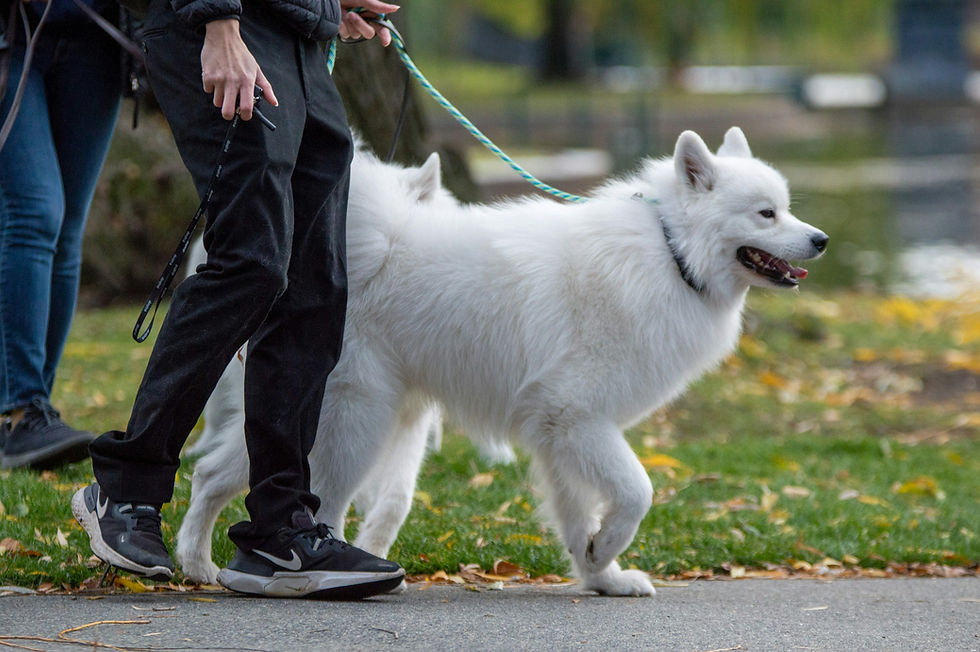
Keep older pets active at a level they can manage comfortably. Consistent, low-impact movement supports muscle strength and joint function while giving your pet a reason to explore. For a senior dog, two 10-minute walks may be easier than one long outing. An older cat may prefer a short play session with a wand toy followed by a rest.
Watch how your pet feels during the hours after activity. Heavy panting, limping, stiffness or reluctance to move the next morning suggests the session was too demanding. On difficult days, replace distance with gentle sniffing games, slow indoor movement or a few minutes of supervised play on a nonslip surface.
Mental enrichment deserves equal attention. Hide small portions of food in easy-to-find places, rotate familiar toys or teach a simple cue using short sessions. Food puzzles should be stable and uncomplicated enough to prevent frustration. Pets with reduced vision may respond well to scent-based activities, while those with hearing loss can learn hand signals.
As care needs change, unexpected veterinary expenses can become part of the planning process. Owners comparing ways to manage eligible costs may want to review Purely Pets senior pet insurance, which offers multiple levels of lifetime cover for older dogs and cats. Check policy terms, exclusions and limits closely, especially for pre-existing conditions.
Proactive Health Planning Matters
Arrange senior wellness visits at the frequency your veterinarian recommends. Many clinics suggest examinations every six months for older pets because health can change faster at this stage. These appointments allow the veterinary team to track weight, listen to the heart and lungs, examine the mouth and assess joints before a concern becomes disruptive.
Ask what screening makes sense for your pet’s age and history. Blood work and urine testing may identify changes involving the kidneys, liver, blood sugar or thyroid. Dental checks also matter because painful teeth can cause subtle signs such as slower eating, dropping food or avoiding harder treats.
Prepare a short list before each visit:
Changes in appetite, thirst or bathroom habits
New lumps, coughing or unusual odors
Difficulty standing, climbing or settling down
Altered sleep, grooming or social behavior
Current foods, treats and supplements
Bring exact product names and doses, including anything bought without a prescription. Supplements can interact with medication or provide inappropriate nutrient levels, so your veterinarian should review them.
Good planning also includes knowing where to seek help outside normal clinic hours and how you would transport a pet with limited mobility. Save the emergency clinic’s number and keep a sturdy carrier or supportive towel nearby. Advice on senior dog quality of life can help you assess comfort across movement, appetite and social engagement. A weekly note about good and difficult days may reveal patterns that memory alone misses.
Creating a Comfortable Home Environment
Adjust the home as soon as you notice hesitation or slipping. Place nonslip runners across smooth floors and secure them so the edges don’t curl. A ramp or low step can make a favorite couch easier to reach, though it should have a grippy surface and a gentle incline. Block access to steep stairs if balance has become unreliable.
Choose a supportive bed with enough room for your pet to stretch and turn. Position it away from drafts and busy walkways, but keep it close enough to family activity that your pet doesn’t feel isolated. Older pets often appreciate more than one resting place because they may tire while moving between rooms.
Food, water and bathroom areas should also be easy to use. Cats may need a litter box with a low entrance, especially if arthritis affects their hips or knees. Dogs with reduced bladder control may need more frequent outdoor breaks and a clear, well-lit route to the door. Keep furniture placement consistent for pets with declining eyesight.
Pay attention to temperature. Senior animals can be less tolerant of heat and cold, so provide warm bedding during cooler weather and a shaded, ventilated resting area when it’s hot. Groom gently and inspect the skin, paws and nails during each session. Long nails can affect balance, while hidden mats may pull painfully on fragile skin.
The most useful changes often solve one specific difficulty. A runner beside the bed, a lower litter box or an extra water bowl can restore a familiar part of the day. When your pet can still reach a sunny resting spot, enjoy a favorite scent and settle comfortably near you, the home continues to support the routines that make their golden years feel secure.


