
The Cream Named After a Number, Not an Ingredient
- Jul 20
- 6 min read
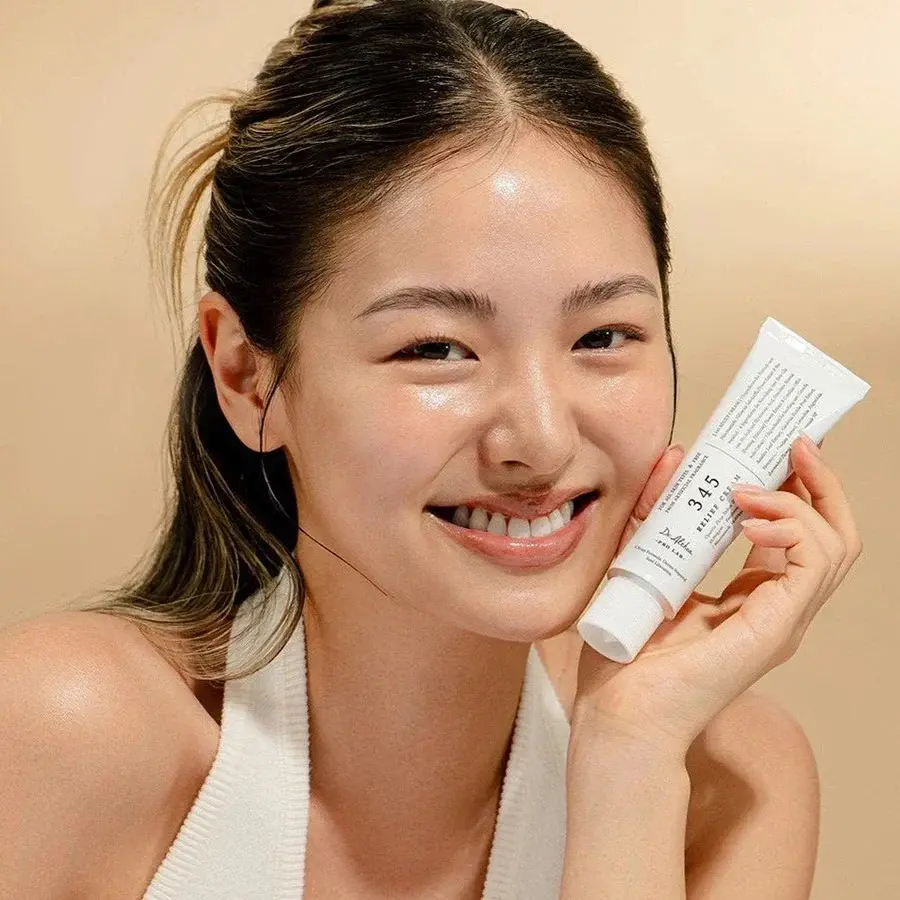
Most skincare products are named to sell a story. A percentage on the label, a fruit in the title, a borrowed scientific term meant to sound impressive. The Dr. Althea 345 Relief Cream took a different route entirely, built around a plain numerical name that gives away almost nothing about what is actually inside the jar. That restraint has not hurt the product's popularity in the slightest. It has become one of the most consistently recommended calming creams in Korean skincare, discussed in the same breath as far more elaborately marketed alternatives.
A Brand Built Around Personalised Skincare
Dr. Althea entered the market with an approach that was relatively unusual at the time, built around skin diagnostic questionnaires intended to match individual skin concerns to specific formulations rather than selling one product as a universal solution. That diagnostic first mindset carried over into the brand's core skincare line, which tends to favour a small number of carefully dosed ingredients over the long, crowded ingredient lists common elsewhere in the category. The 345 Relief Cream sits within that philosophy, positioned specifically for reactive, easily irritated skin rather than marketed as a general purpose moisturiser for every skin type at once.
What the Name Is Actually Getting At
While Dr. Althea has never widely publicised an exact explanation for the name, the numerical branding fits the brand's broader emphasis on formulation precision over ingredient storytelling, treating the product more like a considered formula than a trend driven launch. In practice, what matters more to most users is what the cream actually contains: a calming, barrier supporting blend built around centella asiatica and ceramides, designed to soothe redness and reinforce compromised skin rather than deliver a dramatic, visible transformation. That understated approach is very much in keeping with a brand that chose a number over a marketing buzzword for its most popular product.
What Sets This Cream Apart From Other Calming Formulas
The Dr. Althea 345 Relief Cream leans on a relatively rich, cushioning texture, heavier than many centella based gels or lightweight lotions in the same general category. That texture is a deliberate choice
rather than an oversight. Skin that is actively irritated tends to need a stronger occlusive layer to reduce water loss while the barrier recovers, which a thinner, faster absorbing formula is less equipped to provide. Reviewers frequently describe the cream as feeling almost balm like on application, settling into a more comfortable, less heavy finish after a few minutes, a texture profile that has made it a particular favourite for use overnight or during flare ups rather than purely as a daily lightweight moisturiser.
How This Compares to Other Popular Calming Creams
Anyone who has already explored heartleaf based calming toners will recognise the general goal here, reducing redness and supporting a compromised barrier, even though the two products work through slightly different formulation approaches. A heartleaf toner tends to be lighter and more focused on delivering a single calming extract early in a routine, while a centella and ceramide based relief cream like this one is built to be richer and more occlusive, better suited to sealing in moisture and calming ingredients as a final step rather than an early, watery layer. Many routines built around sensitive or reactive skin use both together, a calming toner immediately after cleansing followed by a richer relief cream as the last step, rather than treating either as a standalone solution.
When This Type of Cream Earns Its Place
A rich relief cream like this is not necessarily something every skin type needs daily, and dermatologists generally frame it as most valuable during periods of active irritation rather than as a permanent fixture for skin that is currently calm and well tolerated. Weather changes, over exfoliation, a reaction to a new product, or general environmental stress such as travel are all common triggers where reaching for a dedicated relief cream makes sense, used alongside a simplified routine until the skin has settled. Skin that runs consistently dry or sensitive may reasonably use it as a nightly staple rather than an occasional rescue product, since the barrier support it offers tends to benefit that skin type on an ongoing basis rather than only during flare ups.
How to Apply It for Best Results
Application is straightforward: a generous layer applied as the final step of an evening routine, after any serums or treatment products, allowing the richer texture to seal in whatever has been applied underneath. Because the formula is built around calming rather than active exfoliating ingredients, it layers safely underneath most other skincare steps without the frequency restrictions that apply to acid or retinoid based products. During particularly reactive periods, some users apply an extra layer specifically over areas of visible redness or flaking, treating it almost like a targeted spot treatment rather than spreading it evenly across the whole face.
Why Centella and Ceramides Work Well Together
The combination of centella asiatica and ceramides is not accidental, and understanding why the two are so often paired helps explain why this cream performs the way it does. Centella has a long history in wound healing and calming irritated skin, with research pointing to compounds that support collagen production and reduce inflammatory signalling at the skin's surface. Ceramides, on the other hand, address the structural side of the equation, replenishing the lipids that hold skin cells together and prevent water loss through a compromised barrier. Used separately, each ingredient addresses only part of the problem that reactive, irritated skin typically presents. Centella calms the visible symptoms while ceramides rebuild the underlying structure that allowed the irritation to take hold in the first place, which is why formulas combining both tend to outperform single ingredient alternatives for genuinely compromised skin rather than mild, occasional sensitivity.
What to Check Before Trying a Relief Cream Like This
Given how crowded the calming skincare category has become, it is worth knowing what actually separates a well formulated relief cream from one riding purely on soothing sounding marketing language. Concentration and position on the ingredient list matter considerably more than whether a calming ingredient is present at all, since even a trace amount of centella technically qualifies a product to use the word on its packaging. A cream that lists centella or ceramides within the first half of its ingredient list is generally delivering a more meaningful concentration than one where the same ingredients appear near the bottom, diluted among dozens of other components. Texture is also a reasonably reliable indicator: products genuinely built around barrier repair tend to feel noticeably richer and more occlusive than lightweight gels marketed primarily on a calming ingredient name alone.
Who Should Be Cautious
Because the formula is richer than a typical lightweight moisturiser, those with very oily or acne prone skin may find it too heavy for regular daytime use, and might prefer reserving it for evenings or periods of active irritation rather than as a everyday base layer. As with any new skincare product, patch testing on the inner wrist or jaw before applying to the full face remains sensible practice, particularly for anyone with a history of reacting to rich, occlusive textures or specific botanical extracts.
Why This Kind of Restraint Is Rare in Marketing
There is something worth noting in a brand choosing a plain number over a more evocative product name, particularly in a category where ingredient storytelling usually drives purchasing decisions more than formulation quality itself. That restraint tends to signal a company more confident in repeat performance than in a single compelling launch narrative, betting that consistent results will build word of mouth over time rather than relying on a catchy name to drive first time purchases. Whether or not that was the exact reasoning behind naming this specific cream, it fits a pattern seen across several of Dr. Althea's most enduring products, favouring understatement over hype at a stage in a brand's growth where many competitors lean the opposite direction entirely.
Where to Learn More and Where to Buy
For a deeper look at building a full routine around reactive, easily irritated skin rather than just this single product, Glow House has put together a dedicated guide on Korean skincare for sensitive skin, covering how to layer calming ingredients like the ones discussed here without overwhelming an already reactive complexion.


