
The Layers of Liability That Build Up Behind Every Construction Injury Case
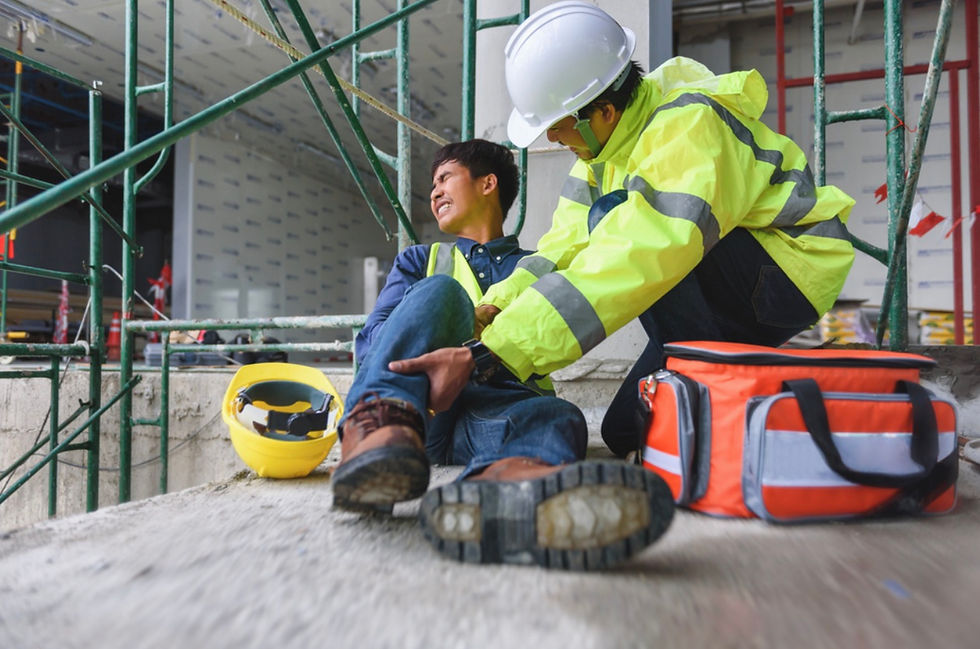
A construction site may look organized from a distance, but responsibility on that site rarely moves in a straight line. One decision connects to another, and small oversights begin to stack in ways that are not always visible at first. An injury is not just the result of one mistake, it forms through a series of actions that slowly build pressure behind the scenes.
According to lawyers at Washor Kool Sosa Maiorana & Schwartz, LLP collecting medical records early can improve the chances of a fair settlement. That idea reflects a deeper truth, every detail matters, and this discussion brings that layered structure into clear focus.
The Structure Beneath a Construction Injury
The Core Roles That Shape Responsibility
Every construction project operates through different levels of control, and each level carries its own share of responsibility. Property owners influence how the site is planned and approved, setting the base for how work will move forward. General contractors take charge of daily operations and ensure that different teams follow a steady flow of work. Subcontractors step in to handle specific tasks, and their work directly affects how safe or risky the environment becomes.
These roles do not work in isolation, they overlap and connect in ways that shape the final condition of the site. Responsibility moves between them based on who had control at a particular stage and how decisions were carried out in real conditions.
The Build Up of Overlapping Decisions
Liability does not appear all at once, it builds through layers of decisions that start to overlap over time. A safety plan may be approved at the start, but its real impact depends on how well it is followed during daily work. A hazard may be noticed early, yet it might not be fixed quickly, allowing risk to grow.
These gaps between planning and action create a chain of responsibility that spreads across different parties. Each missed step adds another layer, making the situation more complex. This is why construction injury cases often require a detailed review, because the cause is rarely tied to one action alone.
External Influence on Site Conditions
Construction sites are shaped not only by the main teams but also by outside factors that play a role in daily operations. Equipment suppliers, material providers, and service vendors all contribute to how the site functions. A defective tool or a delayed delivery can create unexpected risks that affect safety.
These external elements add new layers of responsibility because they introduce additional points where things can go wrong. The more parties involved, the more detailed the legal evaluation becomes. Each contribution must be examined carefully to understand how it influenced the final outcome.
The Legal Weight Behind Layered Responsibility
Evidence That Reveals the Full Picture
Understanding liability depends on how clearly the events are recorded and presented. Construction sites generate many forms of documentation, including inspection logs, maintenance records, and daily reports. These records help trace how conditions developed over time and show whether safety measures were followed properly.
Witness accounts provide further insight into how tasks were handled and how risks were managed during the project. Expert evaluation connects all these details into a structured explanation, making it easier to see how different actions led to the injury. Each piece of evidence adds clarity and strengthens the overall claim.
Distribution of Fault Across Parties
Responsibility in construction injury cases is often shared across multiple parties, and the level of fault depends on involvement and control. A party that had the authority to fix a problem but failed to act may carry more weight. Others who contributed to the unsafe condition may also be held accountable. This distribution is not always equal, as it depends on how each role influenced the situation.
The process requires careful examination of actions and decisions at every stage. It’s recommended to contact professionals early, such as lawyers at Washor Kool Sosa Maiorana & Schwartz, LLP to ensure that each layer of responsibility is properly addressed and clearly presented.
Closing Perspective
Construction injury cases are built on layers that develop over time rather than a single moment. Each role, each decision, and each missed correction adds to the final structure of liability. These layers often remain hidden until a closer review brings them to light, showing how responsibility is shared across the entire project.
Recognizing this pattern helps bring clarity to situations that may seem simple at first but are deeply connected beneath the surface.


