
The Longest Nerve in Your Body Has Its Own Tech Now
- Jul 13
- 5 min read
Understanding How Vagus Nerve Stimulation Is Becoming More Accessible
In the human body a large-scale network of nerves serves to send messages between the brain and various organs. Of them, the vagus nerve is the standout. Also called the body's "information highway", the vagus nerve runs from the brainstem through the neck and into the chest and the abdomen, which it in turn connects to the heart, the lungs, the digestive system and a few other organs. Also, because of the wide range of its travel, the vagus nerve plays a key role in the regulation of many automatic body functions.
In the past few years medical technology has seen great progress, which in turn has enabled use of that key nerve via special stimulation devices. What was at that time available only in very controlled clinical settings has over time expanded into more accessible technologies. As health and wellness issues, stress management, and nervous system health become more of a focus, many people are just now getting into what these devices do and what they are put out to achieve.
What Is the Vagus Nerve?
The vagus nerve is a part of the 10th cranial pair and is also the main element of the parasympathetic nervous system, which in turn is in charge of the body's “rest and digest” functions, which include regulation of heart rate, breathing, digestion, and also what the body does to return to normal after stress.
Unlike other nerves which function in a regional capacity, the vagus nerve has a bodywide presence. It is a constant line of communication from brain to body, which in turn works to support homeostasis. Also, because of its far-reaching influence, researchers have put in many years of study into the vagus nerve to improve knowledge of its role in health and disease.
What Is Vagus Nerve Stimulation?
Vagus nerve stimulation, which is also known as VNS, is a method of delivering controlled electrical impulses to the vagus nerve. This procedure in turn puts into action certain nerve paths which in turn talk to the brain and other body parts.
The early versions of VNS were devices which had to be surgically implanted and which were for certain neurological conditions that would today be considered to be in a supervised medical setting. As time went on, progress in engineering brought about the creation of non-invasive tech, which in turn developed methods of external skin stimulation of the nerves, at which point the surgical element was done away with in many uses.
Today a large increase of interest in vagus nerve stimulator technology exists as researchers investigate more fields in which it may have beneficial use.
How Does the Technology Work?
Although design structures may differ, in most present-day stimulation devices low-level electrical pulses get delivered via contact points which get placed on that which the vagus nerve branches to, which access is relatively easy for, for example, the neck or outer ear.
The stimulation is varied by adjustment of such factors as the following:
Pulse frequency
Intensity
Duration
Timing of stimulation
These electrical impulses, which in turn interact with sensory nerve fibres that report to parts of the brain which regulate autonomic functions. That which different stimulation patterns do in terms of physiological response is still under research, which is why this is very much an active field of scientific study.
Importantly, stimulation levels get set within very tight safety parameters for each use of the device.
From Hospitals to Consumer Technology
For a long time vagus nerve stimulation was a speciality medical treatment. Implantable systems which required surgery were also a rarity and were left for the use of patients that were under a physician’s care.
Technological advancements which have greatly expanded the field. In this, the introduction of small-scale electronics, rechargeable batteries, wireless connection, and improved stimulation methods has produced portable and non-invasive devices.
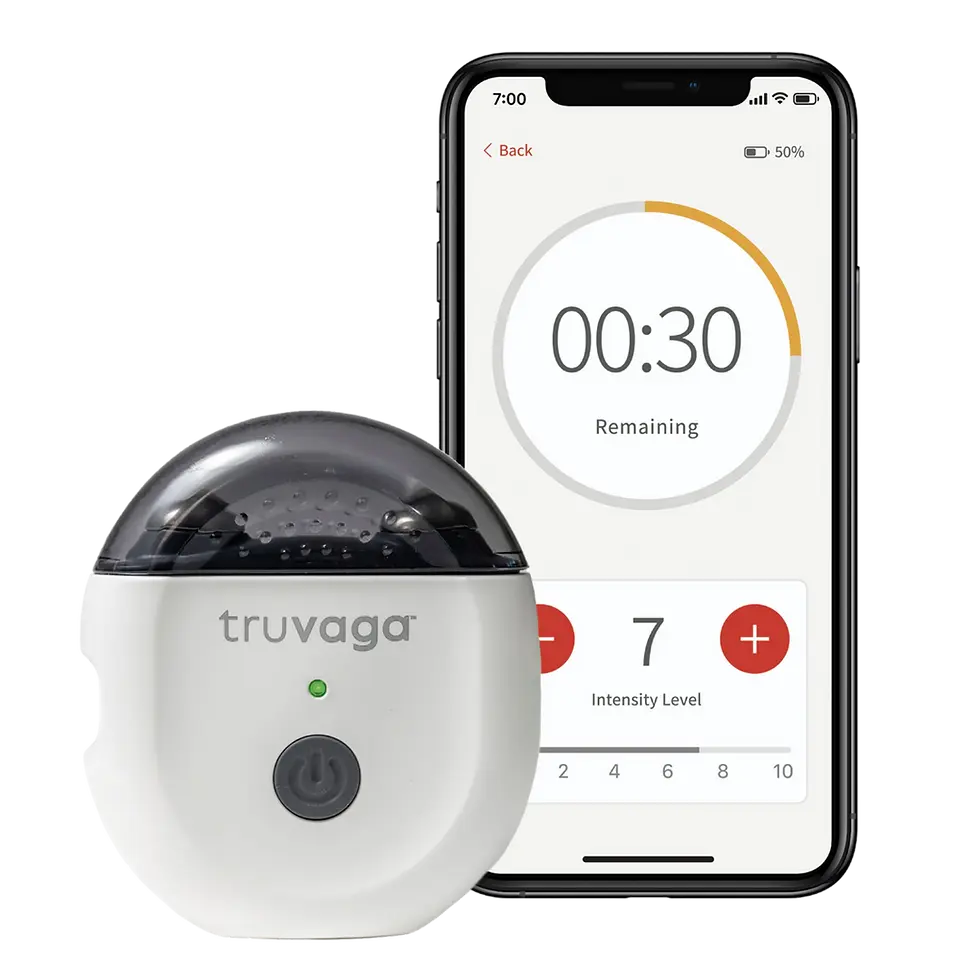
As of now products like the Truvaga vagus nerve stimulator are a part of a larger trend, which is that of making neuromodulation technology available to more people beyond the 4 walls of the traditional clinical setting in which it is used, all while remaining within acceptable regulatory parameters.
This growth in interest is in wearables, which enable people to pay more attention to total well-being.
Why Is There So Much Interest?
Several issues have played a role in the public’s awareness of vagus nerve stimulation.
In part, a greater awareness exists of the role the autonomic nervous system plays in day-to-day health issues. Research into the autonomic nervous system's part in fields like sleep, recovery, emotional health, and stress response continues to grow.
Also in play is the wide adoption of health tech. Consumers are into wearables which track heart rate, sleep quality, physical activity, and breathing patterns. Also, growth has occurred in technologies which interface with the body’s systems as opposed to just which report on them.
Ongoing science is also reporting back what remains unknown about the nervous system, which in turn is stimulating research into how neuromodulation may be used in the development of new health care solutions.
Current Areas of Research
Scientists are looking into what wide-scale medical and wellness-related issues may be affected by vagus nerve stimulation. In different studies they are looking at which body systems’ communication is improved by controlled stimulation.
Current investigations include areas such as the following:
Nervous system regulation
Stress response
Sleep-related research
Cognitive performance
Cardiovascular function
Digestive system activity
Recovery following physical or mental exertion
In many reports very good results appear, but it is also true that results of research are a function of many variables, which include the type of device used, the stimulation protocol, and the intended purpose. A great deal of clinical research is still needed to determine what is really effective and which is the best application.
Safety and Professional Guidance
Like for any other body which a technology interfaces with, vagus nerve stimulation should be used as per the manufacturers’ instructions and health care guidance.
Individuals which have electronic medical devices implanted in them, certain heart conditions, or other health issues should get an evaluation from qualified healthcare providers before use of stimulation technologies. This also serves as a chance to rule out any contraindications which may be present for a given individual.
Consumers also must know that wellness devices do not purport to diagnose, treat, cure, or prevent disease until the agencies which regulate them have given that go-ahead.
The Future of Neuromodulation Technology
The field of neuromodulation is in a state of rapid growth. Researchers report on an in-depth study of personal stimulation methods, improved sensor integration, and artificial intelligence, which is playing a large role in fine-tuning and also in the analysis of how each individual’s nervous system responds.
As technology progresses in the field, what is to come will be even more adaptive, which in turn will have stimulation respond to physiological signals in real time. Also to be seen is the growth of a collaborative effort between neuroscientists, engineers, physicians, and tech developers which will in turn shape the future of non-invasive nerve stimulation solutions.
Conclusion
The vagus nerve is known to be the body’s primary method of communication, which extends from the brain to many important organs and which plays a role in many automatic functions. In terms of technology, vagus nerve stimulation has transformed from a specialized clinical procedure into an extensive field of accessible treatment options.
Although at present research is still in progress, which of these devices is to show the breakthrough between neuroscience and consumer health tech? As science's understanding improves, so too does the chance that vagus nerve stimulation will play a key role in how health management and support of the nervous system proceeds at the hands of well-developed, evidence-based innovations.


