
The Modern Homeowner’s Guide to Avoiding Blocked Sink Disasters
- Jun 29
- 5 min read
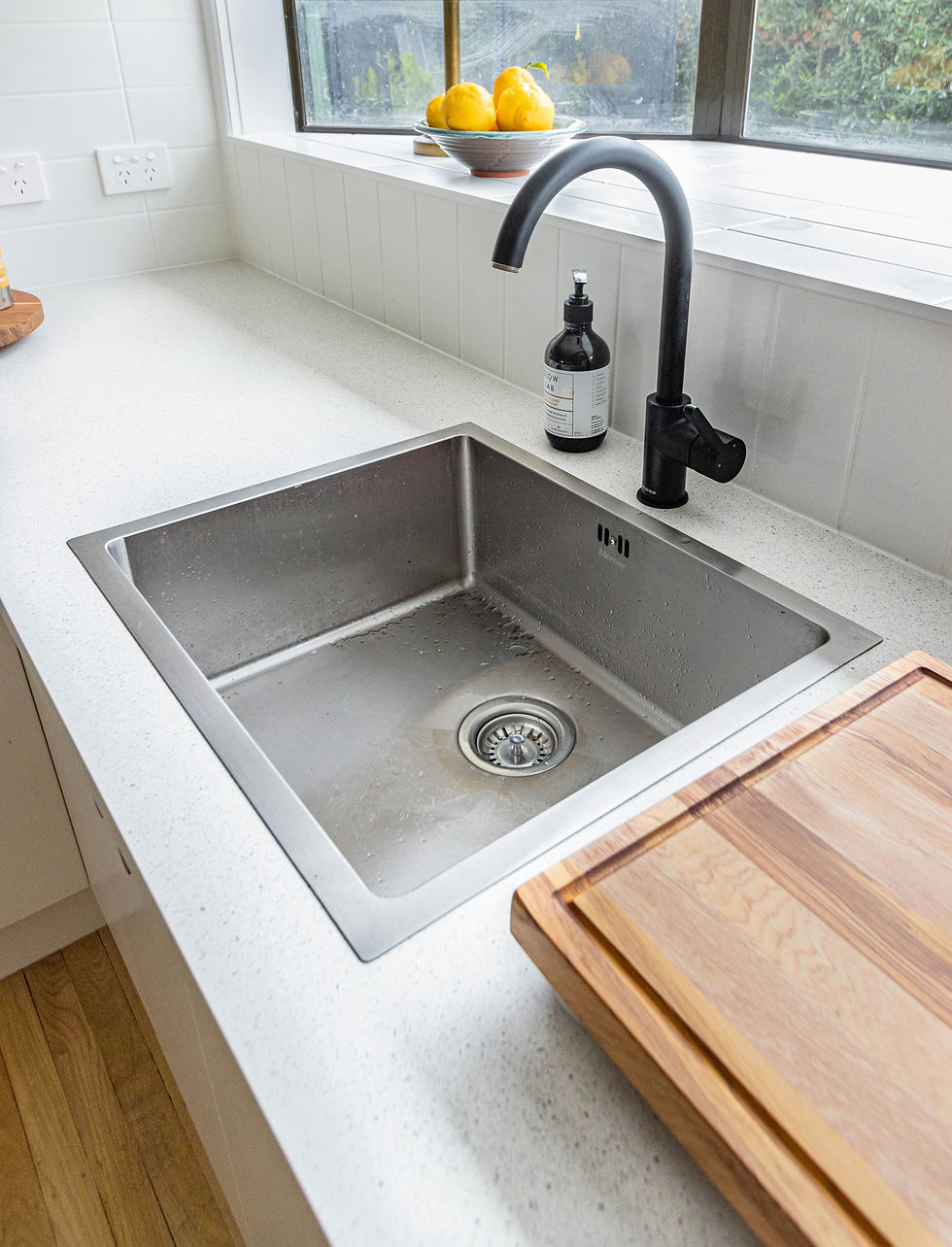
A blocked sink rarely announces itself with much drama. It starts with a slow swirl of water, a faint gurgle, maybe an unpleasant smell you can’t quite place. Then one evening, while you’re washing up or brushing your teeth, the basin simply refuses to drain. What looked like a minor nuisance turns into a messy, inconvenient problem.
The good news? Most blocked sink disasters are preventable. Modern homeowners don’t need specialist knowledge to reduce the risk; they just need a better understanding of what causes blockages, what early warning signs look like, and when a simple fix stops being enough.
Why blocked sinks happen more often than people think
Kitchen and bathroom sinks deal with far more abuse than we tend to admit. In kitchens, grease, oil, coffee grounds, starch, and food scraps gradually coat the inside of pipes. In bathrooms, hair, soap residue, shaving foam, toothpaste, and cosmetic products combine into stubborn clogs that build slowly over time.
The problem is rarely one dramatic event. It’s usually the result of repetition. A little oil rinsed away after cooking. A few strands of hair every morning. Soap scum settling where water flow has already slowed. Over weeks or months, that buildup narrows the pipe until drainage becomes unreliable.
Older properties can be especially vulnerable. Narrower pipework, small design flaws, and years of accumulated residue all make blockages more likely. But newer homes aren’t immune either. In fact, modern households often put more strain on drainage systems because kitchens and bathrooms are used more intensively, with a wider range of products going down the plughole.
The early signs homeowners should never ignore
A blocked sink disaster is easier to prevent than to reverse. That’s why paying attention to small changes matters.
Slow drainage is the first clue
If water starts taking longer than usual to drain, don’t wait for it to “sort itself out.” Slow drainage is often the first visible sign that material is collecting inside the pipe.
Unpleasant smells usually point to buildup
A sour or stale odour coming from the sink often means organic matter is trapped somewhere in the waste line. In kitchen sinks, that usually means food residue and grease. In bathrooms, it’s often hair and soap.
Gurgling sounds mean trapped air
When pipes begin to clog, water movement becomes uneven. That can create bubbling or gurgling noises as air struggles to escape. It’s easy to dismiss, but it often signals a developing obstruction.
If those issues keep returning even after basic cleaning, it may be time to look beyond DIY solutions and consider professional sink drainage repair support to identify deeper or recurring drainage problems. Persistent blockages often indicate buildup farther along the system, or in some cases, issues with the pipe layout itself.
Smart prevention habits that actually work
Homeowners often think prevention means buying stronger chemical cleaners. In reality, daily habits matter far more than aggressive products.
In the kitchen, think beyond the plughole
Grease is one of the biggest culprits. It may go down the sink as a liquid, but it cools and solidifies inside the pipe. Over time, it traps everything else passing through.
A few simple habits make a real difference:
Let oils and fats cool, then dispose of them in the bin rather than rinsing them away
Use a sink strainer to catch food scraps
Avoid putting coffee grounds, rice, pasta, or fibrous peelings down the drain
Flush the sink regularly with hot water after heavy use
These steps seem small, but they dramatically reduce the rate of buildup.
In the bathroom, catch hair before it enters the drain
Hair is the main offender in bathroom sinks. Once it binds with soap residue, it forms dense clumps that ordinary rinsing won’t move. A simple drain guard is one of the most effective low-cost fixes available.
It also helps to clean the plug area regularly. Many bathroom blockages start right under the visible drain cover, where debris collects quietly until water flow slows.
What to do when a blockage starts forming
Not every blockage requires a call-out. If the problem is minor and recent, a few safe first steps can help.
Start with mechanical, not chemical, solutions
A plunger, drain snake, or removal and cleaning of the trap under the sink will often solve the issue without damaging the pipe. These methods target the physical obstruction rather than just trying to dissolve it.
Chemical drain cleaners should be used cautiously. They can be harsh on older pipes, unpleasant to handle, and often provide only temporary relief. If a clog keeps coming back, repeated chemical use may do more harm than good while failing to fix the actual cause.
Try hot water and washing-up liquid for grease-related slowdowns
In kitchen sinks, hot water combined with a small amount of washing-up liquid can help loosen fresh greasy residue. It won’t clear a severe blockage, but it can improve flow if the buildup is still light.
The key is acting early. Once a blockage becomes dense or compacted, home remedies become far less effective.
When DIY stops being sensible
There’s a point where persistence becomes counterproductive. If the sink backs up repeatedly, affects more than one fixture, or produces foul smells that return quickly, the issue may extend beyond the immediate waste pipe.
Watch for these red flags
Recurring sink blockages can point to:
Deeper pipe obstructions
The clog may be farther down the line than standard tools can reach.
Structural drainage issues
Poor pipe gradients, partial collapses, or misaligned joints can cause waste to collect repeatedly.
Wider system problems
If multiple drains are slow at once, the issue may involve the main drainage line rather than one sink alone.
That’s when expertise matters most. A proper diagnosis can save time, prevent water damage, and stop a simple blockage from becoming a much larger repair.
A modern approach to an old household problem
Blocked sinks aren’t glamorous, but they are one of the most common and disruptive issues homeowners face. The modern approach is less about reacting in panic and more about building smarter habits: noticing early signs, keeping the wrong materials out of the drain, and responding before a slow sink turns into a flooded one.
In most homes, prevention is refreshingly unremarkable. It looks like using a strainer, binning grease, clearing hair, and not ignoring that faint gurgle. Small actions, repeated consistently, are what keep drainage systems working properly.
And when those measures aren’t enough, recognising the moment to stop experimenting and get the problem assessed is just as important. A blocked sink may start small, but handled well, it doesn’t have to become a disaster.


