
The Overlooked Role of Gutters in Smart Home Design
- Aug 12
- 5 min read
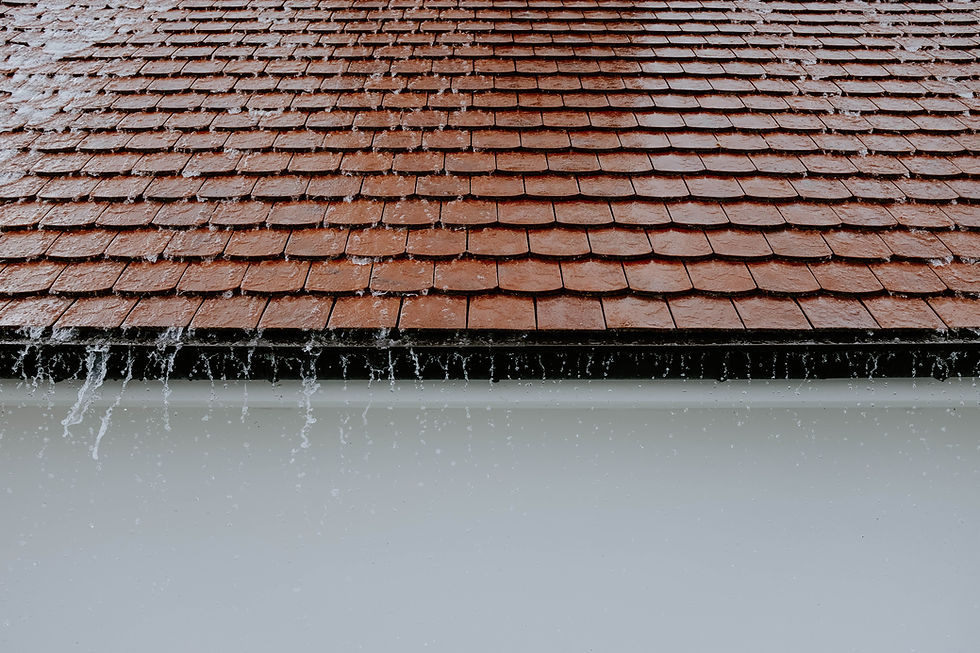
When you think about home design, gutters probably don’t make your top-five list. Fair enough. They sit at the roofline, do their job quietly, and rarely get the spotlight that kitchens, flooring, or paint colors enjoy. Still, if you care about curb appeal, long-term maintenance, and protecting your investment, gutters deserve a closer look. A well-designed home isn’t only about what looks good in photos. It also needs systems that work hard when the weather turns messy.
Gutters Do More Than Keep Rain Off Your Head
You might think of gutters as a simple channel for rainwater, but their role is much bigger. They direct water away from your roof, siding, windows, doors, and foundation. Without that drainage path, water can pool in places it absolutely shouldn’t.
That can lead to issues like:
- Soil erosion around your home
- Foundation cracks from repeated water exposure
- Basement moisture problems
- Rotting fascia boards
- Stained siding and masonry
If you’ve ever seen muddy trenches around a house after a storm, you’ve seen poor drainage in action. It’s not dramatic like a roof collapse, but it’s the kind of slow damage that drains your budget over time. Home design works best when beauty and function stop acting like distant cousins.
Good Gutter Design Supports the Entire Exterior
A gutter system should match your home’s architecture and water-management needs. That means size, shape, material, and downspout placement all matter. A sleek modern home may look better with clean-lined gutters, while a traditional house might suit a more classic profile.
Performance comes first, though. A dramatic roofline or large square footage can dump a surprising amount of water during one heavy storm. If your system is undersized, it can overflow even when it looks perfectly fine from the driveway.
When homeowners evaluate exterior upgrades, companies such as AMS Gutters often come up in the conversation because gutter installation is less about decoration and more about matching a drainage system to the actual structure. It’s practical design, not just trim at the edge of the roof.
Material Choices Affect Cost, Appearance, and Maintenance
Not all gutters are built the same, and the material you choose changes the equation. Aluminum is a common favorite because it’s lightweight, rust-resistant, and available in many colors. Copper has serious visual appeal and ages with character, though the price tag can make you blink twice.
Vinyl is cheaper up front, but it may not handle extreme weather as well over time. Steel is strong, though it can be vulnerable to rust if not maintained properly. Seamless gutters are also worth attention because they reduce the number of joints where leaks tend to develop.
If you’re balancing design and durability, think about your climate, the style of your home, and how much maintenance you’re realistically willing to handle. A material that looks amazing but demands constant upkeep can become a very expensive personality trait.
Poor Gutter Placement Can Undermine Great Landscaping
You can spend thousands on landscaping and still watch it get torn up by runoff. When gutters dump water too close to the house, flower beds wash out, mulch migrates across the yard, and grass turns patchy or swampy. It’s a rough ending for an otherwise polished exterior.
Downspouts need to send water far enough away to prevent pooling. Extensions, splash blocks, and underground drainage solutions may all be useful depending on your lot and grading. If your yard slopes toward your home, even a decent gutter system can struggle without a broader drainage plan.
This is one of those home design details that crosses into site planning. Your house doesn’t exist in isolation. Roof water interacts with soil, hardscaping, plants, and neighboring properties. Ignoring that chain reaction can leave you with a yard that looks confused after every storm.
Maintenance Matters More Than Most Homeowners Expect
Even the best gutter system needs regular attention. Leaves, twigs, shingle grit, and windblown debris can clog the channels and block downspouts. Once that happens, water starts spilling over the sides or backing up onto the roof.
A simple maintenance routine can prevent bigger problems:
- Inspect gutters in spring and fall
- Check for sagging sections
- Look for peeling paint or rust spots
- Clear downspouts completely, not just the visible opening
- Watch for water marks on siding after rain
If you have a lot of nearby trees, gutter guards may help reduce buildup, though they’re not a magic force field. Debris still finds creative ways to show up. The goal is to reduce maintenance, not eliminate it. Houses love humble chores, even when homeowners don’t.
Warning Signs Your Gutter System Needs Attention
Some gutter problems announce themselves clearly. Others stay quiet until damage appears indoors or around the foundation. Knowing what to watch for can help you act before a manageable repair turns into a larger project.
Keep an eye out for:
- Water spilling over edges during rain
- Detached or visibly sagging sections
- Cracks, holes, or separated joints
- Mildew or staining near the foundation
- Pooled water near downspouts
- Peeling exterior paint close to the roofline
You may also notice nails or fasteners on the ground near the perimeter of the home. That’s often a sign the system is loosening. If your gutters are aging, repeated patch jobs can become less practical than replacement. At some point, the “quick fix” becomes a long-running sequel nobody asked for.
Gutter Upgrades Can Add Value Without Looking Flashy
Not every useful home upgrade comes with instant wow factor. Gutters fall into the category of improvements buyers may not praise out loud, but they definitely notice when something looks wrong. Overflow stains, rotten trim, and drainage problems create the impression that larger maintenance issues may be hiding nearby.
A clean, well-fitted gutter system supports resale value because it signals care and protects major structural components. It also improves the overall finish of the roofline. On higher-end homes especially, inconsistent or outdated gutters can interrupt an otherwise cohesive exterior design.
If you’re planning renovations, think of gutters as part of the full envelope of the house. Roofing, siding, drainage, and landscaping all work together. Smart design isn’t only about statement pieces. Sometimes the strongest move is upgrading the feature nobody compliments until it fails.
A Better Home Design Mindset Starts at the Roofline
If you want a home that looks polished and performs well, pay attention to the systems that manage weather, not just the ones that photograph nicely. Gutters help preserve foundations, protect finishes, support landscaping, and reduce long-term repair costs. That’s a serious workload for something so easy to ignore.
The best approach is simple: inspect what you have, understand how water moves around your property, and treat drainage as part of the design process. You don’t need to become a stormwater engineer overnight. You just need to stop thinking of gutters as an afterthought. Once you do, your home starts working smarter from the top down.


