
The Rise of Eucalyptus Sheets in Sustainable Luxury Bedding
- 3 days ago
- 4 min read
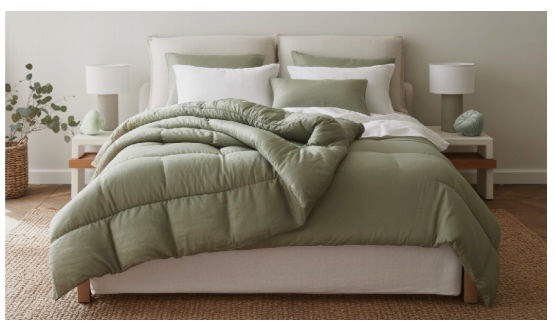
The luxury bedding market is undergoing a quiet revolution. While Egyptian cotton and silk have long dominated high-end linen closets, eucalyptus sheets have emerged as a compelling alternative that doesn't ask consumers to choose between comfort and environmental responsibility. Derived from sustainably harvested eucalyptus trees, these sheets represent a growing segment of the home goods industry where ecological impact matters as much as thread count.
The shift reflects broader consumer priorities. More than 60% of consumers now consider sustainability when making purchasing decisions, with that figure climbing higher among affluent buyers. In bedding, this translates to increased scrutiny of water usage, chemical treatments, and production methods—areas where eucalyptus-based textiles hold distinct advantages over conventional materials.
What Makes Eucalyptus Bedding Different
The appeal of eucalyptus sheets extends beyond environmental credentials. The material itself offers tangible benefits that have attracted attention from both sustainability advocates and those simply seeking better sleep.
Key characteristics include:
Temperature regulation: Eucalyptus fibers are naturally more breathable than cotton, allowing heat and moisture to dissipate rather than trap against the skin. This makes them particularly effective for hot sleepers or warm climates.
Texture: The manufacturing process produces fibers that are smoother at a microscopic level than cotton, resulting in a silky feel without the high maintenance requirements of actual silk.
Resource efficiency: Eucalyptus cultivation requires significantly less water than cotton—up to 96% less according to some estimates—and the trees grow quickly without pesticides or irrigation in many regions.
Hypoallergenic properties: The closed-loop production process and natural fiber structure create an environment less hospitable to dust mites and bacteria.
The production method itself deserves attention. Most eucalyptus sheets are made through a lyocell process that recycles more than 99% of the solvents used, creating minimal waste.
How Eucalyptus Compares to Traditional Materials
Cotton has dominated the bedding market for generations, but the comparison reveals why some consumers are reconsidering their options. Traditional cotton cultivation is water-intensive and often relies heavily on pesticides—the crop accounts for roughly 16% of global insecticide use despite occupying just 2.5% of agricultural land.
Beyond environmental factors, the performance characteristics differ in meaningful ways. Cotton sheets typically require higher thread counts to achieve softness, while eucalyptus fibers are naturally smooth. Cotton also tends to retain more heat and moisture, which can be uncomfortable for some sleepers. The breathability of eucalyptus sheets creates a cooling effect that many users find preferable, particularly in warmer months.
Durability presents another consideration. While high-quality cotton sheets can last for years, eucalyptus sheets maintain their softness and structural integrity through repeated washing without the pilling that sometimes affects cotton. The fibers are less prone to breaking down, which translates to longer usable life when properly cared for.
Price points have historically favored cotton, but that gap has narrowed as eucalyptus production has scaled. Premium eucalyptus sheet sets now occupy a similar price range to high-end cotton options, making the decision less about budget and more about priorities and preferences.
Variants and Options in Eucalyptus Bedding
The eucalyptus bedding category encompasses several distinct products, each with specific characteristics. Understanding these differences helps consumers select options that match their needs.
Tencel and lyocell sheets both derive from wood pulp—often eucalyptus—but the terms aren't quite interchangeable. Lyocell refers to the production process itself, while Tencel is a branded lyocell product manufactured by Lenzing AG. Both use the same closed-loop solvent spinning process, but Tencel maintains specific quality and sustainability certifications.
Eucalyptus silk sheets represent a premium tier within the category. These blend the natural properties of eucalyptus fibers with additional processing to create an even silkier hand feel. The result mimics traditional silk's luxurious texture while maintaining eucalyptus's practical advantages in breathability and care requirements.
Some manufacturers now offer blended options that combine eucalyptus with small percentages of cotton or other fibers. These blends aim to balance the cooling properties of eucalyptus with the familiar feel of traditional materials, though purists argue this dilutes the environmental benefits.
For those ready to make the transition, retailers like SIJO have developed complete bedding collections that extend beyond sheets to include duvet covers, pillowcases, and other coordinating pieces, similar to the full-collection approach taken by brands like Luxome and Pluto. This allows consumers to outfit their entire sleep environment with consistent materials and aesthetics.
Proper Care and Maintenance
Eucalyptus sheets require slightly different care than cotton to maintain their properties and longevity. The good news is that the requirements are generally less demanding, not more.
Washing guidelines:
Temperature: Cold or warm water works best. Hot water isn't necessary and can gradually break down the fibers over time.
Detergent: Mild, plant-based detergents preserve the material better than harsh chemical formulations. Avoid bleach entirely, as it damages eucalyptus fibers more readily than cotton.
Cycle: Gentle or normal cycles both work well. The fibers are strong enough that delicate cycles aren't required.
Load size: Don't overcrowd the washer. Eucalyptus sheets need room to move freely for thorough cleaning.
Drying presents the biggest difference from cotton care. While eucalyptus sheets can go in the dryer, air drying extends their life significantly. If using a dryer, low heat settings prevent unnecessary wear. The material dries relatively quickly due to its moisture-wicking properties, making air drying more practical than with heavier cotton sheets.
Ironing is rarely necessary. The smooth fibers resist wrinkling naturally, and any creases that do form typically relax once the sheets are on the bed. For those who prefer crisp hospital corners, a low iron setting works, but most users find it unnecessary.
Storage is straightforward. Keep sheets in a cool, dry location with adequate airflow. Avoid plastic containers that trap moisture, which can lead to mildew. A linen closet or breathable cotton storage bag works well.


