
The Role of Preventive Care in Livestock Health Management
- Jun 18
- 7 min read
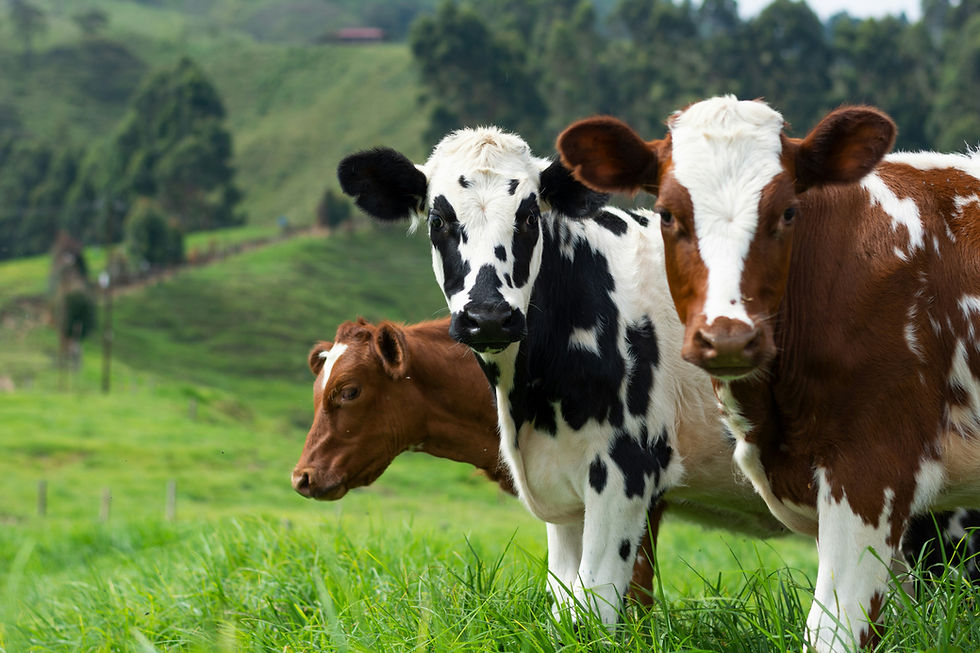
Livestock health management is one of the most important responsibilities on any farm. Whether a producer raises cattle, sheep, goats, pigs, poultry, or mixed herds, healthy animals are essential to productivity, animal welfare, and long-term profitability. Preventive care helps farmers reduce disease risks before they become costly problems. It also gives producers a clear plan for supporting animals through each stage of life, from birth and growth to breeding and production. With the right approach, preventive veterinary care for livestock can improve herd performance, reduce emergencies, and create a stronger foundation for farm success.
Why Preventive Care Matters on the Farm
Preventive care is focused on stopping health problems before they happen or catching them early when they are easier to manage. In livestock production, waiting until animals are visibly sick can lead to higher treatment costs, reduced weight gain, lower milk production, reproductive challenges, and even animal losses. A preventive approach helps farmers stay ahead of common risks such as respiratory disease, parasites, nutritional deficiencies, reproductive issues, and infectious outbreaks. It also supports better animal welfare by reducing pain, stress, and avoidable illness. For many farms, prevention is not just a health strategy, but a business strategy that protects both animals and income.
Preventive care also helps farmers make decisions based on patterns instead of guesswork. When a herd has regular veterinary oversight, producers can track trends in illness, fertility, growth, mortality, and treatment response. This information can reveal problems that might otherwise go unnoticed until they become serious. For example, repeated calf pneumonia cases may point to ventilation, colostrum, or vaccination issues. By identifying these patterns early, farmers and veterinarians can make practical changes that improve outcomes across the entire operation.
Building a Strong Herd Health Plan
A herd health plan is one of the most useful tools in livestock management. This plan outlines the key steps needed to maintain animal health throughout the year. It may include vaccination schedules, deworming protocols, nutrition reviews, reproductive goals, disease testing, biosecurity measures, and emergency procedures. Because every farm is different, the best plans are customized to the species, herd size, facilities, production goals, and local disease risks. A strong plan gives farmers a clear routine to follow instead of reacting only when problems arise.
A herd health plan should also be reviewed regularly. Farm conditions can change due to new animals, seasonal weather, feed quality, market demands, or disease concerns in the region. Veterinarians can help update protocols so they stay practical and effective. For example, a farm that expands its herd may need new quarantine procedures or a revised vaccination schedule. A farm dealing with recurring reproductive losses may need diagnostic testing, nutrition adjustments, or breeding management changes. Regular review keeps the plan aligned with the farm’s current needs.
Vaccinations and Disease Prevention
Vaccination is a major part of preventive livestock care. Vaccines help prepare the animal’s immune system to respond to specific diseases, reducing the risk of severe illness and limiting the spread of infection. Common vaccination programs may address respiratory diseases, clostridial diseases, reproductive diseases, and other risks depending on the species and region. Timing is important because vaccines need to be given at the right stage of life and with proper boosters when required. A veterinarian can recommend a schedule that fits the farm’s goals and local disease challenges.
Vaccination works best when it is part of a broader prevention plan. Animals also need good nutrition, low-stress handling, clean housing, proper ventilation, and effective biosecurity. If these areas are overlooked, vaccines may not perform as well as expected. For example, calves with poor colostrum intake may have weaker immunity and greater disease risk. Similarly, overcrowding or poor air quality can increase respiratory problems even in vaccinated animals. Disease prevention works best when multiple management practices support each other.
Nutrition as a Preventive Health Tool
Nutrition has a direct effect on livestock health, growth, reproduction, and immune function. Animals that do not receive balanced diets are more likely to experience poor performance, metabolic problems, weak immunity, and reproductive issues. Preventive care includes reviewing feed quality, body condition, mineral intake, and access to clean water. These details are especially important during high-demand periods such as pregnancy, lactation, weaning, breeding, and rapid growth. Proper nutrition helps animals stay resilient when they face stress, weather changes, or disease exposure.
Nutrition problems are not always obvious at first. A herd may appear generally healthy while still experiencing lower conception rates, weak newborns, slow weight gain, or recurring illness. Feed testing, body condition scoring, and production records can help identify hidden concerns. Veterinarians may work with nutritionists to evaluate rations and recommend adjustments. Simple changes, such as correcting mineral deficiencies or improving forage quality, can make a noticeable difference. Preventive nutrition planning helps farmers avoid problems that are expensive to fix later.
Parasite Control and Monitoring
Parasites can quietly reduce livestock performance and create major health concerns. Internal parasites may cause weight loss, poor feed efficiency, diarrhea, anemia, and weakness. External parasites can cause irritation, skin damage, reduced comfort, and disease transmission. Preventive parasite control involves more than routine deworming because overuse of treatments can contribute to resistance. A thoughtful program uses testing, timing, pasture management, and targeted treatment to reduce parasite pressure.
Veterinarians can help farmers determine which parasites are most likely to affect their animals and when treatment is needed. Fecal testing, body condition checks, and production monitoring can guide better decisions. Pasture rotation, avoiding overstocking, and separating age groups may also reduce exposure. The goal is to protect animal health while using medications responsibly. A well-managed parasite control program supports productivity and helps preserve treatment options for the future.
Reproductive Health and Preventive Management
Reproductive performance is a key measure of livestock productivity. Preventive care helps identify issues that can reduce fertility, pregnancy rates, or newborn survival. This may include breeding soundness exams, pregnancy checks, reproductive disease testing, vaccination, nutrition reviews, and calving or lambing preparation. When reproductive health is managed proactively, farmers can reduce open animals, shorten breeding seasons, and improve birth outcomes. Healthy reproduction supports both the current production cycle and the future of the herd.
Preventive reproductive care also helps farmers prepare for high-risk periods. Late pregnancy and birthing seasons require close attention to nutrition, body condition, housing, and monitoring. Newborn animals need proper colostrum intake, warmth, clean conditions, and early identification of health concerns. A veterinarian can help create protocols for difficult births, weak newborns, retained placentas, and other common problems. Planning ahead reduces stress during busy seasons. It also helps ensure that both mothers and newborns receive timely care.
Biosecurity and Farm Protection
Biosecurity is the practice of reducing the risk of disease entering or spreading within a farm. It is one of the most important parts of preventive livestock health management. New animals, visitors, shared equipment, wildlife, transport vehicles, and neighboring farms can all introduce disease risks. A practical biosecurity plan may include quarantine procedures, health testing, controlled visitor access, cleaning protocols, and isolation for sick animals. These steps help protect the herd and reduce the chance of widespread illness.
Biosecurity plans should be realistic so they can be followed consistently. A plan that is too complicated may be ignored during busy seasons. Simple steps can still make a big difference, especially when they become part of daily farm routines. Farmers can keep records of animal movement, limit unnecessary traffic, disinfect equipment, and monitor new arrivals closely. Veterinarians can help identify the highest risks for each operation. Good biosecurity protects individual farms and supports the health of the broader agricultural community.
Recordkeeping and Early Detection
Accurate records are essential for effective preventive care. Records help farmers and veterinarians understand what is happening across the herd over time. Useful records may include births, deaths, treatments, vaccinations, weights, reproductive outcomes, disease cases, feed changes, and veterinary visits. These details make it easier to identify trends and measure whether management changes are working. Without records, important patterns can be missed or remembered inaccurately.
Early detection is another major benefit of routine monitoring. Farmers who know what is normal for their animals can spot subtle changes quickly. Reduced appetite, slower movement, coughing, isolation, lameness, lower production, or changes in manure can all signal a problem. When concerns are caught early, treatment is often more effective and less expensive. Early action can also prevent disease from spreading to other animals. Preventive care depends on daily observation, good records, and timely communication with a veterinary team.
FAQ
What is preventive care in livestock health management? Preventive care includes planned steps such as vaccinations, nutrition reviews, parasite control, reproductive checks, biosecurity, and routine monitoring to reduce disease risk.
Why is preventive veterinary care for livestock important? It helps protect animal welfare, reduce emergencies, improve productivity, and lower the long-term costs of disease and treatment.
How often should a herd health plan be updated? Most farms should review their plan at least once a year, but changes may be needed sooner if herd size, disease risks, feed quality, or production goals change.
Do small farms need preventive care too? Yes. Small farms can face the same disease, parasite, nutrition, and reproductive risks as larger operations, so prevention is valuable at any scale.
What are the signs that preventive care may need improvement? Recurring illness, poor growth, low pregnancy rates, frequent treatment needs, weak newborns, or unexplained production drops may signal gaps in prevention.
Can preventive care reduce emergency calls? Yes. While emergencies can still happen, strong preventive programs often reduce the frequency and severity of avoidable health problems.
Partnering With a Veterinarian for Long-Term Success
Preventive care is most effective when farmers and veterinarians work together over time. A veterinarian brings medical knowledge, diagnostic support, local disease awareness, and practical experience with livestock systems. Farmers bring daily observation, knowledge of their animals, and a clear understanding of their operation’s goals. When these perspectives are combined, health plans become more useful and easier to apply. This partnership helps turn prevention into a consistent part of farm management.
Long-term veterinary support also helps farms adapt to changing conditions. Weather patterns, disease pressures, feed costs, market needs, and herd goals can all shift from year to year. Preventive planning gives producers the structure they need to respond with confidence. Instead of waiting for health issues to disrupt the operation, farmers can take steady steps to protect their animals and improve performance. Preventive care is not a one-time task, but an ongoing investment in healthier livestock and stronger farms. For any livestock operation, a proactive approach can make the difference between managing problems and building lasting resilience.


