
The Role of Water Quality Monitoring in Supporting Reliable Liquid Cooling Systems
Introduction
As technology in computing, automation, and high-performance equipment advances, it is evident that efficient temperature management is of great importance. The industry has reached a point where heat, which is produced by servers, manufacturing equipment, and industrial machinery, is reducing performance, shortening the life of equipment, and increasing operating costs at large if not properly controlled. Also at the fore is what can be termed as "liquid cooling," which is recognized as the best solution for thermal management today; it outdoes traditional air-based methods in performance.
Also, in that regard, any success of a liquid cooling system is a result of not only its design but also the state of the cooling fluid. That is the role of water quality monitoring. By which means the regular assessment of the water or coolant used in these systems’ performance, through which organizations may see to it that they run efficiently, which in turn will reduce maintenance requirements and protect expensive equipment from damage.
Understanding Liquid Cooling Technology
Liquid cooling is that which sees to it that heat is removed from electronic components or industrial equipment by the use of a circulating liquid coolant in specially designed channels, pipes, or cooling plates. As water is a better heat conductor than air, it does so more quickly and consistently.
Today the most common applications include the following:
Data centers
Industrial manufacturing facilities
Medical equipment
Renewable energy systems
Electric vehicle charging infrastructure
Scientific research laboratories
High-performance computing environments
As energy efficiency in cooling becomes a greater priority, there is a rise in the use of liquid cooling across many industries.
Why Water Quality Matters
Although cooling systems are designed for longevity, that doesn’t mean they are immune to issues that present themselves in poor water quality. Water in itself contains minerals, gases, microorganisms, and suspended particles. Over time that which is within water may accumulate in the equipment, which in turn will cause various operational problems.
Issues related to poor water quality are:
Scale formation
Corrosion of metal components
Biological growth
Sediment buildup
Reduced heat transfer efficiency
Blocked cooling channels
These issues usually develop over time, which is what makes them hard to notice without regular checkups.
What Is Water Quality Monitoring?
Water quality in industrial systems is the focus of a routine assessment of physical, chemical, and biological elements of water. The purpose is to make sure the coolant is within the right operational parameters.
Common monitoring programs assess factors that:
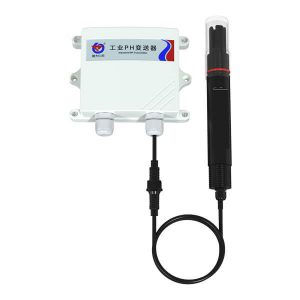
pH Levels
Maintain proper pH levels to reduce corrosion and protect metal surfaces in cooling equipment.
Electrical Conductivity
Conductance tests show which of the ions are present in the water. Also indicates that if conductance is increasing, it may be a sign of contamination or overmineralization.
Temperature
Monitoring of water temp is used by operators to determine that the cooling systems are functioning properly and which way heat is moving as it should.
Dissolved Oxygen
High oxygen levels cause accelerated corrosion in some metals, which in turn means that dissolved oxygen is a key parameter in closed-loop systems.
Turbidity
Cloud out large particles, which may cause the cooling systems to become plugged up.
Microbial Activity
Certain types of bacteria and microorganisms may produce biofilms to reduce cooling efficiency and increase maintenance requirements.
The Connection Between Water Quality Monitoring and Liquid Cooling
Liquid cooling performance is a function of unimpeded flow and efficient heat transfer. Contamination in the coolant will disrupt these.
Routine maintenance of water quality reports to operators on early signs of problems that may become large issues. Early detection in this process presents the chance to change out a defective treatment process, to put in new coolant as required, or to clean out that which is affected all before there is a decline in system performance.
Instead of a reactive approach to failures as they happen, a preventive maintenance strategy is a better approach.
Benefits of Regular Monitoring
Organizations that at all times have a close watch on cooling water see many long-term benefits.
Improved Cooling Performance
Clean coolants transfer better heat, which in turn allows equipment to perform within recommended temperature ranges.
Reduced Equipment Wear
Reducuction of corrosion and scale growth allows for the extended use of pumps, valves, piping and heat exchangers.
Lower Maintenance Costs
Identifying issues at a small scale before they grow into large scale problems decreases repair costs and minimizes unexpected down time.
Greater Energy Efficiency
When coolant heat exchange surfaces are clean, cooling systems require less energy to maintain desired operating temperatures.
Longer Equipment Lifespan
Protect against contamination and corrosion of internal elements, which in turn will see you extend service life and improve return on investment.
Common Sources of Water Contamination
Even very well-designed cooling systems see changes in water quality over time. Many factors play into this.
These include:
Mineral-rich source water
Airborne dust entering open systems
Corrosion products from piping
Microbial growth
Chemical imbalance
Improper coolant replacement
Residual cleaning agents
These are the resources that maintenance teams use to put together better monitoring schedules.
Monitoring Methods Used in Modern Facilities
Sensing tech improvements have greatly enhanced cooling systems’ performance.
Many today include automated and traditional lab analysis.
Common approaches include:
Online Sensors
Continuous sensors, which report in real time on conductivity, pH, temperature, and other key indicators.
Scheduled Sampling
Technicians at intervals take water samples, which they test in the lab to determine chemical makeup and to identify contaminants.
Automated Alerts
Many alert systems report to operators when measurements go out of accepted ranges, which in turn enables faster correction.
Data Trend Analysis
Historical data, which report trends over time, are useful in identifying performance changes that may be easily overlooked in the course of routine checks.
Best Practices for Maintaining Cooling Water Quality
Successful maintenance practices are found in most effective cooling systems.
Recommended practices include:
Conduct routine water quality analysis as per system requirements.
Replace as needed.
Check and clean filters often.
Maintain proper chemical balance.
Check out for contaminates.
At the point of large deposits flush the systems.
Maintain and record upkeep info for long term performance analysis.
These preventive actions which in turn reduce operational risks at the same time preserve reliable cooling performance.
Future Trends in Cooling System Management
As industries continue adoption of automation and digital monitoring techs water management is becoming more intelligent.
Modern systems are beginning to integrate:
Artificial intelligence for predictive maintenance
Remote monitoring platforms
Smart sensors with continuous diagnostics
Automated chemical dosing systems
Cloud-based performance reporting
These innovations enable the identification of issues at an earlier stage which in turn improves over all cooling efficiency.
Growing demand for sustainability is also a factor that is pushing companies to improve water use, reduce waste, and achieve better results in resource efficiency through the use of better monitoring.
Conclusion
Reliable thermal management is a much larger issue than which cooling solution you pick. In the case of liquid cooling, that which is put in the system as well as the quality of that fluid over time plays a great role in how well the equipment does over the long term. If proper attention is not given to water chemistry and system clean out, even the best cooling technologies will see their performance drop off and maintenance go up.
Water quality assessment on a consistent basis will put to notice issues like contamination, corrosion, and scaling as well as others that are in the developmental stage before they turn into large-scale problems. By means of regular testing and preventive maintenance, organizations may see to it that they improve cooling performance, extend the life of their equipment, reduce operational costs, and at the same time see to the dependability of performance in a wide range of industrial and technical applications.


