
The Sophisticated Guide to Fine Art Poetry
Fine art poetry blends written imagery with visual aesthetics to create a deep sensory experience. This creative movement challenges standard formats by asking audiences to look at words as physical shapes.
By combining the power of language with the beauty of gallery masterpieces, writers unlock fresh ways to convey human emotion.
Appreciating this style does not require an advanced degree in creative writing. It simply takes an open mind and a willingness to see text as a form of design.
The Intersection of Text and Visual Art
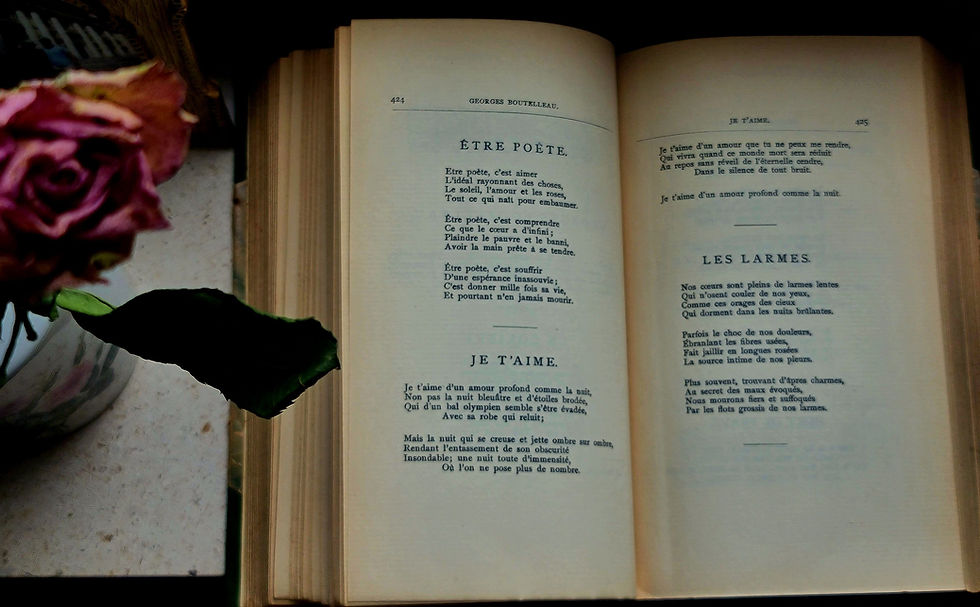
Writers often struggle to bridge the gap between spoken language and physical galleries. When examining how written verses blend with visual masterpieces, resources such as Poetry Explained can provide useful context for understanding how modern creators challenge traditional artistic boundaries. This practice changes standard reading into a rich, multi-dimensional viewing experience.
The layout of a poem on a page can mimic the brushstrokes of a painting - capturing mood through space and line breaks.
Shorter lines create a sense of urgency, mimicking sharp geometric patterns in modern art. Longer passages feel like sweeping watercolor brushstrokes across a broad canvas.
Historical Ties Between Verse and Paint
Artists have spent centuries looking for ways to link written words with physical paintings. A report by a foreign government media outlet noted that a close contact between poetry and fine art was created during recent cultural exhibitions.
Historically, painters drew inspiration from classic epics, scribbling stanzas directly onto their frames.
Modern galleries frequently place printed sheets next to abstract sculptures to offer viewers a dual narrative. This setup guides the audience through a shared emotional journey mapped out by both a writer and a painter.
Modern Platforms and Institutional Support
Finding funding and recognition remains a challenge for individuals working in this niche field. Large organizations are shifting their attention to give underrepresented voices a proper platform.
An article by a major literary organization explained that a top priority for their fellowship program is supporting poets who lack substantial institutional backing.
This shift provides resources to independent creators who experiment with unconventional formats.
Grants allow authors to print high-quality books that look like gallery portfolios. Financial aid helps fund public installations where poetry is projected onto city walls for everyone to enjoy.
Tiny Mediums with Massive Impact
Sometimes the most powerful artistic statements happen in incredibly small spaces. Short verses force a writer to pick every single syllable with absolute precision. A Canadian literary group recently highlighted this trend by crowning Nicole Ardiel as the champion of their miniature poetry contest.
Micro-poetry proves that you do not need 100 pages to leave a lasting impression on a reader. These brief formats thrive in specific environments:
Art gallery brochures that need quick copy
Museum postcards sold in gift shops
Digital screens displaying rotating museum exhibits
Small plaques mounted next to large statues
This format delivers immediate emotional hits to busy visitors who pass through a gallery. It proves that tiny texts hold immense power when paired with the right visual elements.
Crafting Your Own Fine Art Stanzas
Stepping into this genre requires you to think like a graphic designer and a writer simultaneously.
You should select a visual piece that stirs a strong feeling inside you before writing a single letter. Study the shadows, the color palette, and the empty areas of the canvas to guide your rhythm.
Write down phrases that match the physical texture of the artwork - using sharp words for rough edges and smooth words for soft curves.
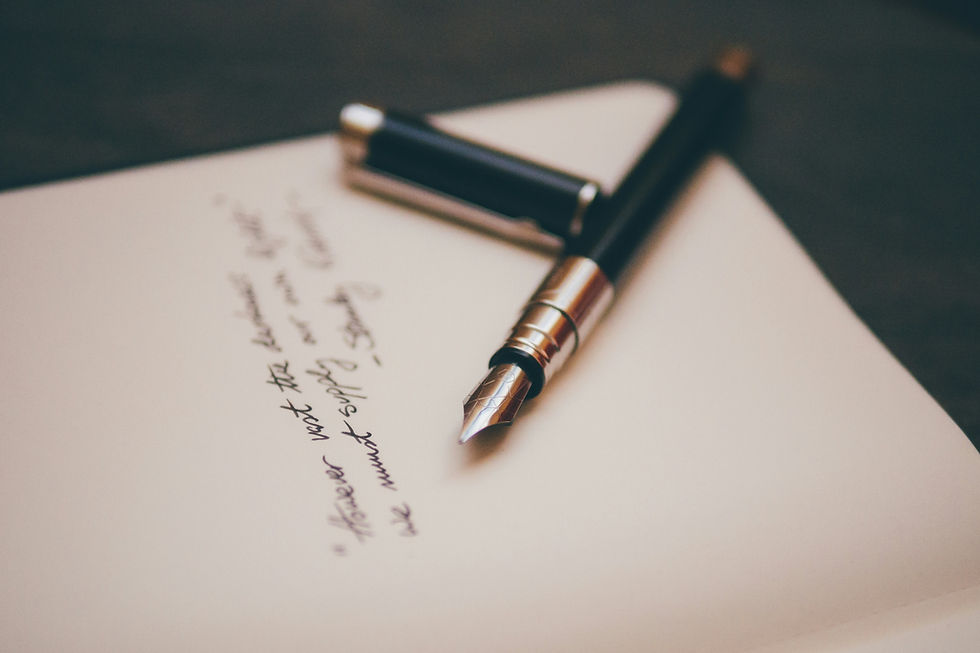
Arrange your lines to mirror the shapes you see in the frame. Leave large spaces between words if the painting features vast, empty skies. You can use 2 or 3 colors of ink to represent different voices within your stanza.
The Growing Audience for Gallery Verse
People are craving deeper connections with the media they consume every day. Static text on a plain white screen can feel dry and disconnected from real life. Blending text with visual media offers a refreshing escape that engages multiple senses at 1 time.
As galleries continue to host interactive events, poetry will play a larger role in public design. Communities benefit when words move off library shelves and onto gallery walls.
This evolution keeps ancient traditions alive, making modern art accessible to a wider audience. It opens doors for next-generation audiences to engage with literature.
Fine art poetry bridges the gap between silent reading and visual spectacle. It teaches us to slow down and view language through a creative lens. Exploring these blended mediums reveals a world where words possess shape, color, and weight.
Step into a local exhibit or open an illustrated poetry book to experience this artistic crossover firsthand. Your perception of text will change forever.


