
Top 5 Digital Warehouse Trends to Watch in 2026
- Mar 15
- 5 min read
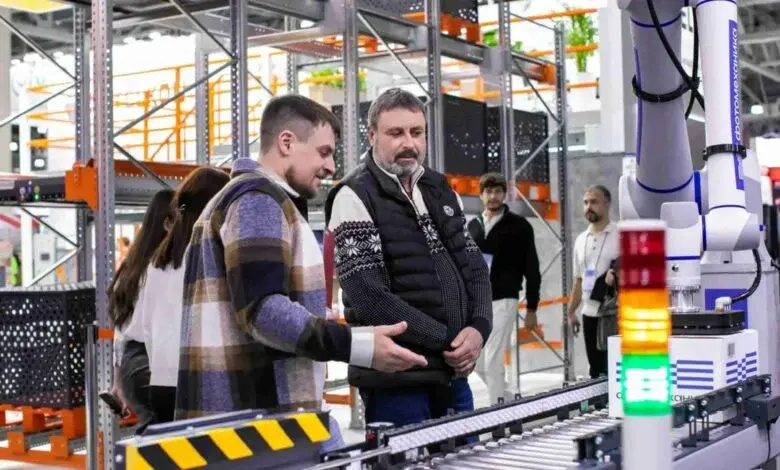
The digital warehouse is a revolution in the world of logistics and supply chain management. As we approach 2026, the integration of advanced technologies into warehouse operations is no longer just a futuristic concept. It is becoming the standard for efficiency, accuracy, and cost reduction. Digital warehouses are changing the way goods are stored, managed, and distributed, offering a higher level of automation, data-driven decision-making, and connectivity.
In this blog post, we'll explore five key trends expected to shape the digital warehouse landscape in 2026. These trends promise to redefine how warehouses operate, making them more efficient, smart, and agile.
What is a Digital Warehouse?
A digital warehouse refers to a highly automated and technology-driven facility designed to optimize warehouse management operations. It integrates various advanced technologies such as Internet of Things (IoT), Artificial Intelligence (AI), Big Data, robotics, and cloud computing to enhance warehouse operations. Unlike traditional warehouses, which rely on manual processes and outdated systems, digital warehouses use these technologies to improve key aspects such as inventory management, order fulfillment, and real-time tracking.
By leveraging AI and machine learning, digital warehouses can predict trends and optimize storage, reducing human error and operational costs. They enable better communication between systems and stakeholders, providing real-time data on inventory levels, delivery times, and supply chain status.
This connectivity makes warehouses more agile and responsive to market changes. In essence, a digital warehouse is the cornerstone of modern logistics, offering unparalleled operational efficiency and scalability for businesses looking to stay ahead in a competitive market.
5 Trends in Digital Warehouses in 2026
Advanced Robotics and Automation
In 2026, robotics and automation will play an even more critical role in the digital warehouse. Robots will handle everything from picking, packing, and sorting to transporting goods. The advancement of collaborative robots, or cobots, will make them more adaptable to dynamic environments and allow them to work safely alongside human workers.
AI-powered robots will be capable of learning from their environment, improving their accuracy and speed over time. These robots will be integrated with smart sensors, allowing them to respond to changes in inventory levels, product types, or shipment requirements. As a result, warehouses will become more efficient, reducing the need for manual labor and minimizing human error.
Automation won't just stop at robots, but will extend to systems managing everything from inventory tracking to predictive maintenance. This trend is poised to reduce operational costs and improve overall productivity in the warehouse sector.
Artificial Intelligence for Predictive Analytics
Artificial Intelligence (AI) will continue to revolutionize the digital warehouse in 2026, particularly through predictive analytics. AI algorithms will be able to analyze massive amounts of data, enabling warehouses to predict demand trends, optimize storage, and streamline supply chains. This predictive ability will allow warehouse managers to make data-driven decisions, anticipating fluctuations in demand before they happen.
For example, AI can forecast seasonal product surges, suggesting optimal storage spaces for inventory, or even recommending labor adjustments based on demand patterns. AI will also enhance inventory management by providing real-time insights, ensuring that warehouses always have the right amount of stock at the right time. By optimizing warehouse operations in this way, businesses will experience fewer stockouts and overstock situations, leading to improved customer satisfaction and reduced costs.
Internet of Things (IoT) for Real-time Tracking
The Internet of Things (IoT) is expected to play a pivotal role in transforming digital warehouses by 2026. IoT devices will provide real-time data on every product, item, or package within the warehouse. These devices, which include smart sensors and RFID tags, will continuously track the location, condition, and movement of goods throughout the warehouse.
With IoT, warehouses will gain unprecedented visibility into their operations, allowing them to make real-time adjustments. For instance, warehouse managers will be able to detect if an item is at risk of being damaged due to temperature or humidity variations. Furthermore, with real-time tracking, customers will have access to live updates about the status of their orders, which will help reduce uncertainty and improve customer experiences. In 2026, IoT will become integral for ensuring efficiency, accuracy, and reliability in warehouse operations.
Cloud-Based Warehouse Management Systems (WMS)
Cloud-based Warehouse Management Systems (WMS) are poised to become the norm for digital warehouses by 2026. These systems allow warehouses to manage inventory, shipments, and workers from anywhere in the world via the cloud. As businesses expand globally, cloud-based solutions enable them to maintain real-time control over warehouse operations regardless of their location.
One key advantage of cloud-based WMS is its ability to offer scalable solutions. Companies can adjust their systems as they grow, without the need for expensive infrastructure updates. Additionally, cloud-based WMS systems integrate seamlessly with other technologies like IoT and AI, enabling smoother data flow between systems. These systems can automate various tasks, from inventory tracking to order management, reducing human intervention and improving overall warehouse efficiency.
Sustainability and Green Practices
As we look to 2026, sustainability will be a key focus in the digital warehouse industry. Warehouses are becoming more environmentally conscious by adopting green practices to reduce their carbon footprint. These practices include the use of renewable energy sources, energy-efficient equipment, and waste-reduction systems.
For instance, warehouses may implement solar panels, use energy-efficient lighting systems, and optimize heating and cooling systems to reduce energy consumption. Additionally, the use of sustainable materials for packaging, as well as initiatives to reduce waste through recycling and reusing, will become more widespread. Not only does this improve the environmental impact, but it also enhances the corporate social responsibility profile of companies operating in the logistics sector.
Future of Digital Warehouses
Looking ahead to the future of digital warehouses in 2026 and beyond, the warehouse ecosystem will continue to evolve with even greater integration of emerging technologies. The convergence of AI, IoT, and robotics will result in warehouses that are entirely autonomous, operating with minimal human intervention. This will dramatically change the skill set needed in the workforce, with a growing emphasis on technical expertise to manage these sophisticated systems.
Moreover, the continued push toward sustainability will prompt even greater innovation, as businesses strive to minimize their environmental impact while maintaining operational efficiency. Real-time data analytics will drive smarter decision-making, making it easier to predict demand, manage resources, and adapt to changing market conditions. The future of digital warehouses is a highly connected and intelligent one, where operations are seamless, sustainable, and entirely data-driven, allowing businesses to meet the challenges of a fast-paced, dynamic world.
Conclusion
As we look toward 2026, digital warehouses will play a crucial role in reshaping supply chain management. With the rise of automation, AI, IoT, and sustainability practices, the warehouse of the future will be smarter, faster, and more efficient. Companies that adopt these trends will not only streamline their operations but also stay ahead of the competition. The digital warehouse is no longer just a concept; it is the future of logistics, offering real-time insights, enhanced automation, and greener practices. As these technologies continue to advance, we can expect even greater improvements in operational efficiency and customer satisfaction in the coming years.


