
Wall Panelling Ideas: How to Transform Your Interior with Stylish Wall Panels
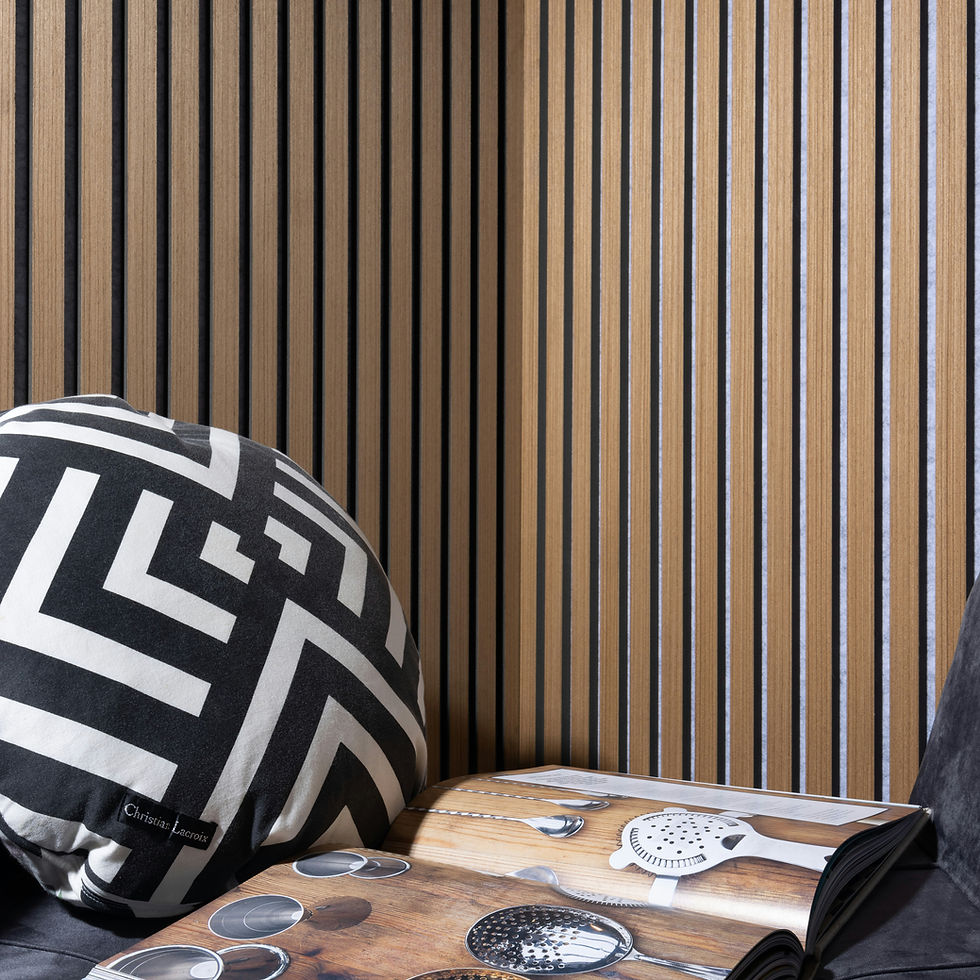
A plain plasterboard wall does its job, technically. Holds the room together, keeps the weather out, gives you something to lean a couch against. But it's about as exciting as a Tuesday. Timber wall panelling changes that equation entirely, turning a flat, forgettable surface into something people actually notice, touch, and remember about a space long after they've left it.
Tongue and Groove: The Classic That Never Actually Left
There's a reason tongue and groove lining keeps showing up across completely different design eras, coastal cottages, sleek modern apartments, high-end commercial foyers. The interlocking profile creates a genuinely seamless run of timber, with just enough visual texture in the grooves to catch light without overwhelming a space. It reads as classic without feeling dated, which is a genuinely rare balance for any material to strike consistently.
Vertical Runs Change How a Room Feels Entirely
Running panelling vertically rather than horizontally does something almost architectural to a room, it draws the eye upward, making standard ceiling heights feel noticeably taller than they actually measure. This trick works particularly well in narrower spaces, hallways, powder rooms, tight commercial corridors, where a bit of perceived height genuinely changes how the whole space feels to move through.
Vertical panelling adds perceived height, especially in narrower spaces
Horizontal runs suit wider rooms, adding a sense of visual calm and grounding
Curved panel applications soften hard architectural lines beautifully
Feature wall panelling paired with a contrasting paint colour creates genuine focal points
Curves: Where Timber Panelling Gets Genuinely Interesting
Flat walls are one thing, curved applications are where timber panelling starts flexing genuine design muscle. Reception desks, feature columns, curved partition walls, these organic forms soften what would otherwise be a fairly hard, angular commercial interior, and timber's natural warmth makes the curve feel intentional rather than like an engineering afterthought bolted onto a straight-line building.
Full-Height Feature Walls: Commitment That Pays Off
A single, full-height panelled wall, running floor to ceiling without interruption, delivers a considerably bigger visual impact than a partial-height application ever will. This works brilliantly behind a bed head, along an entry corridor, or as a backdrop to a reception desk, giving a space one genuinely confident design statement rather than scattering smaller, less impactful gestures across multiple surfaces.
Mixing Finishes Within the Same Space
There's no rule saying an entire project needs one single timber finish throughout. Pairing a darker, richer tone in a feature area against a lighter finish elsewhere creates genuine visual hierarchy, guiding attention toward the space's most important moment rather than treating every wall with identical weight. This works particularly well distinguishing a reception or lobby area from adjoining corridors and back-of-house spaces.
Ceiling Applications: The Underrated Move
Wall panelling doesn't have to stay on walls. Extending a timber lining system across a ceiling, particularly in an entry or feature area, creates a genuinely enveloping effect that a flat plasterboard ceiling simply can't replicate. This works especially well when the wall and ceiling panelling run continuously into each other, blurring the line between the two surfaces entirely.
Panelling as a Storytelling Tool
Beyond pure aesthetics, timber panelling can genuinely reinforce a brand or a building's narrative, a hospitality fit-out leaning into natural, local timber species to reflect regional identity, or a corporate lobby using a particular grain and finish to signal quality before a client's even sat down. This layer of intention, connecting material choice back to a broader story, is what separates a genuinely considered scheme from panelling chosen purely because it looked nice in a catalogue.
Practical Benefits Beyond the Look
Timber panelling isn't purely decorative, it brings genuine functional advantages too, acoustic improvement, durability against everyday wear, and considerably easier long-term maintenance compared to painted plasterboard that shows every scuff and mark. We covered exactly this broader case in this piece on the benefits of wood panelling for modern interiors, which goes through why this material choice keeps winning out over flat, painted alternatives across such a wide range of project types.
Colour and Stain: More Options Than People Assume
Natural timber grain gets most of the attention, understandably, but stained and painted panel finishes open up considerably more design flexibility for projects with a specific colour palette to work within. A deep charcoal-stained panel reads completely differently to a natural blackbutt finish, yet both retain the tactile, dimensional quality that makes panelling worth choosing over flat paint in the first place.
Samples Beat Renders, Every Single Time
A render can only approximate how timber grain, stain depth, and panel profile actually read in person, under real light, at real scale. Getting physical samples into a client's hands before finalising a direction avoids the awkward moment of a beautifully rendered wall looking noticeably different once the actual material arrives on site.
Scale Matters: Don't Underestimate a Small Application
Not every panelling project needs to cover an entire wall or room. A modest application, framing a doorway, wrapping a single reception desk, lining a small powder room, can deliver a genuinely disproportionate visual impact relative to its size. Smaller, well-considered applications sometimes read as more deliberate and confident than covering every available surface simply because the material's available.
Lighting Interacts With Panelling More Than People Expect
The way a panelled wall reads changes dramatically depending on lighting direction and warmth. Grazing light across a grooved or perforated surface accentuates texture and shadow considerably more than flat, even lighting does. Considering lighting design alongside the panelling choice, rather than as a separate decision made later, tends to produce a considerably more polished final result.
Getting the Specification Right From the Start
Fire rating, moisture resistance, and acoustic performance all factor into which specific panelling system suits a given application, and these considerations genuinely shape design decisions rather than sitting as an afterthought bolted on after the aesthetic's been chosen. Working through these requirements early, alongside the visual direction, avoids the frustrating scenario of falling in love with a look that turns out non-compliant for the space's actual requirements.
So What's the Real Takeaway Here?
Wall panelling offers considerably more creative range than people initially assume, vertical or horizontal orientation, curved applications, full-height statements, ceiling integration, mixed finishes, all genuine options rather than gimmicks. The real skill lies in matching the approach to the space's actual proportions and purpose, rather than defaulting to whichever panelling style happened to be trending in the last project photo you scrolled past.


