
What Actually Matters in SEM Performance: Resolution vs Detector vs Sample Type
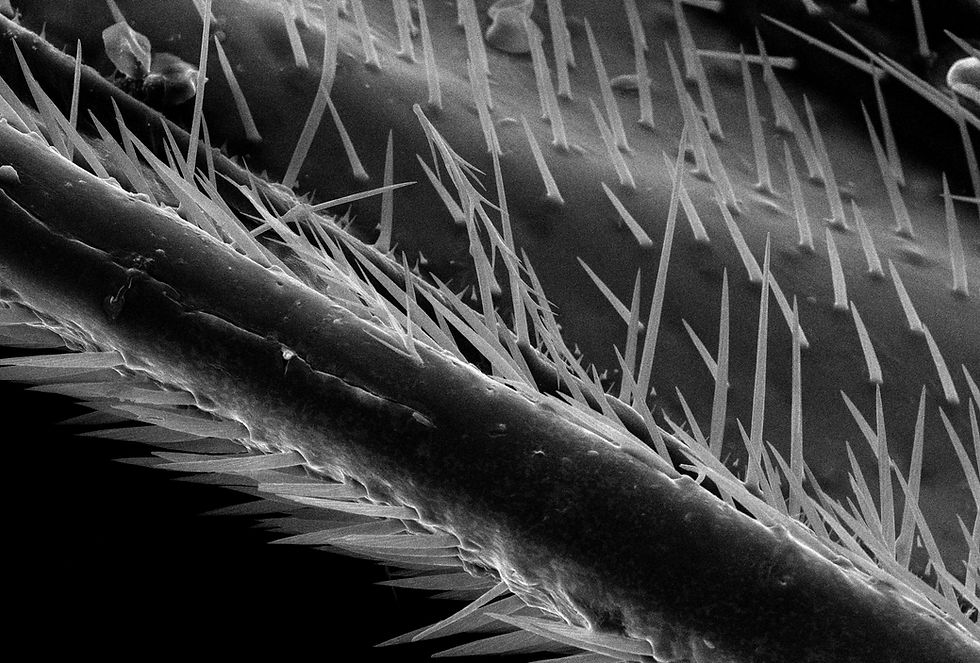
So you're looking at upgrading your microscopy setup or just trying to figure out where to spend your money when it comes to SEM capabilities. Here's the thing - most people get fixated on resolution numbers and forget about the stuff that actually makes or breaks your results.
Let's Talk About Resolution (But Keep It Real)
Resolution gets all the attention. Everyone wants the sharpest images possible, right? Well, here's what nobody tells you - you can have incredible resolution and still get terrible data if nothing else is set up right.
What resolution really does:
Lets you see finer details and smaller features
Gives you the ability to distinguish between closely spaced objects
Sounds impressive in specs but doesn't guarantee useful results
The catch? Getting maximum resolution takes time. Your samples need to be perfectly prepared, you need the right conditions, and honestly, sometimes you don't actually need the resolution you think you do.
The Detector - This is Where Magic Happens
Here's what most people underestimate. Scanning Electron Microscopes rely on detectors to turn electrons into actual useful information. Your detector is basically translating what's happening at the sample into data you can actually work with.
Different detectors, different results:
Secondary electron detectors give you topography and surface features
Backscattered electron detectors show you compositional differences
Energy-dispersive X-ray detectors let you figure out what elements you're looking at
Each one tells a different story about your sample
The real talk? A good detector on a decent microscope beats a great microscope with a mediocre detector every single time. You can't fix bad detection with software or wishful thinking.
Sample Type - The Game Changer Nobody Discusses
This is where I see people mess up most often. You can have the fanciest equipment in the world, but if your sample isn't prepared right, you're wasting time.
What matters with samples:
How conductive they are (non-conductive samples need special prep)
Surface condition and cleanliness
Whether you need cross-sections or just surface views
How the material interacts with the electron beam
Stability under vacuum - some samples just don't play nice
Non-conductive samples? You're looking at gold coating them or using low-vacuum modes. Delicate biological samples? That's a whole different prep process. Metals you want to analyze? Another story entirely.
The Honest Take
Resolution matters, sure. But it's like having a camera with 200 megapixels when your lighting is terrible - the specs don't save you.
What you actually need to prioritize:
Pick the right detector for what you're trying to learn
Spend time on sample preparation (seriously, this changes everything)
Understand your specific application and work backwards from there
Invest in operator training - a skilled person beats fancy equipment every time
The people getting the best results? They're not obsessing over hitting the absolute smallest resolution numbers. They're using the right combination of reasonable resolution, appropriate detection methods, and properly prepared samples. They know their microscope's actual capabilities instead of just reading marketing materials.
Bottom line: don't chase specs. Chase results. Resolution is one piece of the puzzle, but detector choice and sample preparation often matter more for getting data you can actually use.


