
What Does a Custom Deck Builder Actually Handle?
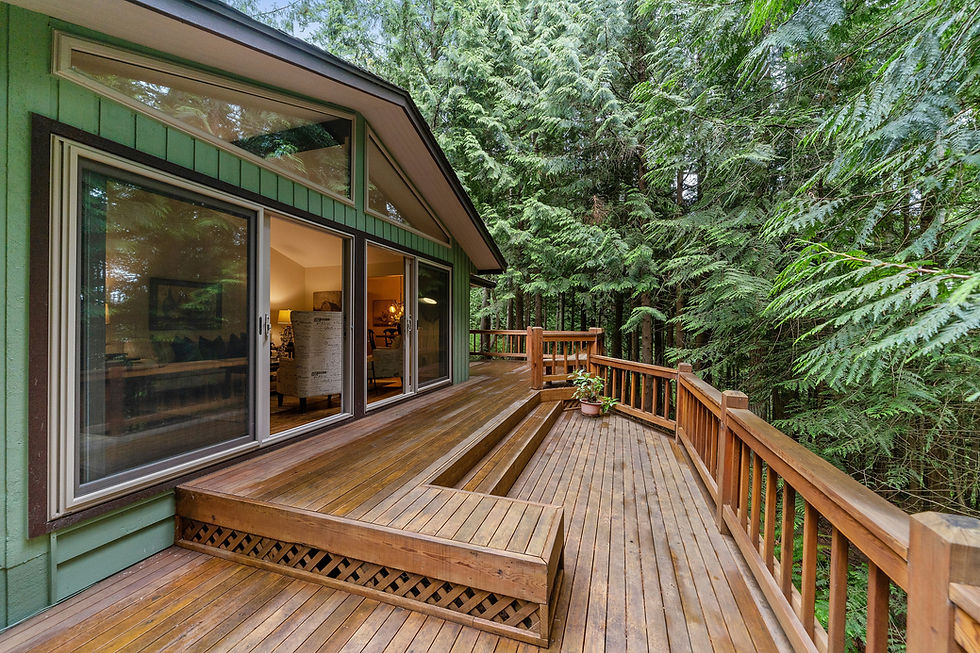
A deck can completely change how a homeowner uses their outdoor space. It can create a comfortable place for grilling, relaxing, entertaining, watching the kids play, or simply enjoying a quiet morning outside. But building a deck is more involved than choosing a few boards and attaching them to the back of a house. A well-built deck requires planning, structural knowledge, design experience, code compliance, material selection, and skilled installation. That is where a custom deck builder comes in.
A custom deck builder does far more than basic construction. They help turn a homeowner’s ideas into a safe, attractive, functional outdoor living space that fits the property, lifestyle, and budget. From the first conversation to the final walkthrough, their role includes design, planning, permitting, building, and often long-term guidance on maintenance.
Companies like Top Notch Deck Builder illustrate this full-service approach well, handling everything from the initial consultation through the final walkthrough rather than just the construction phase.
Understanding Your Goals and Outdoor Space
The process usually begins with a consultation. A custom deck builder will talk with the homeowner about how the deck will be used, what problems they want to solve, and what features matter most. This step is important because every home and household is different.
Some homeowners want a large entertainment area with room for outdoor dining. Others need a quiet retreat, a poolside platform, or a small deck that improves access to the backyard. A builder will consider:
How many people will typically use the deck
Whether the space is for relaxing, dining, grilling, or entertaining
The size and shape of the yard
Sun exposure, shade, wind, and privacy
Access points from the home
Existing landscaping, patios, pools, or walkways
Budget and material preferences
This early planning helps prevent costly changes later. It also ensures the finished deck is not just attractive, but genuinely useful.
Creating a Custom Deck Design
Once the builder understands the homeowner’s goals, they move into the design phase. This is one of the biggest differences between a standard deck installer and a custom deck builder. Instead of using a one-size-fits-all layout, they create a design that works with the home’s architecture and the homeowner’s lifestyle.
A custom design may include:
Multi-level deck layouts
Built-in benches or seating areas
Privacy screens
Pergolas or shade structures
Stairs, landings, and railings
Lighting features
Integrated planters
Outdoor kitchen or grilling zones
Hot tub support areas
Wraparound or elevated designs
The builder will also think about traffic flow. For example, the path from the kitchen to the grill should be easy and natural. Stairs should be positioned safely and conveniently. Seating areas should feel comfortable rather than cramped. These details make a major difference in how the deck feels once it is complete.
Recommending the Right Materials
Material selection is another major responsibility. A custom deck builder helps homeowners compare the pros and cons of different decking options. The right choice depends on appearance, maintenance expectations, climate, durability, and budget.
Common deck materials include:
Pressure-treated wood: Often budget-friendly and widely available, but it requires regular maintenance.
Cedar or redwood: Natural and attractive, but may need staining and sealing to maintain its look.
Composite decking: Low-maintenance and durable, with many color and texture options.
PVC decking: Highly moisture-resistant and easy to care for, though it may cost more upfront.
Hardwoods: Strong and beautiful, but often more expensive and may require specialized installation.
A builder can also recommend railing materials, fasteners, framing options, lighting, and finishing details. This guidance helps homeowners avoid materials that may not perform well in their local climate or may require more maintenance than expected.
Handling Structural Planning and Safety
Decks must be beautiful, but they also need to be structurally sound. A custom deck builder evaluates load requirements, framing design, footings, beams, joists, ledger boards, and connections. This is especially important for raised decks, second-story decks, hot tub decks, and decks built on uneven ground.
Structural planning may include:
Determining proper footing depth
Accounting for soil conditions
Calculating load-bearing requirements
Ensuring proper joist spacing
Installing secure railings
Designing safe stairs
Using approved hardware and fasteners
Preventing water damage near the home
Safety is not an area where guesswork is acceptable. Poorly built decks can sag, shift, pull away from the house, or become unsafe over time. An experienced builder knows how to construct a deck that can handle regular use, changing weather, and long-term wear.
Managing Permits and Building Codes
Many deck projects require permits, especially if the deck is elevated, attached to the home, includes stairs, or changes the structure of the property. A custom deck builder often helps with the permitting process and makes sure the design meets local building codes.
This may involve preparing drawings, submitting plans, scheduling inspections, and making any required adjustments. Building codes often cover:
Railing height
Stair dimensions
Footing depth
Ledger attachment
Load capacity
Guardrails and handrails
Setbacks from property lines
Permits may feel like a hassle, but they protect the homeowner. A properly permitted deck can help avoid fines, insurance issues, safety problems, and complications during a future home sale.
Preparing the Site
Before construction begins, the builder prepares the area. Site preparation may be simple or complex, depending on the property. The builder may need to remove an old deck, clear vegetation, mark utilities, level parts of the ground, or protect nearby landscaping.
Good site preparation helps the project move smoothly. It also reduces the risk of drainage problems, unstable footings, or damage to the surrounding yard. If the property has slopes, tree roots, rocky soil, or limited access, the builder can plan around those challenges before construction starts.
Building the Deck
Once planning, materials, and permits are in place, the actual construction begins. This is the most visible part of the project, but it is only one piece of what a custom deck builder handles.
The construction phase typically includes:
Setting footings or piers
Installing posts, beams, and framing
Attaching the deck securely to the home when applicable
Laying decking boards
Building stairs and landings
Installing railings
Adding trim, fascia, lighting, or built-in features
Cleaning up the worksite
Completing final inspections
A professional builder pays attention to spacing, alignment, drainage, fastener placement, and finish details. These details affect how the deck looks, how it performs, and how long it lasts.
Coordinating Add-Ons and Special Features
Many homeowners want more than a basic platform. A custom deck builder can help coordinate special features that make the space more comfortable and enjoyable.
Popular add-ons include:
Low-voltage deck lighting
Under-deck drainage systems
Covered deck areas
Pergolas
Privacy walls
Outdoor storage
Built-in seating
Fire pit zones
Grill stations
Cable, glass, wood, or metal railings
Some features require extra planning. For example, a hot tub requires additional structural support. A covered deck may involve roofing considerations. Lighting may require coordination with an electrician. A good builder knows when additional trades are needed and can help coordinate the work.
FAQ
How long does it take to build a custom deck?
The timeline depends on the size, complexity, weather, material availability, and permitting requirements. A simple deck may take a few days once construction starts, while a larger custom project may take several weeks.
Do I need a permit for a deck?
In many areas, yes. Permit requirements vary by location and project type. A custom deck builder can usually help determine what is required and guide the permit process.
Is composite decking better than wood?
Composite decking is lower maintenance and resists rot, insects, and fading better than many wood options. Wood can be more affordable upfront and offers a natural look, but it typically requires more upkeep.
Can a deck be built on a sloped yard?
Yes. A skilled builder can design a deck for uneven or sloped ground using posts, beams, stairs, and multi-level layouts.
How much does a custom deck cost?
Cost varies based on size, materials, height, design complexity, railings, stairs, and added features. A detailed quote from a builder is the best way to understand pricing for a specific project.
Can a deck support a hot tub?
Some decks can, but only if they are specifically designed for that load. A builder must account for the weight of the hot tub, water, and people using it.
Providing Final Walkthrough and Maintenance Guidance
After construction is complete, a custom deck builder typically walks the homeowner through the finished project. This gives the homeowner a chance to ask questions, review details, and understand how to care for the deck.
Maintenance guidance may include how often to clean the surface, when to stain or seal wood, what products to avoid, and how to inspect fasteners, railings, and boards over time. Composite and PVC decks usually require less maintenance, but they still benefit from regular cleaning.
A professional builder may also explain warranty information for materials and workmanship. This helps the homeowner understand what is covered and how to protect their investment.
Why Hiring a Custom Deck Builder Matters
A deck is a major addition to a home. When it is designed and built well, it can improve outdoor living, increase usable space, and add lasting value. When it is poorly planned or poorly constructed, it can create safety risks, drainage problems, maintenance headaches, and expensive repairs.
Hiring a custom deck builder gives homeowners access to design expertise, structural knowledge, code awareness, material guidance, and skilled craftsmanship. Instead of forcing a standard deck into a unique space, the builder creates a deck that fits the home, the yard, and the way the homeowner actually lives.
From the first design conversation to the final board, a custom deck builder handles the details that make the difference between a basic outdoor platform and a finished outdoor living space.


