
What Evidence Actually Proves Fault in a Car Crash?
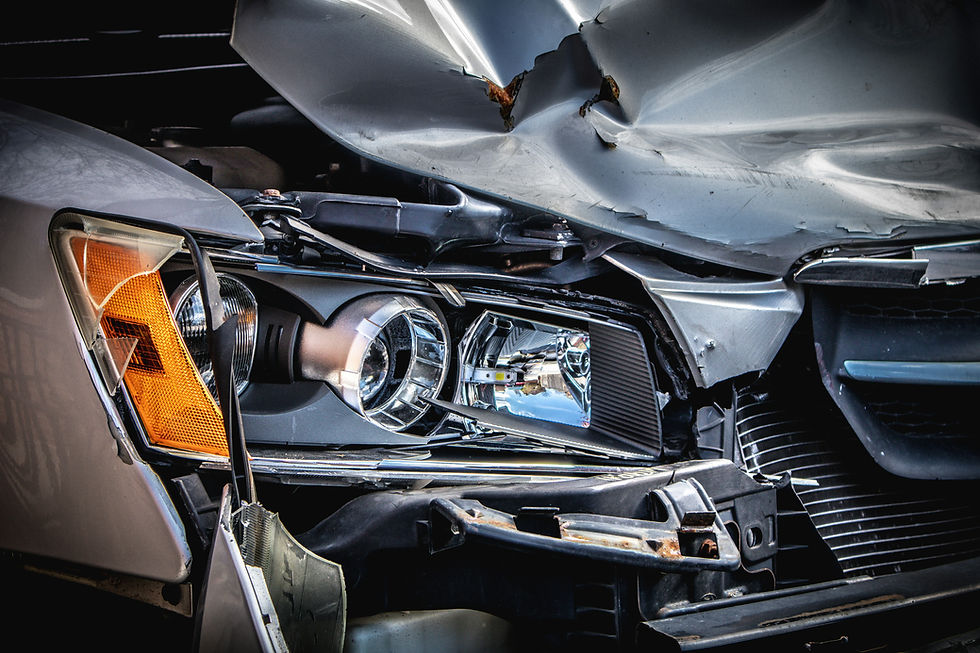
A car crash can turn your normal day upside down. One minute you are driving to work. The next minute you are dealing with damage, pain and confusion. One big question comes up fast: who caused this?
Fault matters as it decides who pays for:
Medical bills
Car repairs
Lost income
Ongoing treatment
You will need proof if you want to receive compensation. You cannot rely on your version alone. You must show clear evidence that the other driver caused the crash.
An Oxnard car accident lawyer may later review the same proof you collect. That is why what you do in the first few hours matters more than you think.
Let us break down the types of evidence that truly help prove fault.
1. The Police Report
Call the police immediately after a crash. Even if the accident is minor.
The officer will:
Talk to both drivers
Speak to witnesses
Observe the vehicles
Examine the road
The report usually includes:
Date and time
Exact location
Road and weather conditions
Driver statements
Witness statements
Traffic citations
A diagram of the crash
If the other driver was speeding or ran a red light - that detail may appear in the report. That can support your claim.
Always request a copy and read it carefully. Ask about correcting it right away if you find something wrong.
2. Photos and Video from the Scene
Your phone is powerful evidence.
If you are physically able, take pictures before cars are moved. Do not rush this step if it is safe to stay.
Photograph:
Damage to all vehicles
License plates
Skid marks
Traffic lights and signs
Debris on the road
Surrounding buildings
Take wide as well as close shots. You must also take photos from different angles.
If there are nearby businesses, check for security cameras. Traffic cameras may also record the crash. Video footage can show exactly how the collision happened. That can end disputes fast.
3. Witness Statements
Witnesses can help more than you realize.
They do not benefit from your claim. Because of that, insurance companies may take their statements seriously.
If someone saw the crash, collect:
Full name
Phone number
Email address
You must ask what they saw. If they agree - record a short video on your phone.
Even one sentence like, “The truck did not stop at the sign,” can help.
If needed, your Oxnard car accident lawyer can contact them later for formal statements.
4. Vehicle Damage Patterns
Every damage tells a story.
Where the damage appears can show who likely caused the crash.
Examples:
Rear damage often means the driver behind was following too closely
Side damage can show someone failed to yield
Head-on damage may indicate a lane crossing
Insurance companies often look at repair reports closely. In serious crashes, accident reconstruction experts may review the vehicles.
These experts study:
Impact points
Force of collision
Vehicle movement
They can explain how the crash most likely happened based on physical evidence.
5. Medical Records
You may not think medical records prove fault. But they can support your case. When you seek treatment right away, it creates a timeline. Your records show:
When symptoms started
What injuries were diagnosed
What treatment you received
Some injuries match specific crash types. For example: rear-end accidents can mostly lead to neck injuries.
Insurance companies sometimes argue that injuries came from another event. Early medical documentation helps shut down that argument.
Always keep copies of:
Emergency room records
Doctor visit notes
Imaging results
Physical therapy records
6. Traffic Law Violations
Traffic laws play a big role in fault cases.
If a driver breaks a traffic law and that action causes a crash, that supports negligence.
Common violations include:
Running red lights
Ignoring stop signs
Speeding
Distracted driving
Driving under the influence
Phone records may show if the person was texting. Blood tests may show alcohol levels.
If you can prove a violation directly led to the crash - you strengthen your claim.
7. Black Box Data
Many vehicles now contain event data recorders. People call them black boxes.
These systems may record:
Speed before impact
Brake use
Throttle position
Steering input
This data can confirm or contradict a driver’s story.
For example, someone may claim they were driving within the speed limit. The vehicle data may show otherwise.
Accessing this information can require legal action. Acting quickly matters because vehicles are often repaired or destroyed.
8. Road Conditions and Maintenance Records
Sometimes the road itself plays a role.
Examples include:
Broken traffic lights
Large potholes
Missing signs
Poorly marked lanes
If a government agency knew about a dangerous condition and did nothing, that may affect fault.
Maintenance records can show:
When the issue was reported
Whether repairs were made
How long has the hazard existed
Claims involving public agencies often have shorter deadlines. Acting fast is important.
9. Dashcam and Third-Party Footage
Dashcams are very common now.
If you have one, secure the footage immediately. Do not overwrite it.
Other drivers may have dashcams too. If someone stopped and witnessed the crash - ask if their camera recorded it.
The video can clearly show:
Traffic signals
Sudden stops
Lane changes
Aggressive driving
Clear footage can settle your disputes quickly.
10. Your Own Actions After the Crash
What you do after the accident can also affect fault arguments.
You must avoid admitting any fault. You may be shaken and unsure what happened. But you must stick to facts when speaking to the police.
Seek medical care immediately. Some injuries may also take time to appear.
Keep every document connected to the crash:
Repair estimates
Medical bills
Insurance letters
Pay stubs showing missed work
Organized records will make your case stronger.
Why Evidence Is So Important in California
California follows a comparative fault rule. This means fault can be shared.
If you are found 20 percent responsible - your compensation may drop by 20 percent. Because of this rule, small details matter.
Insurance companies look for reasons to shift blame. Strong evidence protects you. It gives your side credibility. It supports negotiations.
Without proof - your claim becomes your word against someone else’s.
With proof - the facts speak for you.
Final Thoughts
Proving fault is not about arguing louder. It is about showing evidence.
Each piece plays a role:
Police reports
Photos
Witness statements
Vehicle damage
Medical records
Video footage
Together, they create a clear picture.
You must focus on gathering proof early if you face a crash. You should also stay calm and document everything. Protect your records at all costs.
These simple steps can change how your claim moves forward. And they can make a major difference in the outcome of your case.


