
What High-End Senior Living Really Looks Like Today
- May 30
- 4 min read
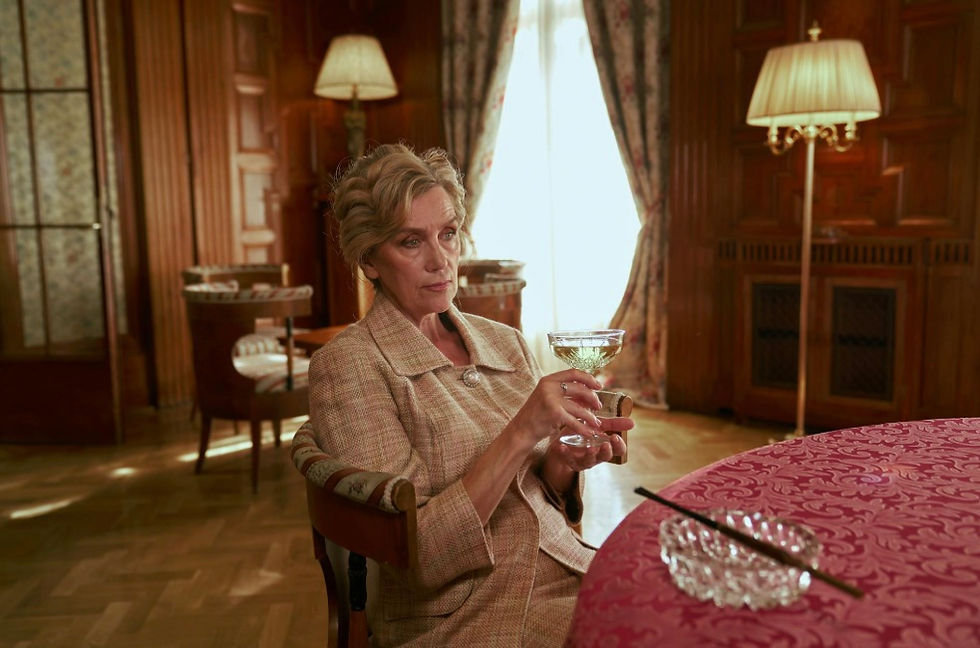
There was a time when senior living carried a narrow, often outdated image—quiet hallways, clinical settings, and a focus primarily on basic care. Today, that perception has shifted dramatically. High-end senior living communities now resemble boutique resorts, wellness centers, and vibrant social hubs, all thoughtfully designed to support independence, dignity, and quality of life.
This evolution reflects broader changes in how aging is understood. Modern retirees are more active, more engaged, and more intentional about how they spend their later years. As a result, senior living has transformed into something far more dynamic and personalized than ever before.
A Shift Toward Lifestyle-First Living
One of the most notable changes in high-end senior living is the emphasis on lifestyle. Rather than focusing solely on care needs, today’s communities prioritize creating environments where residents can continue pursuing their interests, hobbies, and routines.
This shift is visible in everything from architecture to programming. Open floor plans, natural light, and thoughtfully landscaped outdoor spaces create a sense of freedom and comfort. Residents are no longer confined to purely functional spaces; they are surrounded by environments designed to inspire and uplift.
Daily life often includes a rich calendar of activities—art classes, book clubs, cooking demonstrations, fitness sessions, and cultural events. Instead of simply passing time, residents are encouraged to stay mentally and socially active, fostering a sense of purpose that is essential for overall well-being.
Elevated Dining and Hospitality Experiences
Dining is no longer an afterthought in high-end senior living communities. It has become a central part of the experience, with an approach that feels closer to fine dining than institutional meals.
Professional chefs craft menus that focus on fresh, locally sourced ingredients and accommodate a wide range of dietary needs. Residents can often choose from multiple dining venues, such as formal dining rooms, casual cafés, or outdoor patios.
Meals are customizable and designed to reflect personal preferences, cultural traditions, and nutritional goals. In many communities, residents even have opportunities to provide feedback or participate in menu planning, ensuring that dining remains both enjoyable and personal.
Hospitality extends beyond food. Staff are trained to deliver attentive, respectful service that mirrors what you might expect in a high-end hotel. This focus on hospitality helps create an atmosphere where residents feel valued and cared for in a way that goes beyond basic assistance.
Personalized Care That Adapts Over Time
While lifestyle is a major focus, high-end senior living also excels in delivering personalized care. Modern communities recognize that each resident has unique needs, and those needs may evolve over time.
Care plans are tailored to the individual, taking into account not only medical requirements but also preferences, routines, and goals. This flexibility allows residents to maintain as much independence as possible while receiving the support they need.
For example, in communities offering assisted living in Hobe Sound, FL, residents often benefit from a blend of clinical expertise and personalized attention. Whether someone requires help with daily activities or more comprehensive support, services are designed to adapt seamlessly without disrupting their overall lifestyle.
Technology also plays a role in enhancing care. Smart monitoring systems, telehealth capabilities, and digital health records allow for more proactive and responsive support, ensuring that potential issues are addressed early.
Wellness as a Core Philosophy
Wellness in today’s senior living communities goes far beyond basic healthcare. It encompasses physical fitness, mental health, emotional well-being, and even spiritual growth.
Fitness centers are commonly equipped with age-friendly exercise machines, and many communities offer classes such as yoga, tai chi, and aquatic therapy. These programs are designed to improve strength, balance, and mobility while being accessible to a wide range of ability levels.
Mental and emotional wellness are equally important. Programs focused on mindfulness, stress reduction, and cognitive engagement help residents stay sharp and resilient. Access to counseling services and support groups adds another layer of care, ensuring that emotional health is never overlooked.
Outdoor spaces, walking trails, and gardens also contribute to overall wellness. These areas encourage residents to spend time in nature, which has been shown to improve mood and reduce stress.
Thoughtful Design and Modern Amenities
Design plays a crucial role in shaping the experience of high-end senior living. Today’s communities are built with both aesthetics and functionality in mind, creating spaces that are as beautiful as they are practical.
Residences often feature modern finishes, full kitchens or kitchenettes, and private outdoor areas. Accessibility is seamlessly integrated into the design, with features such as wider doorways, step-free showers, and smart home technology enhancing convenience without feeling clinical.
Common areas are designed to foster connection. Lounges, libraries, game rooms, and theaters provide spaces for residents to gather and interact. Many communities also include amenities like salons, spas, and even art studios, allowing residents to enjoy experiences that feel indulgent and enriching.
Security and safety are carefully considered as well. Advanced systems provide peace of mind without creating a restrictive atmosphere, allowing residents to feel both safe and independent.
A Strong Sense of Community and Connection
Perhaps one of the most impactful aspects of high-end senior living is the sense of community it fosters. Loneliness can be a significant challenge for older adults, but thoughtfully designed communities help address this by encouraging meaningful connections.
Social events, shared activities, and communal spaces create opportunities for residents to build friendships and support networks. These connections often become an essential part of daily life, contributing to both emotional well-being and overall happiness.
Family involvement is also encouraged. Many communities host events where loved ones are invited to participate, helping to maintain strong relationships across generations.
In addition, staff members often build lasting bonds with residents, creating a warm and supportive environment that feels more like an extended family than a service provider.
Conclusion
High-end senior living today is a far cry from outdated stereotypes. It represents a holistic approach to aging—one that values independence, personalization, and quality of life just as much as it does care and safety.
By combining lifestyle-focused amenities, personalized services, innovative design, and a strong sense of community, these environments offer a new vision for what later life can look like. Residents are not simply accommodated; they are empowered to thrive.
As expectations around aging continue to evolve, high-end senior living will likely keep pushing boundaries, redefining what it means to live well in every stage of life.


