
What Homeowners Should Know Before Upgrading Their Electrical Systems
Updated: May 11
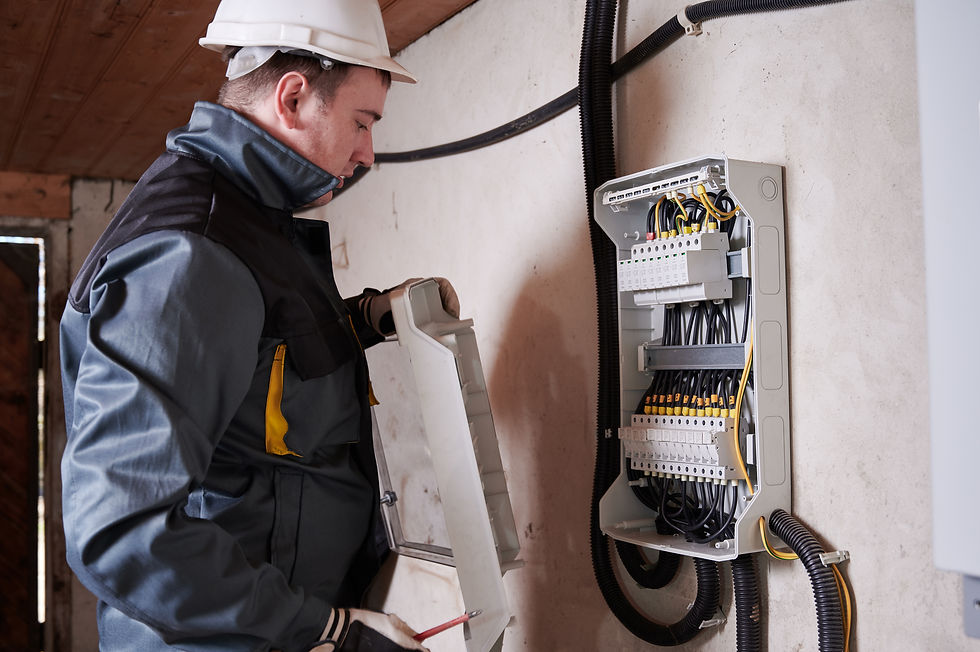
When a mountain estate demands whole-home automation, or a waterfront property requires a lighting plan worthy of an architectural feature in this very publication, the electrician involved is far more than a technician with a toolbox.
They are a collaborator in the craft of fine living. For homeowners in Colorado's most coveted communities, finding the best electrician wellington co can mean the difference between a home that merely functions and one that genuinely performs.
This guide answers the questions luxury homeowners are asking right now. From smart home integration and panel capacity to the credentials worth demanding before any work begins.
What Does a High-End Residential Electrician Actually Do?
The scope of work for an electrician servicing a luxury property goes well beyond standard residential fare.
At this level, the role often blurs into architectural collaboration.
Expect a skilled residential electrician to handle:
Full-property lighting design, including layered ambient, task, and accent systems
Integration with Lutron, Control4, Savant, and other smart home platforms
Installation of whole-home generators and automatic transfer switches
Level 2 and Level 3 EV charging infrastructure for multi-vehicle garages
Panel upgrades and load calculations for properties with home theaters, wine cellars, and professional-grade kitchens
Coordination with interior designers and architects during new builds and renovations
On a truly high-end project, a master electrician may be brought in before architectural drawings are finalized to consult on load requirements, conduit routing, and the invisible infrastructure that enables luxury living.
What Is the Difference Between a Journeyman and a Master Electrician?
For luxury residential projects, this distinction matters significantly.
A journeyman electrician has completed a multi-year apprenticeship and passed state licensing exams. They are fully qualified to execute most residential electrical work, and on a well-run project, they do the majority of the hands-on installation.
A master electrician has logged additional years of field experience and passed a more advanced licensing examination. They are authorized to design electrical systems, pull permits in their own name, and take legal responsibility for a project's compliance with code. On a complex estate build or whole-home renovation, you want a master electrician leading the effort.
Think of the journeyman as a highly skilled craftsperson and the master as the architect of the electrical system. Both are essential. Knowing which one is running your project tells you a great deal about the quality of oversight you are receiving.
How Do You Know When a Luxury Property Needs an Electrical Upgrade?
Older estates, no matter how beautifully maintained, were not built with today's electrical demands in mind. A home wired in the 1980s or 1990s was designed for a fraction of the load required by a modern luxury residence.
Signs that a property is ready for a serious electrical evaluation include:
Tripping breakers when entertaining or running multiple appliances simultaneously
Dimming or flickering lights, particularly when HVAC systems cycle on
A panel with less than 400-amp service (many contemporary estates require 600 to 800 amps)
No dedicated circuits for a home theater, wine cellar cooling system, or spa equipment
Outdated wiring that predates modern smart home infrastructure
Plans to add an EV fleet charger, solar array, or battery backup system
A qualified electrician will perform a full load calculation before recommending a scope of work. That assessment alone, in the right hands, is worth every dollar.
What Should You Look for When Hiring an Electrician for a High-Value Property?
The credentials that matter most at this level of work go beyond the basics.
State licensure. Verify the license number is current and in good standing with your state's electrical board. This is non-negotiable.
Liability insurance and workers' compensation. A contractor working on a luxury property should carry coverage commensurate with the home's value. Ask for certificates before work begins.
Experience with comparable properties. An electrician who primarily wires tract homes is not the same as one who has spent years on custom estates, historic renovations, or smart home integrations. Ask for references and, when possible, ask to speak with past clients directly.
Familiarity with smart home ecosystems. Lutron certification, Control4 dealership status, or experience with Crestron systems signal that an electrician has invested in training beyond standard code compliance. This matters enormously if you are planning any level of home automation.
A written proposal. Any professional worth hiring will provide a detailed written scope of work, timeline, and cost estimate before a single wire is touched.
What Is Smart Home Electrical Integration and Is It Worth It?
For luxury properties, this is less a question of "whether" and more a question of "how deeply."
Smart home electrical integration connects your lighting, HVAC, entertainment, security, and access control systems under a unified platform. The result is a home that responds to your presence, schedule, and preferences with precision that standard switched lighting simply cannot replicate.
The most elegant installations are invisible. Lutron's Homeworks QS system, for example, allows every light in a home to be controlled, dimmed, and scheduled from a single app or voice command, while the hardware itself disappears behind architectural trim plates that blend seamlessly with any interior.
At the infrastructure level, smart integration requires thoughtful pre-wiring during construction or renovation. Retrofitting is possible, but more disruptive. The time to plan is before drywall goes up, not after the interior designer has finished.
How Does an Electrician Work with an Architect or Interior Designer?
On a high-caliber residential project, the electrician is a key collaborator, not a subcontractor who shows up after everyone else has left.
The best working relationships begin at the design phase, when an electrician can review plans and advise on the placement of junction boxes, conduit runs, and panel locations before they become structural problems. They can also flag conflicts between the lighting designer's vision and the building's structural reality.
During a renovation, a seasoned electrician will communicate proactively with the interior designer about outlet placement, fixture rough-in heights, and the location of smart home hardware, all of which affect how a finished room looks and functions.
When vetting an electrician for a luxury project, ask directly about their experience working alongside architects and designers. The answer will tell you whether they see themselves as a trade partner or simply a code-compliance checkbox.
What Are the Electrical Requirements for a Home EV Charging Setup?
For a property housing multiple vehicles, this is an infrastructure decision, not just a convenience upgrade.
A single Level 2 charger requires a dedicated 240-volt, 50-amp circuit. A multi-vehicle installation, common in estates with four-car or larger garages, requires careful load management to ensure the home's electrical panel can support simultaneous charging without compromising other systems.
Some homeowners are now installing Level 3 DC fast charging equipment, which can fully charge a vehicle in under an hour. This requires a dedicated high-voltage circuit and often a panel upgrade, but for a collector-grade garage, it is the appropriate standard.
Your electrician should assess total garage demand, including EV charging, climate control, lighting, and any shop equipment, as part of a comprehensive load calculation before recommending a circuit configuration.
Do Electrical Upgrades Affect Property Value?
In a word, yes, and more meaningfully than many homeowners expect.
Updated electrical infrastructure is increasingly a line item in luxury real estate appraisals. A property with modern 400-amp or 600-amp service, whole-home generator backup, EV charging in place, and smart home pre-wiring commands a measurable premium over a comparable home with aging 200-amp service and no automation infrastructure.
Beyond appraisal value, these upgrades directly affect a property's appeal to qualified buyers. Today's luxury buyer expects a home to perform. An estate that cannot support a serious EV setup or whole-home automation is increasingly seen as a project, not a finished product.
What Questions Should You Ask Before Signing an Electrical Contract?
Before any luxury electrical project moves forward, these are the conversations worth having:
Are you licensed as a master electrician? Can I verify your license number?
Who specifically will be on-site daily, and what are their credentials?
How do you handle coordination with other trades during a renovation?
What smart home platforms do you have certified experience with?
How is the project permitted, and who is responsible for inspections?
What does your warranty cover, and for how long?
Can you provide references from comparable residential projects?
A contractor who answers all of these confidently and completely is worth a premium. One who hedges or deflects is a risk no property deserves.
Closing Thought
The finest homes in the world share a quality that rarely appears in listing photography: invisible infrastructure. The lighting that shifts seamlessly from morning to evening, the generator that engages before you notice the power has gone out, the EV charger that is simply there when you need it. None of it happens without an electrician who understands that their work is the foundation on which everything else rests.
Choose accordingly.


