
What Is a Roof Coating and How Does It Protect Your Roof
Updated: Feb 8
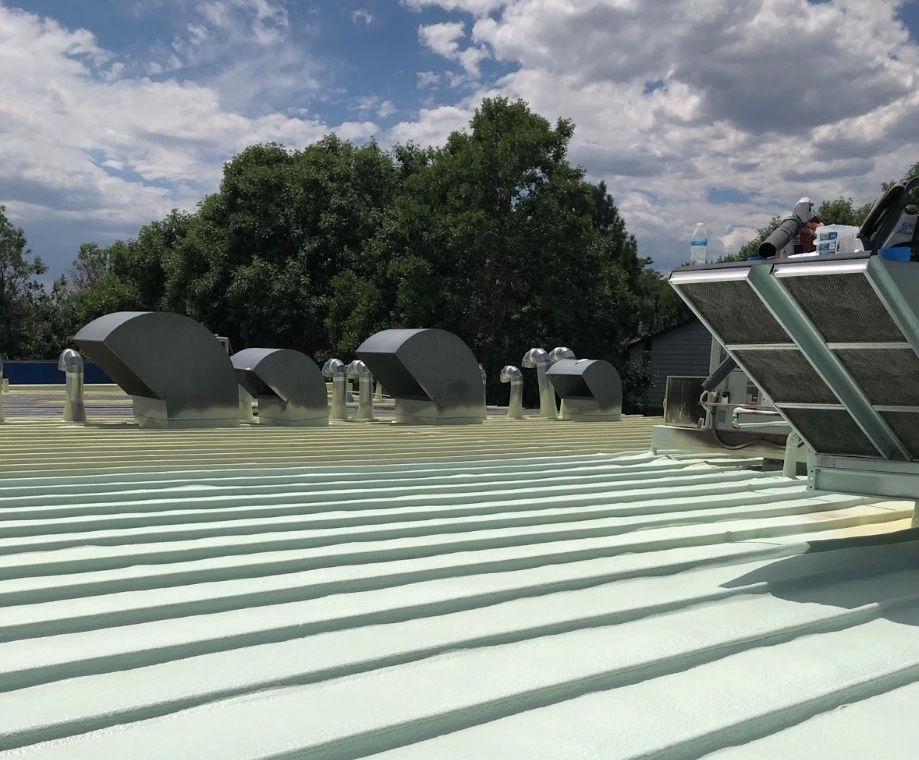
Maintaining a roof’s integrity is essential for any property owner. One solution that has grown in popularity in recent years is a roof coating. Many property owners ask, what is a roof coating, and how does it help protect their roof? Understanding roof coatings, their types, and their benefits can help you make informed decisions for both residential and commercial properties, particularly in regions like Colorado where weather extremes can challenge roofing systems.
A roof coating is a protective layer applied to the surface of a roof to enhance durability, waterproofing, and energy efficiency. Unlike traditional roofing materials that rely solely on their base structure, roof coatings provide an additional barrier against environmental elements, extending the life of the roof and preventing costly repairs.
How Roof Coatings Work
Roof coatings form a continuous protective membrane over existing roofing material. They work by:
Sealing small cracks and gaps
Reflecting harmful UV rays
Reducing water penetration
Improving resistance to temperature fluctuations
Coatings can be applied over various roofing materials, including metal, asphalt, and single-ply membranes. Professional installation ensures even coverage and long-term performance.
Types of Roof Coatings
Different roof coating types are designed to meet specific needs:
Elastomeric Roof Coating
Elastomeric roof coating is flexible, allowing it to expand and contract with temperature changes. This makes it ideal for areas with extreme weather fluctuations, such as Colorado. It prevents cracking and provides excellent waterproofing.
Reflective Roof Coating
Reflective roof coatings are designed to reduce heat absorption by reflecting sunlight. This can improve energy efficiency and reduce cooling costs, particularly in commercial buildings with flat roofs.
Roof Waterproofing Coating
Roof waterproofing coatings form a strong barrier against water infiltration. They are especially useful for flat roofs, metal roofs, and older roofing systems that may have minor leaks or weak spots.
Roof Sealant Coating
Roof sealant coatings are often used for targeted repairs, sealing leaks or vulnerable areas around seams, vents, and flashing. They complement other coatings or can be applied independently as part of routine maintenance.
Benefits of Roof Coatings
Applying a roof coating offers several advantages for both residential and commercial properties:
Extended Roof Lifespan – Coatings protect the base roof material, slowing wear and tear.
Leak Prevention – Seals minor cracks and prevents water penetration.
Energy Efficiency – Reflective coatings reduce heat absorption, lowering cooling costs.
Reduced Maintenance Costs – Protects the roof from UV damage, corrosion, and environmental wear.
Versatility – Compatible with flat roofs, metal roofs, and existing roofing materials.
For property owners in Colorado, these benefits are particularly valuable due to harsh sun, heavy snow, and seasonal temperature swings.
Roof Coating for Flat Roofs
Flat roofs are common in commercial properties and can face water pooling, UV damage, and membrane degradation. Roof coating for flat roofs improves water drainage, prevents leaks, and reduces the risk of ponding water, which can shorten roof life. Coatings like elastomeric or waterproof membranes are ideal solutions.

Roof Coating for Metal Roofs
Metal roofs are durable but can experience issues like rust, thermal expansion, and condensation. Roof coating for metal roofs adds an extra layer of protection against moisture and corrosion while improving energy efficiency with reflective coatings.
Professional coating application can dramatically extend the lifespan of a metal roof while minimizing maintenance requirements.
Cost Considerations
Roof coating cost varies depending on the roof size, type, and coating selected. While initial investment may be higher than basic maintenance, coatings often provide long-term savings by reducing energy consumption, extending roof life, and preventing costly repairs. Engaging a commercial roof coating contractor ensures proper material selection and installation.
How Roof Coatings Protect Against Weather
Roof coatings provide protection against a variety of environmental elements:
UV Rays – Reflective coatings minimize heat damage.
Rain and Snow – Waterproof coatings prevent leaks and water infiltration.
Temperature Fluctuations – Elastomeric coatings accommodate expansion and contraction, reducing cracking.
Wind and Debris – Coatings create a continuous layer that strengthens roof durability.
By addressing these factors, roof coatings help maintain structural integrity and reduce maintenance costs.
Roof Coating Maintenance
Even after installation, roofs coated with protective layers require periodic inspection. Maintenance includes checking for:
Peeling or blistering
Cracks or punctures
Seams or flashing issues
Routine inspections allow property owners to identify minor issues early, preventing costly damage. Many roofing contractors offer ongoing maintenance programs to maximize roof performance.
When to Consider Roof Coatings
Roof coatings are ideal for:
Aging roofs with minor surface damage
Flat or low-slope roofs prone to water accumulation
Metal roofs exposed to UV rays and thermal expansion
Buildings seeking improved energy efficiency
Consulting with experienced denver roofers for roof replacement or coating contractors ensures you select the right solution for your property.
Tips for Choosing the Right Roof Coating
Assess Roof Condition – Determine if your roof can support a coating or requires repairs first.
Choose the Appropriate Coating Type – Reflective, elastomeric, or waterproof depending on your needs.
Hire Experienced Professionals – Proper application is critical for long-term performance.
Consider Longevity and Warranty – Look for products with proven durability and extended warranties.
Regular Inspections – Schedule periodic checks to maintain performance.
Proper application and maintenance are essential to maximize the protective benefits of roof coatings.
Final Thoughts
Understanding what is a roof coating helps property owners make informed decisions about protecting and extending the life of their roofs. From flat commercial roofs to residential metal roofs, coatings provide waterproofing, UV protection, and energy efficiency. By consulting with professional contractors and selecting the appropriate material, you can protect your investment, reduce maintenance costs, and improve the overall durability of your roofing system.
Frequently Asked Questions
Can roof coatings be applied to existing roofs?
Yes. Most coatings can be applied over existing roofs after proper cleaning and repair of minor damage.
How long does a roof coating last?
Depending on the type and maintenance, roof coatings can last 10–20 years, extending the roof’s life and reducing repair costs.
Are roof coatings suitable for all roof types?
Coatings are versatile and can be applied to flat roofs, metal roofs, and many existing roofing materials, though material-specific selection is essential.


