
What Makes a Great Sign Company Stand Out?
- Jul 24
- 8 min read
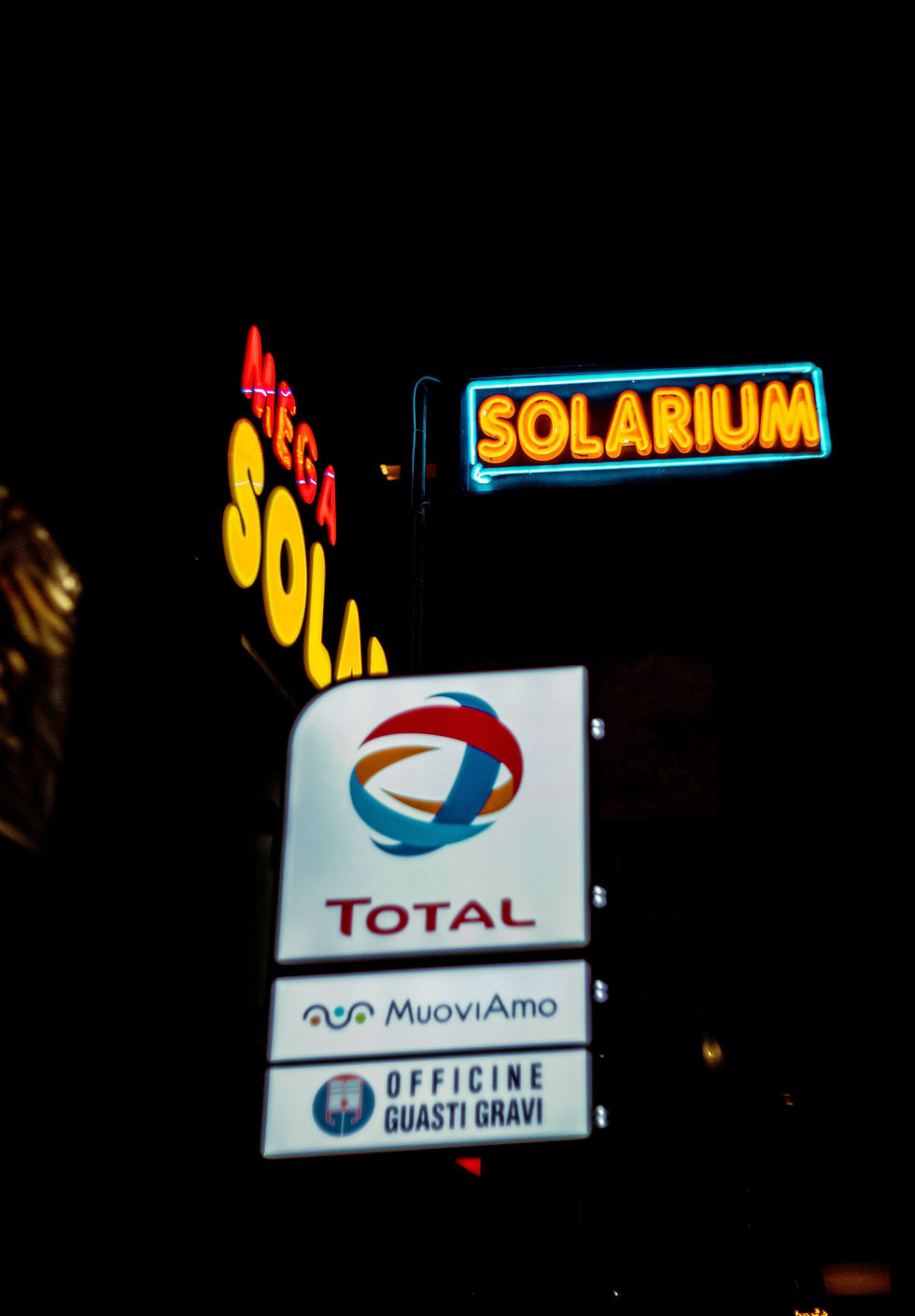
Choosing a sign company is an important decision for any business that wants to improve visibility, strengthen branding, and create a professional customer experience. Signs often serve as the first introduction customers have to a company, so their quality can influence trust before anyone walks through the door. A great sign provider does more than print graphics or install lettering. It combines creative design, technical expertise, dependable service, and a clear understanding of the client’s goals. The best sign company approaches every project as a long-term business investment rather than a one-time transaction. Knowing what separates an average provider from an exceptional one can help businesses make a confident and informed choice.
A Strong Sign Company Starts With Strategic Consultation
A great sign project begins with thoughtful questions and careful listening. The sign company should take time to understand the client’s brand, audience, location, budget, timeline, and overall business objectives. This discovery process helps ensure that the final product supports a specific purpose, whether that means increasing foot traffic, improving navigation, or creating stronger brand recognition. A provider that immediately recommends a product without learning about the business may overlook important opportunities or challenges. Strategic consultation allows the company to suggest solutions that fit the customer’s real needs. It also establishes clear expectations before design and production begin.
An experienced consultant will evaluate factors that may not be obvious to the client. These factors can include viewing distance, traffic speed, lighting, building materials, local competition, customer behavior, and environmental conditions. The company should also consider whether the sign needs to be permanent, temporary, illuminated, weather-resistant, or easy to update. By reviewing these details early, the provider can prevent expensive changes later in the process. This level of planning demonstrates expertise and attention to detail. It also shows that the company is focused on results rather than simply completing an order.
Professional Design Makes a Lasting Difference
Effective sign design requires more than arranging a logo and a few words on a surface. A professional designer understands readability, contrast, spacing, hierarchy, color, scale, and visual balance. These elements determine whether a sign can be understood quickly from the intended viewing location. A design may look attractive on a computer screen but fail when viewed from a moving vehicle or across a busy parking lot. The best sign company designs for real-world conditions instead of relying only on visual appeal. This practical approach helps the final sign attract attention and communicate clearly.
Brand consistency should also guide every design decision. Fonts, colors, imagery, messaging, and materials should align with the company’s website, advertising, packaging, and interior environment. Consistent visuals make the business easier to recognize and create a more polished customer experience. A skilled design team can follow existing brand standards or help establish a stronger visual direction when those standards are limited. It should also provide clear proofs so the client can review the layout, dimensions, colors, and placement before production. A collaborative approval process reduces misunderstandings and gives the client confidence in the final result.
High-Quality Materials Protect the Investment
The materials used in a sign directly affect its appearance, durability, and long-term value. Great sign companies explain the differences between materials instead of automatically recommending the lowest-cost option. Acrylic, aluminum, vinyl, wood, PVC, fabric, and illuminated components each have different strengths and limitations. The right choice depends on whether the sign will be indoors or outdoors, how long it needs to last, and what conditions it will face. Quality materials can resist fading, cracking, peeling, corrosion, and weather damage. They also help the sign maintain a professional appearance over time.
A reputable provider should be transparent about product lifespan and maintenance requirements. It should explain how sunlight, moisture, wind, temperature changes, and frequent handling may affect the finished sign. This information allows the client to compare the immediate cost with long-term performance. A cheaper sign may require earlier replacement, while a better-built product may deliver stronger value over several years. Honest recommendations help customers avoid paying twice for the same solution. They also demonstrate that the company values trust more than short-term profit.
Skilled Production Ensures Consistent Results
Even the best design can be weakened by poor production. Accurate cutting, printing, fabrication, finishing, and assembly are necessary to create a sign that looks clean and performs properly. Experienced production teams use calibrated equipment and reliable processes to maintain consistent colors, dimensions, and finishes. They should inspect materials throughout the project rather than waiting until the sign is complete. Quality control helps identify problems before they reach the installation stage. This attention protects both the client’s brand and the sign company’s reputation.
Businesses should look for providers with experience producing the specific type of sign they need. A company may specialize in vehicle graphics, channel letters, monument signs, wall murals, digital displays, or interior wayfinding systems. Relevant experience helps the team anticipate technical issues and recommend practical solutions. It may also improve production speed because established workflows are already in place. The company should be able to share examples of completed projects that demonstrate consistency and craftsmanship. A strong portfolio offers valuable evidence of what clients can expect.
Reliable Installation Completes the Project
Professional installation is just as important as design and production. Signs must be positioned correctly, mounted securely, aligned accurately, and connected safely when electrical components are involved. A poor installation can damage the sign, the building, or the surrounding property. It can also create safety risks and reduce the useful life of the product. Experienced installers understand how different surfaces, structures, and weather conditions affect mounting methods. They arrive prepared with the proper equipment, hardware, and documentation.
A great sign company also plans installation with minimal disruption to the client’s operations. It should communicate scheduling details, access requirements, expected noise, and any temporary closures in advance. Installers should protect the work area, respect the property, and clean up after the project is complete. They should also review the finished sign with the client and explain any operating or care instructions. This professional process helps the project end as smoothly as it began. It also leaves the customer with a positive final impression.
Knowledge of Permits and Local Requirements Matters
Many exterior signs require permits, landlord approvals, engineering documents, or compliance with local sign codes. These requirements can affect size, height, illumination, placement, electrical connections, and installation methods. A knowledgeable sign company helps clients understand what is allowed before a design is finalized. This prevents delays, redesign costs, and possible enforcement issues. Providers familiar with local regulations can often manage applications and coordinate with the appropriate authorities. That support makes the process easier for business owners who may not know where to begin.
Compliance is also important for accessibility and safety signage. Certain spaces may require specific lettering sizes, tactile elements, Braille, contrast levels, mounting heights, or symbols. A qualified provider should understand the standards that apply to the project and explain them clearly. It should never treat compliance as an afterthought. Accurate planning protects the business and creates a more inclusive environment for customers and employees. Regulatory knowledge is one of the clearest signs of an experienced and dependable provider.
Clear Communication Builds Customer Confidence
Strong communication keeps a sign project organized from start to finish. Clients should know who their main contact is, what stage the project is in, and when decisions are required. The company should provide realistic timelines and communicate quickly when materials, approvals, weather, or site conditions cause changes. Silence and vague updates can create unnecessary frustration, even when the physical work is progressing. A responsive team makes the process feel more predictable. It also helps resolve questions before they become larger problems.
Clear estimates are equally important. A detailed proposal should explain design fees, materials, production, installation, permits, electrical work, delivery, and other potential expenses. Clients should not discover major charges after approving the project. The company should also explain what is not included so both sides understand the full scope. Transparent pricing makes it easier to compare providers based on value rather than headline cost alone. Honest communication is often what turns a first-time customer into a long-term client.
Excellent Service Continues After Installation
A great sign company does not disappear as soon as the installation is complete. It should remain available to answer questions, address workmanship concerns, and provide maintenance guidance. Outdoor signs may need cleaning, electrical service, panel replacement, or lighting repairs over time. Interior graphics may require updates when departments, products, or branding change. A provider that offers ongoing support helps clients protect their investment. This service can be especially valuable for businesses with multiple locations or changing promotional needs.
Warranty coverage is another important consideration. The company should explain which materials, components, and services are covered and for how long. Clear warranty terms show confidence in the quality of the work. Clients should also understand what conditions may void coverage, such as accidental damage or unauthorized modifications. A dependable provider handles valid warranty concerns professionally and promptly. Strong aftercare helps create lasting relationships and positive referrals.
Signs of a Dependable Sign Company
Businesses can evaluate a sign provider by looking for evidence of quality, organization, and professionalism. Claims should be supported by completed work, customer feedback, clear processes, and knowledgeable staff. The company should be willing to discuss both the advantages and limitations of different options. It should also provide recommendations that match the client’s priorities instead of pushing the most expensive product. Consistency across consultation, design, production, installation, and support is a strong indicator of reliability. The best sign company delivers value at every stage of the relationship.
Key qualities to look for include:
A clear and organized consultation process
An experienced in-house or trusted design team
A portfolio of relevant completed projects
Transparent estimates and realistic timelines
Knowledge of permits and sign regulations
High-quality materials and production standards
Professional installation capabilities
Responsive customer communication
Warranty and maintenance support
Positive reviews from verified clients
Reviews can provide helpful insight, but businesses should read beyond the star rating. Detailed feedback may reveal how the company handles delays, revisions, installation challenges, or service requests. A provider with only perfect but vague reviews may offer less useful information than one with specific customer stories. Businesses can also ask for references from clients with similar projects. Speaking with a past customer may clarify what the process is really like. This research reduces risk and helps identify a company that can deliver on its promises.
Frequently Asked Questions About Choosing a Sign Company
What services should a sign company provide?
A full-service provider may offer consultation, design, permitting, production, installation, maintenance, and repairs. The exact services needed will depend on the size and complexity of the project.
How can I evaluate a sign company’s quality?
Review its portfolio, materials, production methods, customer feedback, warranties, and examples of similar work. Ask how the company manages quality control during production and installation.
Should I choose the lowest estimate?
The lowest estimate is not always the best value. Compare materials, durability, design support, installation, warranty coverage, and long-term service before making a decision.
How long does a custom sign project take?
Timelines vary based on design complexity, materials, permits, fabrication, and installation requirements. A professional provider should explain the schedule and identify factors that could affect it.
Does a sign company handle permits?
Many full-service companies assist with permit research, applications, drawings, and approvals. Clients should confirm whether these services are included in the estimate.
What questions should I ask before hiring a sign company?
Ask about experience, materials, timelines, permits, installation, warranties, maintenance, and pricing. You should also ask who will manage the project and how updates will be communicated.
Choose a Sign Partner That Supports Long-Term Growth
A great sign company combines creativity, craftsmanship, organization, and reliable customer service. It takes time to understand the client’s goals and recommend solutions that fit the brand, location, audience, and budget. Strong providers also manage technical details such as materials, permits, fabrication, installation, and maintenance with care. They communicate clearly and remain accountable throughout the project. Choosing the best sign company is not simply about finding someone who can make a sign. It is about selecting a trusted partner that can help a business become more visible, memorable, and successful.


