
What Makes a Luxury Purchase Worth Keeping for a Lifetime
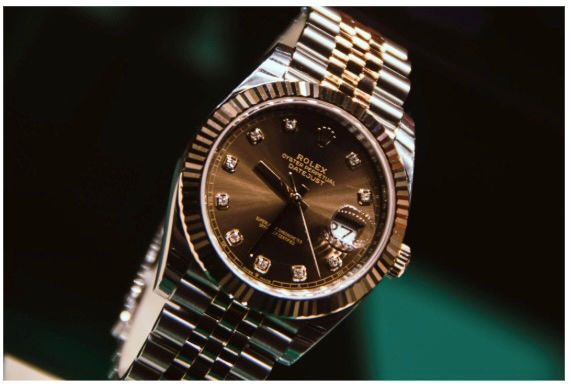
Luxury is easy to recognize at the moment of purchase. The materials feel better, the craftsmanship is noticeable, the packaging is carefully considered, and the object often carries a sense of occasion that an ordinary purchase does not.
The more difficult test comes years later. Some expensive possessions become dated, inconvenient, or forgotten surprisingly quickly. Others become more meaningful with age. The difference is rarely price alone. A purchase worth keeping for a lifetime usually combines durability, usefulness, emotional significance, and the ability to remain relevant even as tastes change.
Quality Should Become More Obvious With Time, Not Less
A lifetime purchase needs to survive actual use. That sounds obvious, but some luxury products are designed more effectively for the moment of purchase than for the next twenty years. Beautiful materials mean little if hardware fails, finishes deteriorate badly, or the object becomes difficult to maintain.
Look closely at construction rather than concentrating entirely on branding. Can worn components be repaired? Can the item be professionally serviced? Will its materials age attractively, or will ordinary wear quickly make it look damaged?
Some possessions even improve aesthetically as they age. Leather develops character, quality wood changes subtly, and well-made jewelry can accumulate the small signs of decades of wear without losing its appeal.
That is different from expecting something to remain visually perfect forever. A genuine lifetime object should be capable of showing its age without becoming disposable because of it.
The Best Purchases Eventually Become Connected to Memories
An expensive object may initially be valuable because of what it is. Years later, its greatest value can come from what happened while you owned it.
A watch worn on important occasions, jewelry associated with a relationship, furniture that followed a family through several homes, or a camera used throughout someone's childhood can gradually acquire meaning that could never be reproduced by purchasing a newer version.
Preserving the memories surrounding these objects can become important for the same reason. Services such as https://everpresent.com/ digitize aging family photographs, albums, film, video, and audio so that material connected to earlier periods of life can remain accessible rather than becoming trapped in deteriorating or obsolete formats. A physical possession can last for decades, but the photographs and recordings that explain why it mattered may be equally important to preserve.
That emotional history is one reason some old possessions become practically impossible to replace, regardless of their resale value.
Timeless Usually Matters More Than Fashionable

There is nothing wrong with buying something because it reflects the current moment. Fashion is part of what makes design interesting. But if the intention is to keep a purchase for several decades, extreme dependence on a temporary trend introduces a risk.
Timeless does not have to mean boring or conservative. It usually means that the object's appeal comes from proportion, materials, craftsmanship, or a distinctive design rather than from one fashionable detail that dominates its appearance.
Personal taste matters more than predictions about what will remain fashionable. If you have consistently preferred a particular style for years, a purchase reflecting that preference has a better chance of remaining appealing than something chosen because it suddenly appears everywhere.
This is particularly relevant with expensive furniture, jewelry, watches, and accessories. The greater the intended lifespan, the less useful it becomes to ask what everybody wants this year.
Ask whether you would still want the object if nobody else could see the label or recognize when it was purchased.
A Lifetime Purchase Should Still Have a Place in Everyday Life
Some luxury possessions are protected so carefully that they are barely enjoyed. The expensive dinnerware never leaves the cabinet, the watch is considered too valuable for ordinary wear, and the beautiful furniture sits in a room nobody regularly uses.
There may be good reasons to protect genuinely rare objects, but most lifetime purchases become more meaningful through use.
Practicality therefore deserves more attention than it often receives during luxury shopping. A beautiful bag that is uncomfortable to carry may eventually stay in the closet. A spectacular chair nobody enjoys sitting in becomes decoration. A complicated watch that is difficult to maintain may lose its appeal once the novelty disappears.
Think about how the item will integrate into your real life rather than the imaginary life surrounding the purchase. Where will it be used? How often? What maintenance does it require? Does that maintenance realistically suit you?
Something does not need to be used every day to justify its place. It should simply have a genuine role rather than existing permanently as evidence that it was once expensive.
The Real Test Is Whether You Would Want to Pass It On
One useful way to evaluate a major purchase is to imagine it thirty or forty years from now. Would you still want it in your home? Would you consider giving it to a child, relative, or someone else important to you?
That question changes the way value is considered.
Resale price becomes less important than physical longevity. Branding becomes less important than whether the design remains appealing. A tiny difference in purchase price may become almost irrelevant when spread across several decades of ownership.
Documentation can become part of the object's story too. Receipts, certificates, original packaging, photographs, letters, and information about where or why something was purchased can give a future owner context that the object alone cannot provide.
Ultimately, the luxury purchases worth keeping are rarely those that generated the strongest reaction on the day they were bought. They are the ones that continue accumulating reasons not to replace them.
They survive use, remain visually relevant, can be maintained, and gradually collect personal history. Eventually, their value is no longer determined primarily by what they originally cost.
The most successful luxury purchase can reach a point where buying a newer version simply would not feel like an upgrade.


