
What Makes a Reliable Lifestyle Bag Manufacturer in 2026
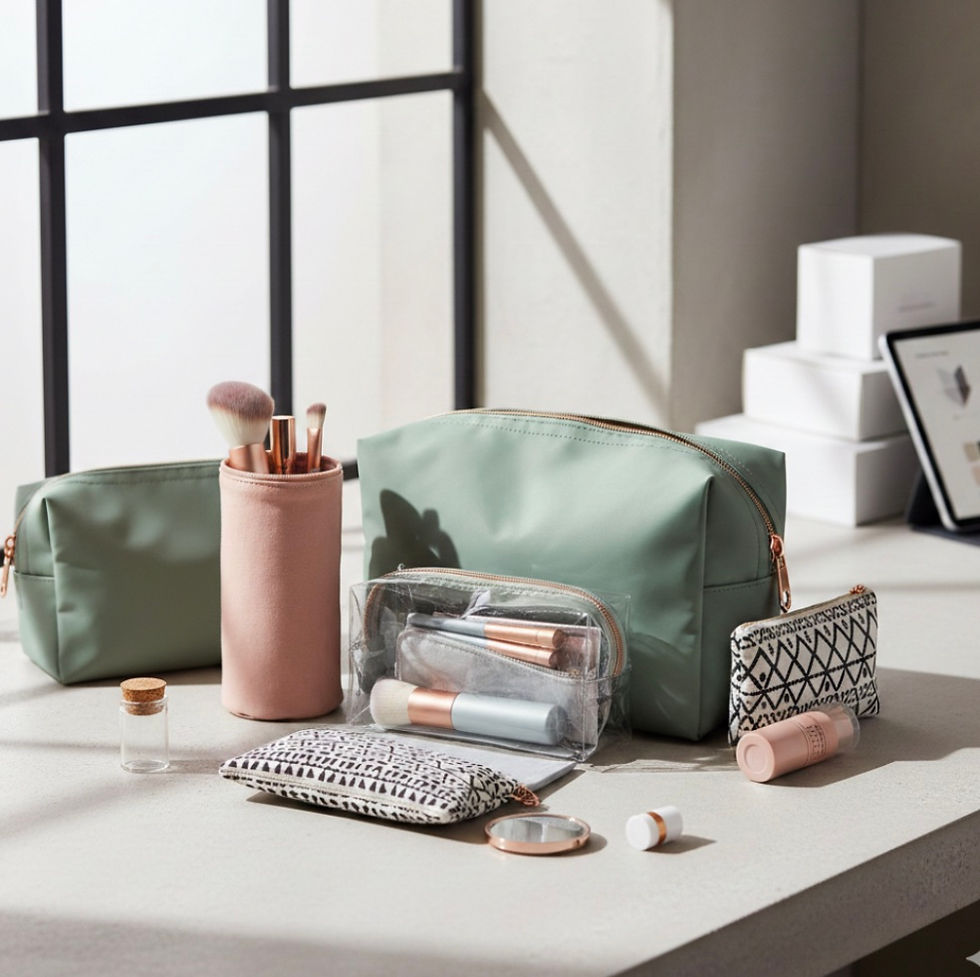
Choosing a lifestyle bag manufacturing partner has always been an important decision. In 2026, it carries even more weight. Companies such as Ciffnoo in China, a trusted lifestyle bag manufacturer, operate in a market where production delays, rising material costs, and stricter retail standards have made sourcing more complex. At the same time, brands are under pressure to deliver consistent quality, responsible materials, and reliable fulfillment. The manufacturer you select does more than produce your bags. They influence your timelines, your margins, and your reputation in the market. Understanding what defines a reliable partner is now part of running a sustainable and competitive brand.
Why Manufacturers Matter More Now Than Ever
Sourcing in 2026 is not what it used to be. Supply chains remain under pressure, material costs shift quickly, and shipping timelines can change with little notice. Buyers are more informed than ever. They ask detailed questions about materials, certifications, production capacity, and compliance. Retailers expect consistency, and consumers expect durability and responsible sourcing.
In this environment, your manufacturing partner plays a direct role in your brand’s performance. A delayed shipment, inconsistent batch quality, or unclear communication can quickly affect customer reviews and retail relationships. Stable manufacturing systems also help brands forecast costs more accurately across seasons. Whether you sell travel bags, cosmetic cases, or everyday lifestyle bags, the factory behind your product is not just a supplier. It is a core part of your business strategy.
Know What You Need Before You Shop
Before reaching out to any manufacturer, define what you actually need. Many sourcing problems begin with unclear requirements. Are you developing cosmetic bags for retail shelves, travel toiletry bags for online sales, or promotional lifestyle bags for corporate gifting? Each category carries different material expectations, price targets, and construction standards.
Be specific about fabric preferences, whether that is vegan leather, recycled polyester, waterproof nylon, or canvas. Clarify your estimated order quantity and the minimum order range you are comfortable with. Set a realistic target cost per unit. Outline your branding requirements, including logo placement, printing methods, and color matching standards.
Clear specifications speed up sampling, improve quotation accuracy, and simplify production planning. Early clarity reduces revisions, shortens timelines, and lowers the risk of misunderstandings later in the process.
Experience, Portfolio, and Proof
When evaluating a lifestyle bag manufacturer, reputation should carry weight. Years in business alone are not enough, but they often signal operational stability. A factory that has produced cosmetic bags, travel organizers, and private label collections for multiple markets typically understands export documentation, seasonal demand cycles, and international compliance requirements.
Review their client portfolio. Have they worked with retail brands, e-commerce sellers, or international distributors? Published case studies or project examples can show how they handle customization, tight deadlines, or large-volume production. Certifications such as ISO and BSCI also matter, as they reflect structured management systems and social compliance standards that many retailers require.
Long-term reliability separates a dependable partner from a risky one. It is not about one successful order. It is about delivering stable performance across years and product cycles. Manufacturers like Ciffnoo demonstrate this by maintaining structured production systems and repeatable quality standards across orders.
It’s Not Just One Perfect Sample
Many factories can produce a strong prototype. The real test begins when production moves from a single approved sample to thousands of units. Quality at scale means every batch matches the standard you signed off on.
For lifestyle bags, this appears in practical details. Stitching should remain even and reinforced at stress points, not loosen after repeated use. Zippers and hardware should function smoothly across all units, not just the showroom sample. Materials should maintain color and structure, whether the bag is used daily for commuting or packed tightly inside luggage for travel.
Repeatable output requires defined production processes and structured inspection systems. It also depends on stable material sourcing and trained workers who understand specifications. When a manufacturer can deliver identical quality across multiple orders and seasons, you gain predictability. That predictability reduces returns, protects reviews, and supports stable retail relationships.
Design Freedom and Brand Fit
Brands today expect more than standard templates. They want manufacturing partners who can translate a brief into a product that reflects their positioning. That includes adjusting Pantone colors for accurate brand alignment, recommending materials that balance cost and durability, and refining construction details based on target users.
For example, a travel beauty brand may require cosmetic bags with structured compartments, spill-resistant linings, and easy-to-clean interiors. An online label may prioritize lightweight materials and trend-driven prints. These requirements demand technical understanding, not just basic production capability.
Fast prototype development also matters. When a manufacturer can deliver digital mockups and samples efficiently, brands can test concepts, gather feedback, and finalize collections without losing time. In 2026, customization is not about placing a logo on a standard design. It is about building products that align closely with how customers use them. Experienced partners such as Ciffnoo often support this process through in-house design coordination and structured sampling workflows.
Smooth Updates, Clear Expectations
Production reliability is not only about equipment and materials. It is also about how information moves between teams. Clear communication reduces uncertainty and keeps projects on track.
A dependable manufacturer responds within a reasonable timeframe, provides detailed quotations, and outlines realistic production schedules. More importantly, they share updates during key stages, from sampling to bulk production. If material shortages or shipping delays arise, they flag them early rather than waiting until deadlines are missed.
Clear, proactive communication builds long-term trust. Buyers should understand cost structures, lead times, and quality checkpoints. When challenges occur, a strong partner focuses on solutions and keeps discussions practical. In 2026, smooth communication is part of operational stability.
People, Planet, and Profit in 2026
Sustainability is no longer a marketing angle. For many brands, it is a requirement from retailers and end customers. Buyers now ask direct questions about material sourcing, labor standards, and environmental practices before placing orders.
A reliable lifestyle bag manufacturer should be able to explain where fabrics come from, whether recycled materials are available, and what certifications support their claims. Clear documentation on social compliance and factory audits is especially important for brands selling in Europe and North America.
Factories that invest in responsible sourcing and transparent operations reduce risk for their clients. At the same time, they help brands respond confidently to customer concerns about how products are made. In 2026, durability and design still matter, but so does impact. Ethical manufacturing supports both reputation and long-term profitability.
Your Go-To Reliability Checklist
With all these factors in mind, buyers need a practical way to compare options. A structured checklist keeps decisions objective and focused on long-term value.
Start with product clarity. Have you provided detailed specifications, and can the factory confirm they understand them? Review how they manage sampling. Do they document revisions and match bulk production to the approved sample?
Ask about quality control systems. Is there a defined inspection process with measurable standards? Confirm MOQ flexibility and whether they can support trial orders without pushing unrealistic volumes. Request transparent pricing breakdowns so you understand material, labor, and logistics costs.
Evaluate communication standards. How quickly do they respond, and how clearly do they explain timelines? Finally, verify ethical certifications and compliance documentation. A reliable partner should also provide realistic delivery schedules based on actual production capacity.
Partner for Growth, Not Just Production
Choosing a lifestyle bag manufacturer in 2026 is a long-term decision. The right partner does more than produce units. They support product development, protect quality standards, and help you manage risk as volumes grow.
Taking time to evaluate experience, operational execution, communication practices, and compliance systems reduces costly mistakes later. It also strengthens customer trust and retail relationships. When your manufacturing partner operates as an extension of your team, growth becomes easier to manage. You gain production stability, predictable delivery timelines, and a stronger foundation for scaling with confidence.


