
What’s the Best Cream Separator for Beginners in Home Dairying: Top Picks and Buying Guide
- Jul 2, 2025
- 5 min read
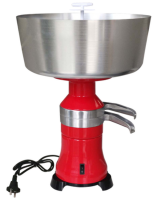
Getting started with home dairying is exciting, but separating cream from milk by hand is slow and messy. The easiest and fastest way for beginners to separate cream at home is by using a cream separator machine. With the right machine, you can save time and get more cream out of every batch.
If you’re new to this, you don’t need anything fancy. A basic cream separator machine is usually easy to set up and simple to clean. Choosing a cream separator machine designed for home use helps you get the best results without stress.
You’ll find that using a cream separator at home lets you enjoy fresh cream and homemade butter more often. Knowing what to look for makes picking your first machine simple, and you’ll soon be making the most out of every drop of milk.
Key Factors in Choosing a Cream Separator for Beginners
Finding the right cream separator comes down to a few main features. These include how much milk it can process, how simple it is to set up and clean, what type of power it uses, and what it is made of.
Capacity and Throughput
When starting with home dairy, you need a separator that matches the amount of milk you expect to process at one time. Small models usually handle between 5 and 10 liters of milk per cycle, which is enough for most families or small farm use.
Think about how quickly the separator can work through your milk, not just the size of the bowl. Throughput is measured in liters per hour. A faster separator saves time and may be necessary if you plan to work with several liters each session.
If you have only a few animals, a smaller machine is fine. For larger batches or regular use, choose one with a throughput of at least 50 liters per hour. Don’t forget to consider storage space and how often you will need to use it.
Ease of Assembly and Cleaning
A user-friendly design helps you start separating cream right away, even if it’s your first time. Look for straightforward instructions and a machine with parts that fit together without confusion.
Cleaning is a chore, but a separator without too many small pieces is much easier to wash. Removable parts, smooth surfaces, and fewer crevices mean less leftover milk or cream after use. This prevents sour smells and keeps bacteria from building up.
Check if the separator comes apart without special tools. Being able to rinse and reassemble quickly after each use makes daily home dairying easier.
Electric vs. Manual Operation
Beginners often consider whether to choose an electric separator or a manual one. An electric unit is quick, consistent, and typically less work, making it great if you have larger volumes of milk.
Manual separators use a hand crank, letting you control the speed. They can be used anywhere since they don’t need power but require more physical effort. If you expect to use it often or for bigger batches, an electric model can save energy and time.
For small batches and occasional use, a hand-powered separator might be enough. Think about whether you have easy access to power and how much effort you want to put in.
Build Quality and Durability
Materials make a difference in how long your separator lasts. Metal parts are sturdy and can handle regular use, while plastic makes the machine lighter and often less expensive. Stainless steel is less likely to rust, which is helpful if the equipment gets wet often.
Check for tight seals and smooth operation to avoid leaks or jams. Well-made components mean fewer breakdowns and less maintenance.
Choose a cream separator that can withstand everyday use, especially if you plan to separate cream often. Quality construction reduces the chance of interruption and helps keep your dairy process smooth.
Top Cream Separator Models for Home Dairying
When you start home dairying, picking the right cream separator helps make your process easier and smoother. Several beginner-friendly models stand out for their ease of use, performance, and overall value.
Popular Beginner-Friendly Options
For those just starting, there are both manual and electric cream separators. Manual types use a hand crank and don’t need electricity. They are usually smaller and easy to move. Electric models are faster and make the process much easier if you have several gallons of milk to process.
Beginners often choose electric models because they save time and need less effort. Some good options have features like stainless steel bowls, simple controls, and spill-proof designs. A few separators even allow you to connect a hose directly to a milk tank, which can simplify the collection. Always look for models with clear instructions and removable parts for cleaning.
Comparing Features and Specifications
When comparing cream separators, pay attention to the following:
Milk Capacity: Most home models process between 4 to 6 gallons per hour.
Material: Stainless steel bowls and plastic housings are common. Stainless steel is easier to clean and lasts longer.
Power: Manual separators use a hand crank, while electric options have motors ranging from 30W to 80W. Electric models run faster but may need more maintenance.
Speed: Electric separators can spin at up to 10,000 RPM, which affects how quickly you finish a batch.
Bowl Size: Standard home units usually hold around 5 liters of milk at a time.
Portability: Manual models are lighter and easier to store or move. Electric models are heavier but more convenient for frequent use.
Matching these features to your needs will help you process milk more efficiently.
Price and Warranty Considerations
Manual cream separators are often cheaper and can start at around $90, making them budget-friendly for first-time users. Electric models can range from about $140 to over $300, depending on how many gallons per hour they handle and the materials used.
When choosing a model, check if it comes with a warranty. Some may offer a one-year warranty or more for parts and labor. A model with a clear warranty can give you peace of mind if you run into problems. Look for products with customer support options to answer questions about set-up and maintenance.
Conclusion
Starting with home dairying means choosing equipment that matches your needs and skills. A good cream separator should be easy to use, clean, and handle the amount of milk you plan to process.
Look for strong food-safe parts, clear instructions, and a reasonable speed for your daily routine. Warming your milk to the right temperature can help improve your results.
Taking time to find the best fit will make your home dairy tasks smoother and more enjoyable.


