
When Standing Becomes the Hardest Part of the Day
It’s rarely the big things people talk about first. Not walking. Not climbing stairs. Not even going outside. It’s standing up.
That small shift from sitting to upright. From bed to chair. From sofa to just… being on your feet again. It sounds simple until it isn’t.
I remember visiting a neighbour once, an older uncle who used to be the most active person on the street. Always outside, always fixing something. That day, he was stuck halfway between sitting and standing, holding onto the armrest as it might disappear. Not dramatic. Just quiet frustration.
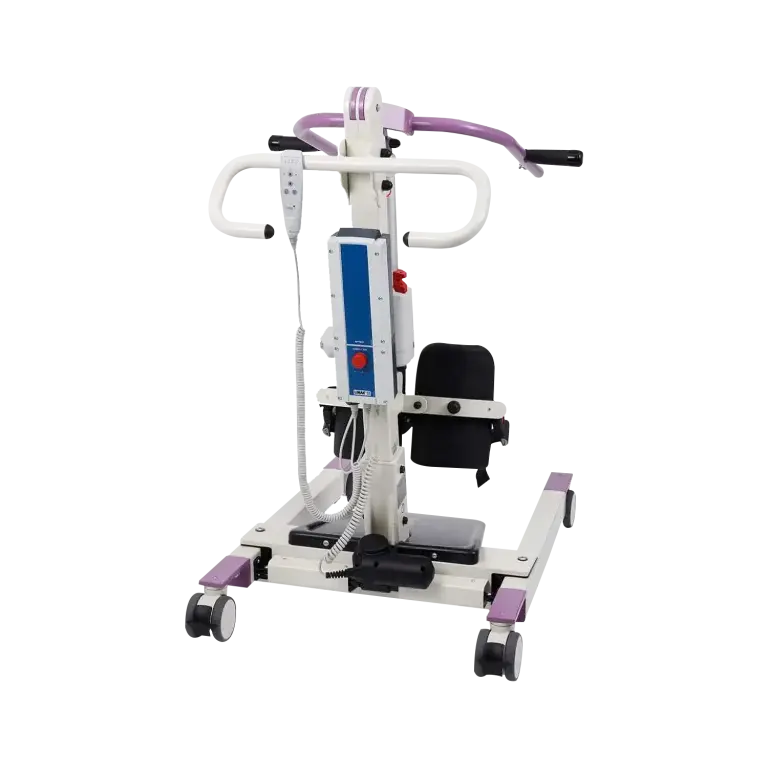
That’s usually where conversations about a stand-up lifter begin. Not with equipment brochures. With moments like that.
It Starts Subtly. Then It Doesn’t.
At first, people adjust. They push harder on their knees. Use nearby furniture. Wait for someone to pass by and offer a hand. Maybe they laugh it off. Then it becomes a pattern.
You notice how often someone stays seated longer than they want. Or avoids certain chairs altogether. Or chooses not to get up, even when they should.
A stand-up lifter doesn’t suddenly appear in these situations. It sort of… enters slowly, as a solution someone wishes they didn’t need. But also, one they quietly appreciate.
The Awkward Middle Moment No One Talks About
There’s this in-between stage. Not fully dependent, not fully independent. That’s where things get complicated.
Family members try to help, but lifting someone safely is harder than it looks. There’s hesitation. Timing goes off. Someone pulls too quickly, or not enough. Balance shifts. Both people feel it. That’s where a stand-up lifter changes the dynamic a bit.
Not just physically. Emotionally too. Because suddenly, the help feels more controlled. Less guesswork. Less strain on both sides. And oddly, less guilt.
It’s Not Just About Standing. It’s About Flow
People assume the main benefit of a stand-up lifter is, well, standing up. But it’s more about transitions. Bed to chair. Chair to toilet. Sofa to walker.
These little movements shape the whole day. When they become difficult, everything slows down. People hesitate before moving. Plan less. Do less.
A stand-up lifter smooths those edges. Not perfectly. But enough. Enough to make daily routines feel possible again.
Caregivers Notice It First
If you’ve ever helped someone stand repeatedly through the day, you know. It adds up. Morning. Afternoon. Evening. Small lifts, over and over. Each one slightly different. Each one carries a bit of risk.
Back strain creeps in quietly. Shoulders tighten. Fatigue builds. A stand-up lifter takes some of that weight away. Literally. But also mentally.
Because you’re no longer calculating every movement. No longer wondering if this will be the time something goes wrong. There’s a kind of relief in that.
The First Time Using One Feels… Strange
Most people don’t jump into it comfortably. There’s hesitation. Sometimes resistance. “It feels mechanical.” “I don’t need this yet.” “I can manage.” Fair enough.
But then they try a stand-up lifter properly. With guidance. Without rushing. And something shifts. Not instantly. Not dramatically. Just a small realisation. That standing doesn’t have to feel like a struggle every single time.
Homes Start Changing Around It
You don’t always think about space until you need to. Chairs get repositioned. Pathways cleared. Rugs moved. Corners reconsidered. A stand-up lifter works best when the environment supports it. Not crowded. Not cluttered.
And once that happens, something else changes, too. Movement becomes more predictable. Safer. Less chaotic.
Dignity Shows Up in Unexpected Ways
This part gets overlooked a lot. Assistance can feel uncomfortable. Even when it’s necessary. Being lifted by someone else, repeatedly, day after day. It can chip away at confidence.
A stand-up lifter creates a bit of distance in that interaction. Not emotional distance. Just… space. It allows the person to participate in the movement. To feel involved rather than fully dependent. That matters more than people realise.
Not a One-Size-Fits-All Situation
There isn’t just one type of stand-up lifter setup that works for everyone. Some people need more support. Others just need a little assistance at the right moment. That’s why services around it matter.
Because using a stand-up lifter isn’t just about having the equipment. It’s about knowing when, where, and how to use it properly. Timing. Positioning. Communication. All those small details.
There’s Always a Turning Point
Usually, there’s a moment. A fall. A near miss. A particularly difficult morning. Something that makes families pause and think, maybe we need more support here.
That’s often when a stand-up lifter becomes less of an option and more of a necessity. Not as a last resort. But as a way to prevent things from getting worse.
It Doesn’t Fix Everything. But It Helps Enough
Let’s be real. A stand-up lifter doesn’t restore full mobility. It doesn’t erase underlying conditions. It doesn’t bring things back to how they were years ago. But it helps.
In those in-between moments. The ones that quietly shape someone’s independence. And sometimes, that’s enough to make a day feel manageable instead of exhausting.
Small Wins Start to Appear Again
You notice it slowly. Someone stands up without hesitation. Moves with a bit more confidence. Joins conversations more actively because they’re not preoccupied with the next movement.
These aren’t big milestones. But they add up. A stand up lifter doesn’t just assist movement. It brings back small pieces of normalcy. And those pieces matter.
The Quiet Impact Most People Miss
From the outside, it might just look like equipment being used. Routine. Functional. But inside the home, it’s different.
It’s fewer arguments about needing help. Less physical strain on caregivers. More willingness to move, even when it’s hard. A stand-up lifter becomes part of the rhythm of the day.
Not the centre of attention. Just… there, making things a bit easier.
And Then It Becomes Normal
That’s probably the most surprising part. What once felt unfamiliar eventually becomes routine. Expected. Even reassuring.
People stop thinking about the stand up lifter from CHS Healthcare as something extra. It just becomes part of how things are done. Like a chair. Or a railing. Or a familiar path through the house.
It’s funny, in a way. We often focus on big changes when we talk about care and support. But sometimes, it’s this one small movement. Standing up. That changes everything around it.
And when that movement becomes easier, even just a little, life starts to feel… not perfect, but steadier. More manageable.
And for many families, that’s exactly what they were hoping for.


