
Why Brass Handles Age Better Than Most Modern Hardware Finishes
- Jun 29
- 5 min read
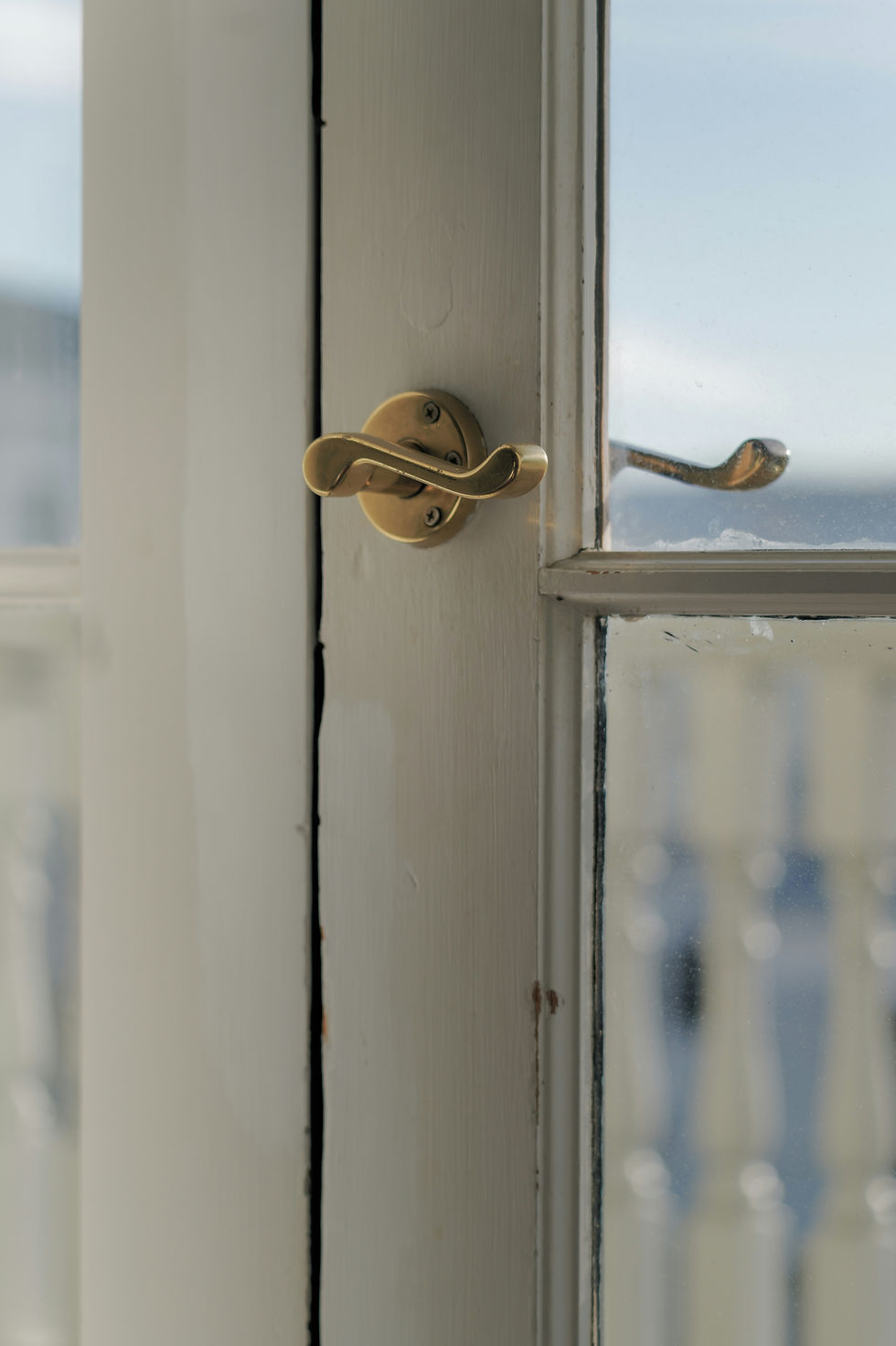
There’s a reason brass keeps showing up in buildings that have been standing for a century or more. It isn’t just nostalgia, and it certainly isn’t luck. Brass handles tend to age better than many modern hardware finishes because the material changes in a way people often find attractive rather than disappointing. That distinction matters.
With a lot of contemporary finishes, the goal is to look flawless for as long as possible. The problem is that “flawless” is a fragile standard. The first scratch, chip, or dull patch can make the whole piece feel tired. Brass works differently. It has a built-in tolerance for time, touch, and use. Instead of looking ruined when it changes, it often looks more settled, more characterful, more at home.
That makes brass especially interesting in places where hardware is handled every day: front doors, kitchen cupboards, internal passage doors, hospitality interiors, and period renovations. In all of those settings, the finish isn’t just decorative. It’s part of the lived experience of the space.
The Difference Between Wearing Out and Wearing In
A lot of hardware is judged too quickly. It may look impressive on the day it’s installed, but the real test begins after six months of fingerprints, rings, damp air, cleaning products, and general wear. This is where brass often separates itself from trend-led alternatives.
Modern finishes are frequently surface treatments applied over a base metal. That can work well in controlled conditions, but once the top layer is compromised, the aging process can become uneven. A black-coated handle that chips at the edge or a satin finish that develops glossy wear spots doesn’t always gain charm; it can simply look damaged.
Brass, particularly solid brass, isn’t relying on a thin visual layer to maintain its identity. The material and the finish are much closer to being one and the same. So when it changes, it usually changes with more integrity. The surface darkens, softens, and develops variation, but it still looks coherent.
That’s an important idea if you’re choosing hardware for the long haul. Timelessness isn’t only about style. It’s also about how a material behaves after years of ordinary use.
Why Brass Is Uniquely Forgiving
The appeal of brass lies partly in colour, but even more in how that colour evolves. It starts warm and bright, then gradually deepens. In some homes, that process creates a mellow, understated finish. In others, especially high-touch areas, you get contrast between polished contact points and darker recesses. Either way, the result tends to feel natural.
If you look at long-running preferences for classic gold-tone hardware designs, what stands out is not just aesthetics but endurance. These pieces work in Georgian townhouses, Victorian terraces, country kitchens, boutique hotels, and newer homes trying to avoid a sterile, off-the-shelf feel. Brass has range, and that range comes from its ability to bridge freshness and age gracefully.
Patina Is an Asset, Not a Defect
Patina gets talked about a lot, sometimes vaguely, but in practical terms it means the finish records use without becoming ugly. That’s rare. Most materials either resist change aggressively or give in badly. Brass sits in the middle. It changes, but it tends to do so in a visually pleasing way.
This is one reason architects and interior designers return to it for heritage projects. In an older building, perfectly uniform hardware can look oddly disconnected from everything around it. Brass settles into the wider palette of timber, stone, painted joinery, and natural light. It doesn’t shout for attention after the first week.
It Can Usually Be Refreshed
Another advantage is that brass often offers a second life. If the surface becomes too dark or neglected for your taste, it can usually be cleaned, polished, or allowed to age again. That flexibility matters. Many plated or coated finishes don’t give you the same margin for error. Once they are scratched through or chemically damaged, restoration is far more difficult.
In other words, brass is forgiving not only in how it ages, but in how easily it can be brought back.
Where Modern Finishes Often Fall Short
This isn’t to say all modern hardware performs poorly. Some high-end finishes are technically impressive and very durable. But many popular options are selected for immediate visual impact rather than long-term character.
Matte black is a good example. It can look sharp and architectural in the right setting, but it often shows wear at corners and contact points. Brushed nickel and chrome can feel clean and contemporary, yet they can also highlight water marks, fingerprints, and micro-scratches. Some lacquered gold-effect finishes deliver the brass look without the brass behaviour, which becomes obvious once the coating starts to fail.
There’s also the issue of fashion. Hardware trends move faster than most people expect. A finish that feels current today can date a room surprisingly quickly. Brass has stayed relevant because it never belonged to just one era. It works with traditional interiors, but it also complements pared-back modern spaces, especially when paired with natural materials and restrained detailing.
The best materials don’t merely survive design cycles. They outlast them.
Brass Rewards Daily Use
This is perhaps the simplest point, and maybe the most persuasive: handles are meant to be touched. You interact with them constantly, often without noticing. So a handle should be chosen not just for how it photographs, but for how it feels and behaves over time.
Brass has a tactile quality that many people respond to instinctively. It feels substantial. It warms slightly with touch. It doesn’t seem clinical. In busy homes and commercial spaces, that matters more than people think. Hardware is one of the few design elements you physically engage with every day.
There’s also a hygiene angle worth noting. Brass and copper alloys have long been studied for their antimicrobial properties, which is one reason they’ve been used in healthcare and public environments. That isn’t the main reason most people choose brass handles, but it does add to the case for the material as something more than decorative.
Choosing Hardware With a Longer View
If you’re selecting handles for a renovation or new build, it helps to ask a slightly different question. Not “What looks best today?” but “What will still look right after thousands of uses?” That shift in perspective changes the shortlist quickly.
Brass tends to stay on it because it doesn’t demand perfection to remain attractive. It accepts wear. It develops personality. It can be polished up, toned down, or simply left alone to tell the truth about how a space is used.
And perhaps that is why brass ages better than so many modern finishes: it was never trying to freeze time in the first place. It was built to live with it.


