
Why DUI Crashes Often Begin Long Before the Engine Starts
- Jul 23
- 3 min read
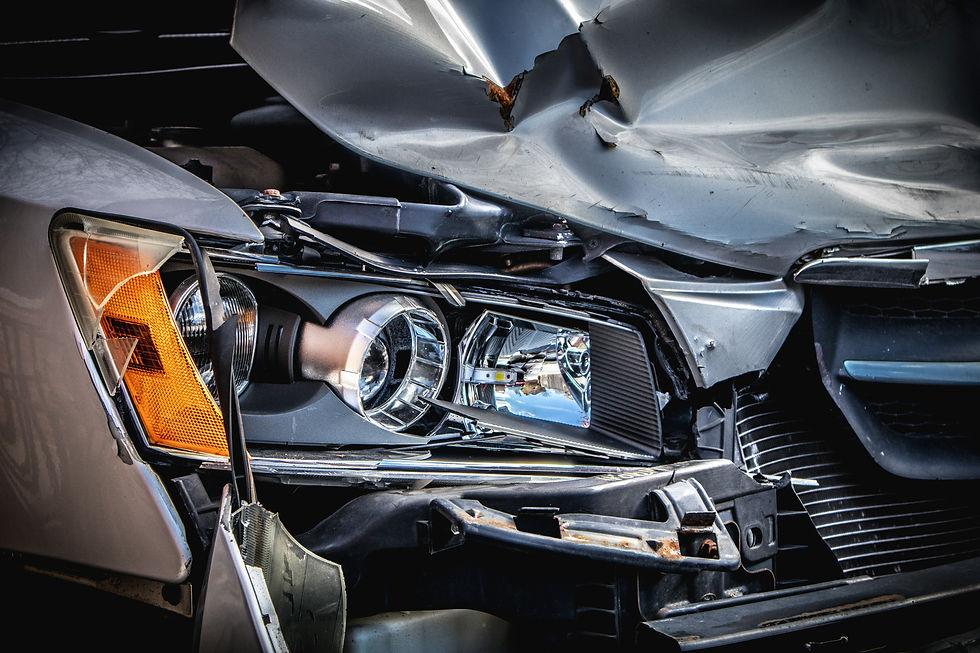
When people think about impaired driving, they often picture the moment a vehicle drifts across a lane or fails to stop in time. In reality, the events leading to a serious collision usually begin much earlier. The choices made before anyone reaches for the keys often determine whether the drive will end safely or in tragedy.
Deciding how to get home after drinking or using substances that impair judgment is part of responsible planning. Waiting until it's time to leave can make that decision much more difficult because alcohol and certain drugs affect the very judgment needed to recognize when it's unsafe to drive.
Long before a DUI accident occurs, a series of preventable decisions has already set the stage. Looking at those choices, along with the effects of impairment and practical ways to reduce risk, shows why preparation is one of the most effective safety measures available.
The Choices That Shape the Outcome
The decision to drive while impaired rarely happens in isolation. It often begins with assuming that only a small amount of alcohol was consumed, believing the drive is short enough to be safe, or expecting to feel capable of getting home without incident.
Planning ahead can change that outcome completely. Arranging for a designated driver, scheduling a rideshare, using public transportation, or staying overnight removes the need to make an important decision after judgment has already been affected.
Having a transportation plan before the evening begins is often far easier than trying to solve the problem later. A few minutes of preparation can eliminate unnecessary risks for everyone sharing the road.
Impairment Changes More Than Reaction Time
Driving safely depends on constant awareness. Motorists must judge speed, anticipate the actions of others, monitor traffic signals, and react quickly when conditions change. Alcohol and many drugs interfere with those abilities in ways that aren't always obvious to the person behind the wheel.
Reaction time becomes slower, making it harder to avoid unexpected hazards. Coordination may also suffer, affecting steering, braking, and maintaining a steady lane position even during routine driving situations.
Judgment is often affected just as much. An impaired driver may overestimate their abilities, underestimate danger, or take risks they normally wouldn't consider while sober. Those changes can quickly turn ordinary traffic situations into dangerous ones.
Certain Collisions Happen Again and Again
Some types of crashes appear more frequently in impaired driving cases because they reflect the kinds of mistakes intoxicated drivers are more likely to make. Rear-end collisions often occur when slowed reaction time prevents a driver from stopping before traffic comes to a halt.
Wrong-way crashes are another serious concern. Confusion, poor judgment, and reduced awareness can lead impaired drivers onto entrance ramps or roadways traveling in the wrong direction, creating an extremely dangerous situation for everyone nearby.
Intersections also present significant risks. Misjudging traffic signals, failing to yield, or overlooking other vehicles can result in high-impact collisions that might have been avoided if the driver had been fully alert.
Preventing the Crash Before It Can Happen
The safest impaired driving crash is the one that never occurs. Making transportation plans before drinking or using impairing substances removes the uncertainty that often arises at the end of the evening.
Designated drivers, rideshare services, taxis, and public transit all provide practical alternatives that help people reach home safely. Friends can also play an important role by encouraging responsible choices and helping someone avoid getting behind the wheel when they're impaired.
Simple planning protects far more than the driver. It reduces unnecessary risks for passengers, other motorists, pedestrians, cyclists, and everyone else who depends on responsible decisions being made before a vehicle ever starts moving.
Conclusion
Impaired driving crashes rarely begin with the turn of an ignition key. More often, they begin with earlier decisions that increase the likelihood of someone attempting to drive when their judgment, coordination, or reaction time has already been affected.
Recognizing those early choices makes prevention much easier. Planning transportation in advance and avoiding last-minute decisions can eliminate many of the circumstances that lead to serious collisions.
Every safe trip starts before anyone gets behind the wheel. Choosing a responsible way home protects not only the driver but also every other person sharing the road that day.


