
Why E-Bike Range Matters More Than Top Speed for Most Riders
- Jun 30
- 5 min read
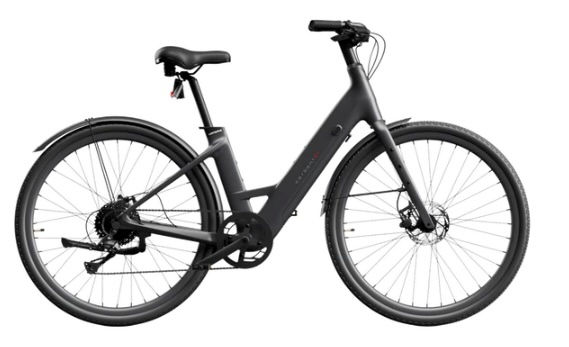
When people compare models, top speed often gets attention first. It sounds exciting, it is easy to understand, and it looks good in a product spec list. But for most daily riders, range is what decides whether an electric bike feels useful in real life. If you are browsing e bikes for sale, the better question is not just how fast it can go, but how far it can take you without stress.
Speed may feel fun for a few minutes, but range affects your whole ride. For commuters, casual riders, students, and weekend explorers, e bikes are often used to replace short car trips, make errands easier, or help riders go farther with less effort.
What E-Bike Range Really Means
Range is more than a number printed on a product page. It is the distance you can ride before the battery needs to be charged again.
Advertised Range Is Based on Ideal Conditions
Most listed range numbers are tested under controlled conditions. Real-world riding is usually different. Hills, rider weight, wind, tire pressure, cargo, road surface, and assist level can all reduce battery life.
For example, a rider using high pedal assist on a hilly route will use more battery than someone riding on flat city streets in a lower assist mode. This is why range should always be viewed as an estimate, not a promise.
Range Creates Riding Confidence
A longer range gives riders peace of mind. You can ride to work, stop for coffee, run an errand, and still have enough battery to get home. That confidence matters more than a slightly higher top speed for most people.
Why Top Speed Matters Less in Daily Riding
Top speed may look impressive, but everyday riding rarely depends on reaching the highest possible speed.
Most Routes Do Not Need Maximum Speed
In many U.S. cities and suburbs, riders deal with bike lanes, traffic lights, stop signs, pedestrians, cars, school zones, and shared paths. These places are not built for constant high-speed riding.
For daily use, smooth acceleration, steady handling, and reliable braking are usually more important than pushing the bike to its limit.
Faster Does Not Always Mean Better
Higher speed can increase risk. It gives riders less time to react, puts more pressure on the brakes, and can make rough pavement feel less stable. It can also drain the battery faster.
For most riders, a comfortable cruising speed is enough. What they really need is a bike that can keep going for the full trip.
Range Makes Commuting Easier
For commuters, range can make the difference between using an electric bike often and leaving it at home.
One Charge Can Cover More of Your Day
A good range lets you handle more than a simple ride to work and back. You might stop at the grocery store, meet a friend after work, or take a longer route to avoid traffic.
When the battery has enough room for extra miles, the bike becomes more flexible. You do not have to plan every ride around a charger.
Less Charging Means Less Hassle
Not everyone has easy charging access. Some riders live in apartments. Others park their bike in a shared storage room or work in places where charging is not convenient.
A longer range reduces the need to charge every day. That makes the bike easier to use as part of a normal routine.
Range Matters for Errands and Weekend Rides
Many riders end up going farther than they expected once they feel comfortable.
Short Trips Can Add Up Quickly
A ride to the store may only be a few miles. But if you add a coffee stop, a park loop, a visit to a friend, and the ride home, the total distance grows fast.
This is where range becomes practical. It supports real-life riding, where plans often change.
Hills and Cargo Use More Battery
Carrying a backpack, groceries, or work gear puts more demand on the motor. Hills and headwinds do the same. Fat tires and rougher roads can also use more energy than smooth pavement.
Extra range gives you a buffer for these conditions. Instead of worrying about the battery, you can focus on the ride.
What Affects Real-World Range
To choose the right electric bike, riders should understand what changes battery performance.
Battery Size and Motor Efficiency
Battery capacity matters, but it is not the only factor. A larger battery can support longer rides, but motor efficiency, bike weight, tire type, and riding mode also play a role.
A well-balanced bike with efficient power delivery can feel more useful than a heavy bike with a big battery but poor efficiency.
Riding Style and Assist Level
The way you ride has a major impact on range. High assist levels, frequent throttle use, quick starts, and fast cruising all drain the battery faster.
Riders who use lower or medium assist can usually stretch the battery much farther. Pedaling consistently also helps improve range.
Weather and Terrain
Cold weather can reduce battery performance. Strong wind can make the motor work harder. Long climbs can drain the battery quickly.
If your route includes hills, rough roads, or colder seasons, it is smart to choose more range than your daily mileage suggests.
How Much Range Most Riders Need
The right range depends on how and where the bike will be used.
Short City Commutes
For short urban rides, a moderate range may be enough. Riders who travel only a few miles each way and can charge easily may not need the longest-range model.
In this case, comfort, weight, frame design, and storage may matter just as much as battery size.
Longer Daily Routes
For longer commutes, range becomes more important. Riders who travel across town, deal with hills, or make multiple stops should look for enough battery to cover the full day with room left over.
A comfortable buffer helps avoid battery anxiety and keeps the bike useful even when plans change.
Heavy Use and Weekend Exploring
Riders who use their electric bike for longer weekend rides, suburban routes, light cargo, or mixed terrain should prioritize range even more. A stronger battery setup can make the bike feel more dependable across different situations.
How to Choose Range Over Speed the Smart Way
Choosing range does not mean ignoring speed completely. It means focusing on what affects daily usability first.
Look at Your Weekly Riding Pattern
Instead of only thinking about one trip, look at your whole week. Add up your commute, errands, casual rides, and weekend plans.
This gives you a more realistic idea of how much battery you need.
Leave a Battery Buffer
Do not choose a bike where the advertised range barely matches your expected route. A 20% to 30% buffer is helpful because real-world conditions are rarely perfect.
This buffer also becomes more useful as the battery ages over time.
Balance Range With Weight and Price
More range can mean a larger battery, more weight, or a higher price. The best choice is not always the biggest battery. It is the range that fits your riding style, storage situation, and budget.
Conclusion
For most riders, range matters more than top speed because it affects how useful an electric bike feels every day. Speed may make a bike seem exciting, but range determines whether you can commute, run errands, take longer routes, and get home without worrying about the battery.
A good electric bike should feel dependable, not just fast. When choosing one, focus on real-world range, your normal routes, charging convenience, and the battery buffer you need for hills, cargo, weather, and unexpected stops. That approach usually leads to a smarter and more practical ride.


