
Why Event Planning Now Starts With the Right Venue
- Feb 1
- 4 min read
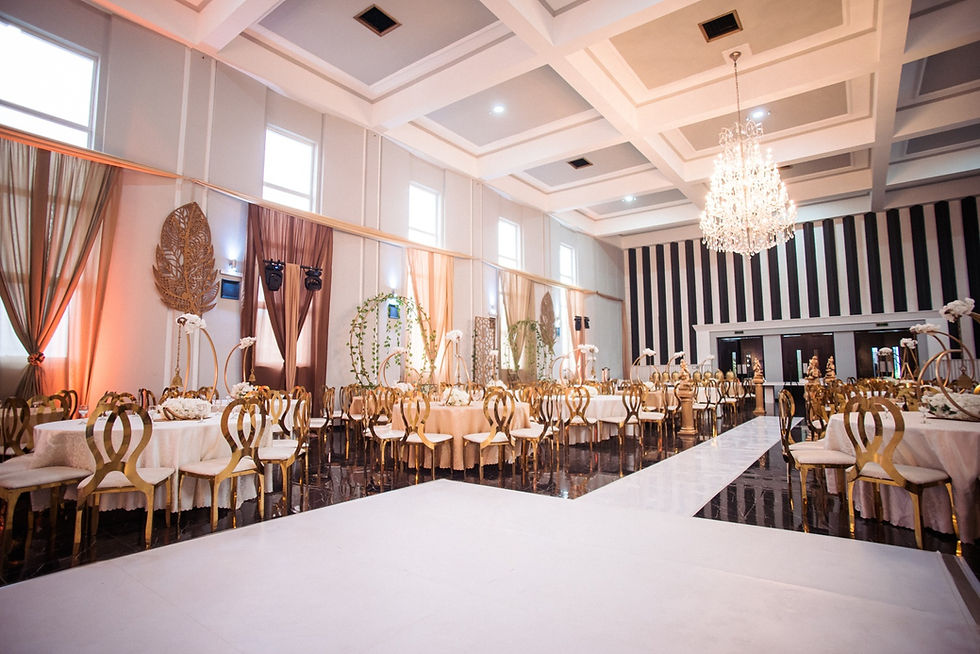
Finding the right setting for an event is often the most time-consuming part of the planning process. While many organizers prioritize the catering or the program flow, the physical environment usually dictates how those elements are received. A venue defines the logistical boundaries and serves as the backdrop for every interaction.
The relationship between a space and its purpose is fundamental to a successful event. If you host a high-stakes board meeting in a cavernous, echoing hall, the sense of intimacy required for decision-making vanishes. Conversely, trying to fit an expansive guest list into a cramped studio creates friction that distracts from the primary message. Selecting a location first allows you to build the rest of your event around a concrete reality rather than a theoretical concept.
Establishing the Atmosphere
The physical layout of a room influences human behavior more than most realize. High ceilings can encourage abstract thinking and creativity, while smaller, more enclosed spaces are better for focused work and detailed discussions. When you select a venue early, you are essentially choosing the mood of your gathering. This decision informs your marketing plan and helps you communicate what attendees should expect.
A location with natural light and open-air access feels different from a basement lounge. One suggests transparency and energy; the other suggests exclusivity and focus. If the venue aligns with the event’s goals, the rest of the planning falls into place. You won't have to work as hard to convince people of the event’s value because the environment does that work for you.
Logistical Practicality and Flow
Logistics are the invisible threads that keep an event together. When you secure a site, you gain immediate clarity on what is possible. For instance, knowing the exact dimensions of a room determines whether you need a complex tent installation for an outdoor overflow or if the existing structure suffices. It also helps you visualize the escort card display or how guests will move from the entrance to the main seating area.
In Australia, particularly in Sydney, venues like The White Horse Tavern functions as spaces that offer a clear example of how layout dictates utility. A multi-level venue allows for a natural progression: perhaps a casual reception on a garden terrace followed by a more formal dinner in a refined dining room. Having these physical boundaries already set makes vendor coordination much simpler because you are providing them with a fixed map rather than a series of 'what-ifs.'
Technical Integration and Support
Modern events rely heavily on technology, and the venue's infrastructure is the foundation for all AV solutions. Waiting too long to pick a spot can lead to expensive last-minute fixes if the room lacks the necessary power outlets, rigging points, or internet bandwidth. Early selection allows you to test the acoustics and see where screens or stages can realistically fit without blocking exits.
Foresight becomes especially important for client entertaining or high-level presentations, where a technical glitch can undermine professional credibility. When the venue is locked in, you can invite your tech team for a site visit to ensure the floor plan allows for online registration kiosks to be hardwired into the network, preventing bottlenecks during the morning rush. Simultaneously, you can verify that the house bandwidth supports a high-definition live stream without lag, removing the technical guesswork from the equation.
Budget and Resource Allocation
Since the venue is typically the largest expense in an event budget, securing it first establishes the 'anchor' for effective budget management. Once the site fee and basic catering costs are known, you can see exactly how much is left for things like high-end decor for a luxury wedding or specialized facilitators for a corporate team building session.
Knowing your capacity also prevents overspending on materials. You won't order more centerpieces than there are tables, and you won't over-hire staff. This clarity extends to travel logistics as well. If the venue is centrally located, you might save on shuttle buses or valet services, allowing you to reallocate those funds toward enhancing attendee engagement through better food or entertainment.

Audience Expectations and Social Presence
Your target audience often judges an event's quality before they even arrive, based solely on the location mentioned in the invitation. A recognizable or prestigious address can drive higher attendance rates and create a sense of anticipation. In corporate settings, professionals are often selective about how they spend their time, making venue choice even more critical.
Furthermore, the aesthetic of the venue plays a massive role in social media visibility. If a space is visually interesting, guests are naturally inclined to share photos, providing organic reach that no paid advertisement can replicate. A well-chosen venue acts as a silent partner in your promotion, creating a 'vibe' that people want to be associated with.
The Bottom Line
Choosing the venue first is a strategic step that simplifies every subsequent decision. From the technical setup to the way guests interact, the physical space is the container for the entire experience. By choosing the right environment early, you ensure that your event is grounded in reality, making it easier to manage, more enjoyable for the guests, and ultimately more successful for the organizers.


