
Why Global Investors Are Looking Beyond Dubai to Saudi Arabia
- Aug 5
- 5 min read
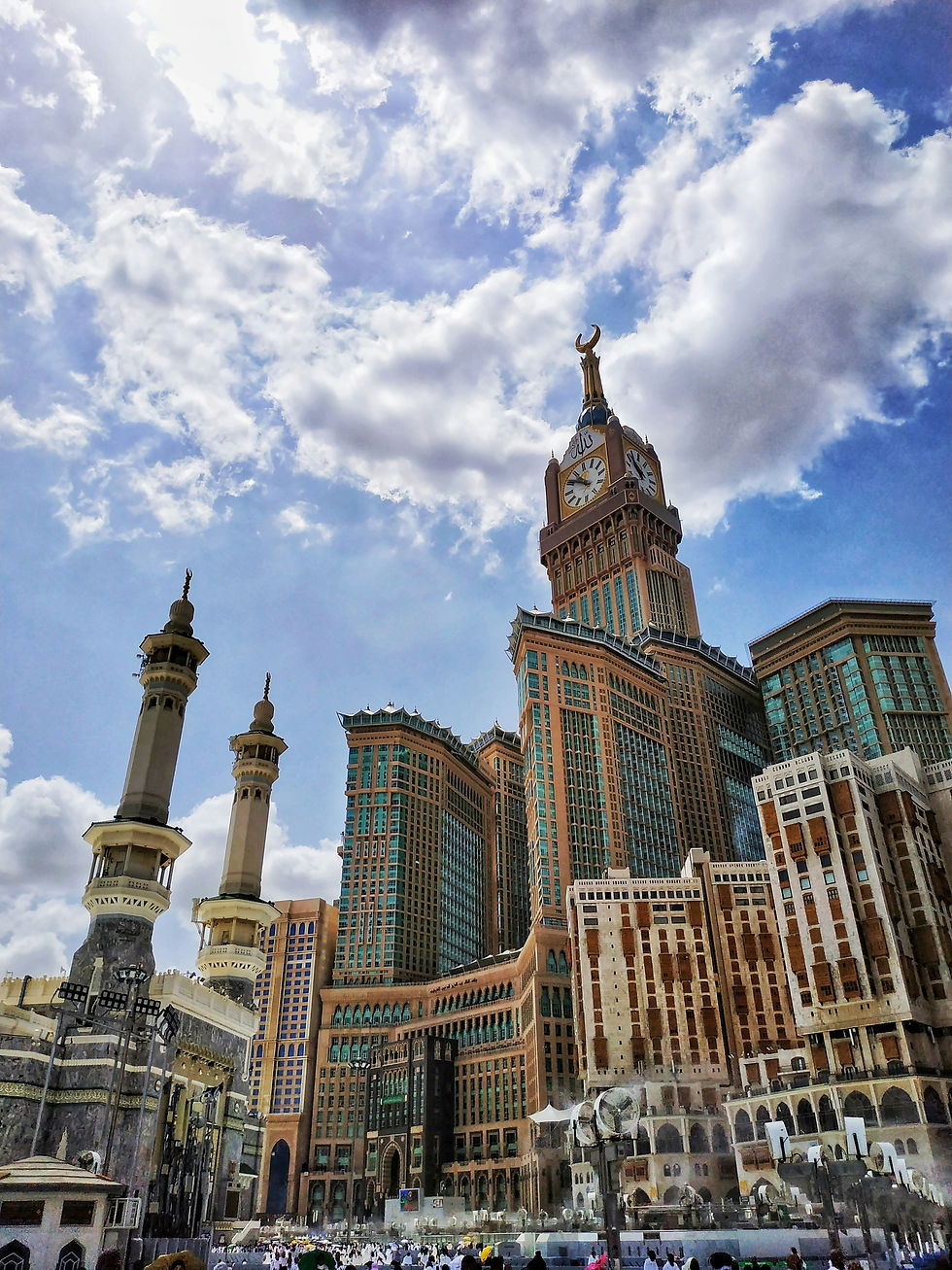
For more than two decades, Dubai has been synonymous with international business in the Middle East. Its modern infrastructure, world-class financial ecosystem, tax-friendly environment, and global connectivity have made it a preferred destination for multinational corporations, entrepreneurs, and investors seeking a gateway to the region.
But the investment landscape is changing.
While Dubai remains one of the world's premier business hubs, an increasing number of global investors are looking beyond the UAE and turning their attention toward Saudi Arabia. Driven by unprecedented economic reforms, trillion-dollar development projects, and an ambitious national transformation strategy, the Kingdom is rapidly becoming one of the most compelling investment destinations in the world.
For investors, the question is no longer whether Saudi Arabia deserves attention—it's how to capitalize on the opportunities emerging across its rapidly evolving economy.
A New Chapter for the Gulf Economy
The Gulf Cooperation Council (GCC) has always been an attractive destination for international business, thanks to its strategic location connecting Europe, Asia, and Africa. However, the balance of investment is beginning to shift.
Saudi Arabia's Vision 2030 has fundamentally changed the country's economic trajectory. Rather than relying primarily on oil revenues, the Kingdom is investing heavily in sectors such as tourism, logistics, manufacturing, healthcare, renewable energy, technology, entertainment, sports, mining, and financial services.
These initiatives are not isolated projects—they represent a long-term strategy to build one of the world's most diversified economies.
For investors seeking sustained growth over the next decade, Saudi Arabia offers opportunities on a scale rarely seen in modern economic history.
Beyond Oil: A Diversified Investment Story
Modern investors are increasingly interested in economies with multiple growth engines rather than dependence on a single industry.
Saudi Arabia has embraced this philosophy by investing billions of dollars into new industries designed to generate long-term economic resilience.
Growth sectors include:
Artificial Intelligence
Smart cities
Renewable energy
Tourism and hospitality
Entertainment
Biotechnology
Digital infrastructure
Advanced manufacturing
Logistics
Financial technology
This diversification is creating opportunities for companies across virtually every major industry.
Mega Projects Are Creating Entire Business Ecosystems
One of the biggest reasons investors are paying attention to Saudi Arabia is the scale of its national development projects.
Unlike traditional infrastructure developments, these projects are creating entirely new cities, tourism destinations, logistics hubs, entertainment districts, and industrial ecosystems.
They require thousands of suppliers across industries including:
Construction
Architecture
Engineering
Information technology
Smart infrastructure
Renewable energy
Transportation
Security
Hospitality
Healthcare
Professional services
For international companies, these developments represent long-term commercial opportunities rather than one-time construction contracts.
Businesses interested in participating can better understand procurement opportunities and industry demand through resources focused on the Saudi Manpower Outsourcing license, which provide valuable insights into the sectors supporting these landmark developments.
Dubai Still Leads—But Saudi Arabia Is Growing Faster
Dubai remains one of the most business-friendly cities in the world.
Its advantages continue to include:
International financial services
Mature legal frameworks
Global aviation connectivity
Highly developed logistics infrastructure
A strong expatriate business community
Established free zones
These strengths make Dubai an excellent location for regional headquarters and international operations.
Saudi Arabia, however, offers something different.
Its appeal lies in the size of its domestic market, ambitious public investment, expanding private sector, and government-backed economic transformation.
For companies targeting long-term revenue growth rather than simply establishing a regional office, Saudi Arabia increasingly represents a compelling opportunity.
Rather than viewing the two markets as competitors, many global organizations now see them as complementary.
Dubai often serves as a regional management and financial hub, while Saudi Arabia becomes the primary market for operational growth and customer expansion.
Choosing the Right Market Depends on Your Strategy
There is no universal answer to whether investors should choose Saudi Arabia or the UAE.
The better question is:
"What are you trying to achieve?"
Businesses focused on international trade, financial services, consulting, or regional coordination may benefit from establishing operations in Dubai.
Companies targeting government projects, large-scale infrastructure, manufacturing, consumer markets, or industrial investment may find greater long-term opportunities in Saudi Arabia.
Each destination offers distinct advantages depending on industry, investment objectives, and growth strategy.
Before making expansion decisions, investors should compare factors such as licensing requirements, operating costs, market size, foreign ownership rules, taxation, and long-term economic outlook. A comprehensive comparison of Saudi vs UAE Market Entry helps businesses evaluate which destination aligns best with their strategic objectives.
Investors Are Following Government Vision
One of the strongest indicators of future economic growth is government commitment.
Saudi Arabia has demonstrated unprecedented commitment through sustained investment across multiple sectors, extensive regulatory reforms, and policies designed to encourage private-sector participation.
Large-scale initiatives are backed by long-term national planning rather than short-term economic stimulus.
For investors, this creates greater confidence that today's opportunities will continue expanding over the coming decade.
Foreign Investment Is Becoming Easier
Historically, some international businesses viewed Saudi Arabia as a challenging market to enter.
Today, the environment has changed considerably.
Ongoing reforms have simplified investment procedures, modernized licensing frameworks, increased transparency, and encouraged greater foreign participation across numerous industries.
Although businesses must still comply with local regulations, the investment process has become significantly more accessible than it was only a few years ago.
This evolution has attracted investors from North America, Europe, and Asia who previously focused primarily on other regional markets.
Local Partnerships Still Matter
While regulations have become more investor-friendly, successful market entry continues to depend on understanding the local business environment.
Companies that build relationships with local stakeholders, industry experts, suppliers, and government agencies often establish stronger foundations for long-term growth.
Business success in Saudi Arabia is driven not only by financial investment but also by trust, cultural understanding, and strategic collaboration.
Sustainability Is Becoming a Core Investment Theme
Modern investment decisions increasingly prioritize sustainability alongside profitability.
Saudi Arabia's long-term development plans include major investments in:
Renewable energy
Green infrastructure
Smart transportation
Environmental innovation
Sustainable tourism
Circular economy initiatives
These priorities are attracting businesses focused on ESG (Environmental, Social, and Governance) objectives while creating new commercial opportunities across emerging industries.
Looking Beyond the Headlines
Media coverage often focuses on headline projects worth billions of dollars.
While these developments are impressive, experienced investors recognize that the greatest opportunities frequently exist within the supporting ecosystem.
Every new city requires:
Technology providers
Logistics companies
Financial services
Legal advisors
Healthcare providers
Hospitality businesses
Engineering firms
Marketing agencies
Educational institutions
Professional consultants
For many international businesses, supplying these ecosystems can be more profitable than participating directly in flagship projects.
The Future of Investment in the Gulf
The Gulf is entering one of the most significant periods of economic transformation in its history.
Dubai will undoubtedly remain one of the world's premier business destinations, continuing to attract entrepreneurs, multinational corporations, and international investors.
At the same time, Saudi Arabia is emerging as a powerful engine of regional growth, offering opportunities defined by market scale, ambitious national development, and sustained government investment.
Rather than choosing between the two, forward-thinking investors increasingly view them as complementary markets within a broader regional strategy.
Final Thoughts
The conversation around investment in the Middle East has evolved. While Dubai continues to offer exceptional advantages as a global business hub, Saudi Arabia is reshaping the region's investment landscape through unprecedented economic transformation and large-scale development initiatives.
For investors seeking long-term growth, expanding industries, and participation in one of the world's most ambitious economic programs, the Kingdom presents opportunities that extend far beyond traditional sectors.
The most successful organizations will be those that evaluate both markets strategically, understand their unique strengths, and position themselves where future growth is expected to be greatest. In today's Gulf economy, success is no longer about choosing one destination over another—it's about building a strategy that leverages the best opportunities each market has to offer.


