
Why Shared Buildings Need More Than a Reactive Maintenance Approach
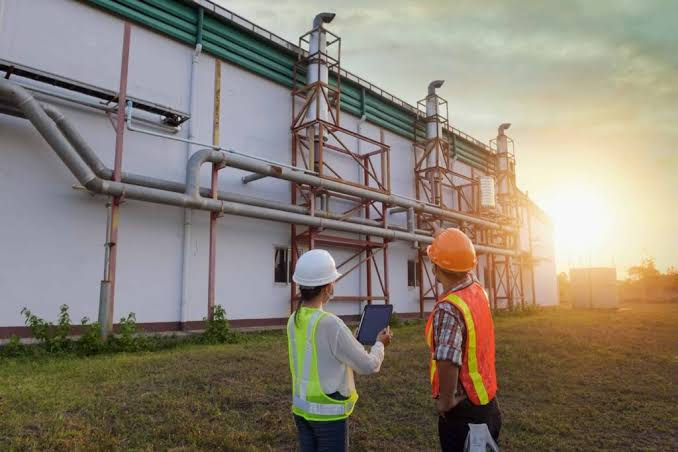
Shared buildings need regular attention. Apartment blocks, commercial premises and managed properties all rely on systems that should work quietly in the background every day. Fire alarms, AOV systems, emergency lighting, access control, electrical installations and security equipment may not always be visible, but they play an important role in keeping buildings safe and functional.
The problem is that maintenance is often treated reactively. Something fails, a resident complains, a contractor is called and the issue is fixed. That approach may deal with the immediate problem, but it does not always protect the building properly long term.
Planned maintenance is usually far more effective because it helps identify issues early, keep records up to date and reduce the chance of avoidable disruption.
Reactive Maintenance Can Feel Cheaper at First
It is easy to understand why some building owners only act when something goes wrong. Paying for inspections, servicing and planned checks can feel like an extra cost, especially when systems appear to be working.
But reactive maintenance can become expensive quickly. A small fault may turn into a bigger repair. A missed service may lead to compliance gaps. A faulty access system may create resident frustration. A failed emergency light or fire safety component may create unnecessary risk.
Waiting until something breaks can also mean problems are dealt with under pressure rather than planned properly.
Essential Systems Need Regular Checks
Shared buildings often contain several systems that need routine inspection and maintenance. These may include fire alarms, smoke ventilation, emergency lighting, electrical systems, access control, CCTV, intercoms and security doors.
These systems are used differently from those in a single private home. They may serve multiple residents, tenants, staff members or visitors. They may also form part of a building’s safety strategy.
Because of this, they should not be left unchecked for long periods. Regular maintenance helps confirm that key systems are still working as intended.
Small Faults Can Affect Many People
In a shared building, one small fault can affect several households or businesses. A broken entry system may inconvenience every resident. Poor communal lighting can make hallways or car parks feel unsafe. A faulty alarm panel may create confusion or repeated callouts.
These issues can quickly turn into complaints for managing agents or landlords.
Planned maintenance does not prevent every problem, but it can reduce the likelihood of recurring faults and help issues get spotted before they cause wider disruption.
Fire Safety Should Never Be Left to Chance
Fire safety systems need particular attention because they are there for emergencies. Fire alarms, AOVs and emergency lighting may not be used every day in the way a door entry system is, but they need to work properly when required.
A reactive approach is risky because faults may not become obvious until testing, servicing or an actual emergency reveals them.
Regular checks help make sure safety systems remain reliable. They also provide important records showing that the building is being managed responsibly.
Access and Security Systems Shape Resident Confidence
Residents may judge the quality of building management by everyday details. If the entry system works, doors close properly, lighting is reliable and communal areas feel secure, the building feels better managed.
If access control fails repeatedly or security issues are ignored, confidence can fall quickly.
For managing agents responsible for shared buildings, working with a provider such as BLEC Group fire and security can help keep essential safety and access systems properly maintained.
Planned Maintenance Supports Better Budgeting
Reactive repairs can be unpredictable. When faults happen suddenly, managing agents may have to arrange urgent callouts, approve unexpected costs and explain delays to residents or clients.
Planned maintenance gives better visibility. If systems are checked regularly, likely issues can be identified earlier and repairs can be planned more sensibly.
This can make budgeting easier and reduce the number of emergency situations where decisions have to be made quickly.
Records Are Easier to Keep Updated
Good maintenance is not only about the physical work. Documentation matters too.
Service reports, test records, certificates, remedial recommendations and completion notes may all be needed for property files, insurers, leaseholders, freeholders or auditors.
When maintenance is planned, records are usually easier to keep organised. There is a clearer schedule, a clearer history of visits and a better understanding of what has been completed.
Planned Checks Reduce Stress for Managing Agents
Managing agents often deal with several properties at once. Each building may have different systems, contractors, access arrangements and resident expectations.
A purely reactive approach can make this harder. Instead of following a clear schedule, the managing agent is constantly responding to issues as they appear.
Planned maintenance creates more structure. It helps reduce firefighting, improves communication and makes it easier to show that essential systems are being looked after.
Prevention Is Usually Better Than Urgency
Some issues are unavoidable, but many can be reduced with routine attention. Loose connections, worn components, dirty detectors, ageing batteries, damaged fittings and access faults can often be identified before they become serious.
Preventive maintenance gives building managers more control. It allows work to be prioritised rather than rushed.
This is especially important in buildings where safety, access and resident confidence are all connected.
Final Thoughts
Shared buildings need more than a reactive maintenance approach because too many people rely on the systems inside them. Fire alarms, AOVs, emergency lighting, electrical installations, access control and security equipment all need to work consistently.
Waiting for faults can lead to higher costs, more complaints and avoidable risk. Planned maintenance helps keep systems reliable, records organised and property managers better prepared.
For residents, the result is a building that feels safer and better managed. For managing agents, it means fewer surprises and a clearer way to stay on top of essential responsibilities.


