
Why USDA Organic CBD Matters: What Joy Organics Gets Right in 2026
- Jul 14
- 7 min read
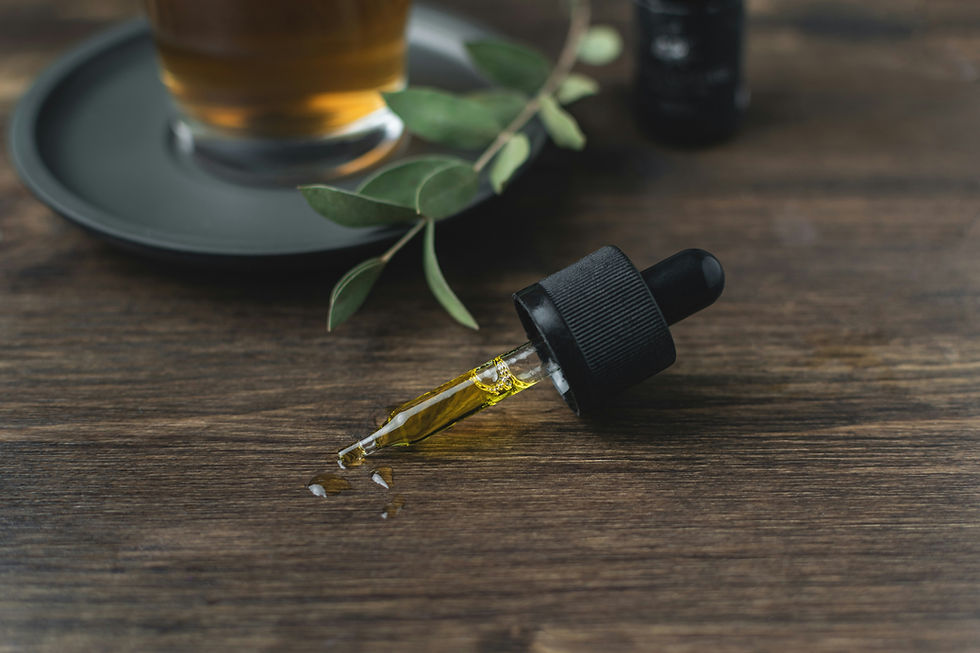
Finding a quality CBD product is more complicated than it should be. With hundreds of brands competing for attention, terms like "natural," "premium," and "pure" appear on nearly every label, making it difficult to know which products actually meet higher quality standards.
One certification that stands out is the USDA Organic seal, which follows strict federal guidelines for farming, processing, and ingredient sourcing. Among the brands that have built their reputation around transparency and quality, Joy Organics has become a well-known name for consumers looking for organically produced CBD products.
Rather than relying on marketing claims alone, the company emphasizes certified organic ingredients, third-party testing, and clear product information that helps shoppers make informed decisions. This guide explains why USDA Organic certification matters, what it says about a CBD product, and how Joy Organics incorporates these standards into its manufacturing process.
Why USDA Organic Certification Is Important for CBD
Not every CBD product labeled as "organic" has earned USDA Organic certification. In the United States, the USDA Organic seal can only be used by products that satisfy detailed requirements established by the United States Department of Agriculture. These standards cover far more than the hemp plant itself. They evaluate multiple stages of production, including:
Hemp cultivation practices
Soil management
Approved farming inputs
Ingredient sourcing
Processing methods
Manufacturing practices
Recordkeeping and inspections
For consumers, this certification provides additional confidence that the product has been produced according to recognized organic standards rather than relying solely on marketing language.
Organic CBD vs. "Natural" CBD
One of the biggest misconceptions in the CBD industry is that "natural" and "organic" mean the same thing. They do not. Here's a simple comparison:
Organic CBD | Natural CBD |
Verified through USDA standards | No standardized legal definition |
Subject to inspections | May not undergo third-party certification |
Strict ingredient requirements | Ingredients vary by manufacturer |
Certification can be verified | Often relies on marketing language |
Many CBD products describe themselves as natural because hemp is a naturally occurring plant. However, without third-party certification, there is no consistent standard governing how those products were grown or processed.
What Makes Joy Organics Different?
Joy Organics has positioned itself around quality, transparency, and organic manufacturing rather than simply offering another CBD product line. Several characteristics distinguish the company from many competitors.
USDA Certified Organic Products
Joy Organics offers a selection of USDA Certified Organic CBD products, including certain tinctures and gummies. This certification reflects compliance with federal organic standards for qualifying products rather than a general marketing claim applied across the brand. For shoppers who prioritize certified organic ingredients, this provides an additional layer of confidence when selecting CBD.
Hemp Sourced in the United States
The company uses hemp grown on U.S. farms that follow regulated agricultural practices. American-grown hemp benefits from federal oversight under current hemp regulations, and sourcing domestically allows companies to maintain greater visibility throughout cultivation and harvesting. Knowing where hemp comes from is important because the plant naturally absorbs compounds from the soil in which it grows.
Broad Spectrum and Full Spectrum Options
Different consumers have different preferences regarding THC. Joy Organics offers products in both broad spectrum and full spectrum formulations.
Broad Spectrum CBD
Broad spectrum CBD contains multiple cannabinoids and beneficial plant compounds while removing detectable THC from the finished product. This option appeals to people who prefer to avoid THC while still seeking additional hemp-derived compounds beyond CBD isolate.
Full Spectrum CBD
Full spectrum products retain a wider range of naturally occurring cannabinoids, including federally compliant trace amounts of THC (less than 0.3% by dry weight in accordance with U.S. law).
Choosing between these formulations depends on personal preferences, wellness goals, and individual circumstances.
Third-Party Lab Testing Builds Consumer Confidence
One of the most important indicators of CBD quality is independent laboratory testing. Reputable brands submit products to accredited third-party laboratories that analyze:
Cannabinoid content
THC levels
Heavy metals
Pesticides
Residual solvents
Microbial contaminants
Joy Organics publishes Certificates of Analysis (COAs) that allow customers to review laboratory results before making a purchase. This level of transparency helps verify that the product matches its labeled cannabinoid content and has been screened for potential contaminants. For first-time CBD buyers, checking a Certificate of Analysis is one of the best habits to develop.
Ingredient Transparency Matters
CBD is only one part of the final product. Carrier oils, flavorings, sweeteners, botanical extracts, and other ingredients all contribute to the overall formulation. Joy Organics clearly lists ingredients for its products, allowing customers to understand exactly what they're purchasing. This transparency can be especially valuable for people who:
Follow organic lifestyles
Avoid artificial additives
Have dietary preferences
Check products for allergens
Prefer minimal ingredient formulations
The fewer surprises on the label, the easier it becomes to make informed purchasing decisions.
Popular Joy Organics Product Categories
Instead of focusing on one product, Joy Organics offers several categories designed to accommodate different consumer preferences.
CBD Gummies
CBD gummies remain one of the brand's most popular product formats because they offer:
Pre-measured servings
Convenient portability
Familiar flavors
No measuring required
They are often preferred by people who want an easy addition to their daily wellness routine.
CBD Oils and Tinctures
CBD oils continue to be among the most versatile delivery methods. Customers appreciate tinctures because they allow flexible serving sizes while offering straightforward ingredient lists. Many users choose oils as their introduction to CBD due to their simplicity and ease of use.
Softgels
Softgels provide another convenient option for people who prefer capsules over oils or gummies. Because each capsule contains a consistent amount of CBD, they eliminate guesswork when following a routine.
Topicals
Joy Organics also offers topical CBD products formulated for external application. Creams, salves, and similar products appeal to consumers looking for targeted application without ingesting CBD.
How USDA Organic Standards Support Quality
Organic certification is not simply about avoiding synthetic pesticides. It reflects an approach to production that emphasizes:
Responsible farming practices
Carefully selected ingredients
Ongoing inspections
Traceability
Documented manufacturing procedures
These standards contribute to greater consistency throughout the production process. While organic certification does not guarantee that one CBD product will work better than another for every individual, it does provide consumers with an independently verified benchmark when comparing brands.
What to Look for When Buying CBD
Even if you ultimately choose a different brand, evaluating CBD products using objective criteria can help you make a more informed purchase. Ask yourself the following questions:
Is the hemp source clearly identified?
Are third-party lab reports available?
Does the company explain its manufacturing process?
Are ingredient lists easy to understand?
Does the product carry recognized certifications, such as USDA Organic, where applicable?
Are cannabinoid concentrations clearly labeled?
Brands that provide detailed answers to these questions often demonstrate a stronger commitment to transparency than those relying primarily on promotional claims.
Why Joy Organics Appeals to Organic-Conscious Consumers
Consumers who prioritize organic foods, clean-label supplements, and natural personal care products often expect the same level of transparency from their CBD purchases. Joy Organics aligns with those expectations by emphasizing ingredient quality, manufacturing standards, and independent verification instead of relying solely on marketing language. Several aspects of the brand contribute to its reputation:
USDA Certified Organic options within its CBD lineup
Hemp sourced from U.S. farms
Third-party laboratory testing for every batch
Clear ingredient labels
Multiple CBD formats for different preferences
Broad spectrum and full spectrum choices
Accessible Certificates of Analysis (COAs)
These practices make it easier for consumers to understand what they're buying before placing an order.
Common Mistakes to Avoid When Buying CBD
The CBD market has expanded rapidly, but not every product offers the same level of quality or transparency. Avoiding a few common mistakes can help you choose products with greater confidence.
Choosing Based Only on Price
Lower-priced CBD products may seem like a bargain, but quality hemp cultivation, extraction, testing, and certification all add to production costs. Comparing products solely by price can overlook important differences in manufacturing standards.
Ignoring Third-Party Testing
A Certificate of Analysis should be one of the first things you look for. Independent lab reports verify cannabinoid content and screen for contaminants, giving you more confidence in what's inside the bottle or package.
Not Understanding CBD Types
Broad spectrum, full spectrum, and CBD isolate each offer different cannabinoid profiles. Reading the product description carefully helps ensure you're selecting a formulation that matches your preferences.
Overlooking Ingredient Lists
CBD is only one component of a finished product. Carrier oils, sweeteners, flavors, botanical extracts, and other ingredients may influence your purchasing decision, especially if you follow a specific diet or have allergies.
Assuming Every "Organic" Claim Is Certified
Some products describe themselves as organic or naturally sourced without holding USDA Organic certification. If certification is important to you, look for the official USDA Organic seal on eligible products rather than relying on general marketing terms.
Is USDA Organic CBD Worth the Extra Cost?
For many shoppers, the answer comes down to priorities. USDA Organic certification requires compliance with detailed agricultural and manufacturing standards, regular inspections, and documented production practices. These requirements often increase production costs, which may be reflected in the retail price. If you value:
Certified organic ingredients
Independent verification
Transparent sourcing
High manufacturing standards
Clear labeling
then paying a premium for USDA Organic CBD may be worthwhile.
On the other hand, if certification is less important than factors such as flavor, potency, or product format, many quality CBD options may better fit your budget. The key is to evaluate each product based on objective criteria rather than marketing claims.
Final Thoughts
Choosing a CBD product is about more than comparing strengths or flavors. Understanding how hemp is grown, how products are manufactured, and how quality is verified can make a significant difference in your purchasing decision.
USDA Organic certification provides an additional level of assurance by confirming that qualifying products meet recognized federal standards for organic production. Combined with transparent ingredient lists and independent laboratory testing, these standards help consumers evaluate products more confidently.
Joy Organics stands out by incorporating these quality-focused practices into its product lineup. Rather than asking customers to rely on advertising alone, the company provides information about its sourcing, manufacturing, and testing processes, allowing buyers to make informed decisions.
Whether you're new to CBD or looking to switch brands, focusing on transparency, verified testing, and recognized certifications is a practical way to identify products that align with your quality expectations.
Frequently Asked Questions
1. What does USDA Organic mean for CBD products?
USDA Organic certification indicates that qualifying CBD products meet federal standards for organic farming, ingredient sourcing, and manufacturing. It also requires ongoing inspections and compliance with USDA regulations.
2. Does Joy Organics offer THC-free CBD?
Yes. Joy Organics offers broad-spectrum CBD products that are formulated without detectable THC, along with full-spectrum options that contain federally compliant trace amounts of THC.
3. How can I verify the quality of a CBD product?
Look for third-party Certificates of Analysis (COAs), transparent ingredient lists, information about hemp sourcing, and recognized certifications such as USDA Organic where applicable.
4. Why is third-party lab testing important?
Independent laboratory testing confirms cannabinoid content and screens for contaminants such as heavy metals, pesticides, residual solvents, and microbes. This helps ensure product accuracy and transparency.
5. Is organic CBD better than regular CBD?
Organic certification doesn't necessarily make a CBD product more effective, but it does verify that qualifying products meet strict standards for farming and production. Many consumers choose organic CBD because they value certified ingredient quality and manufacturing transparency.


