
Clermont dryer repair tips every homeowner should know before calling a technician
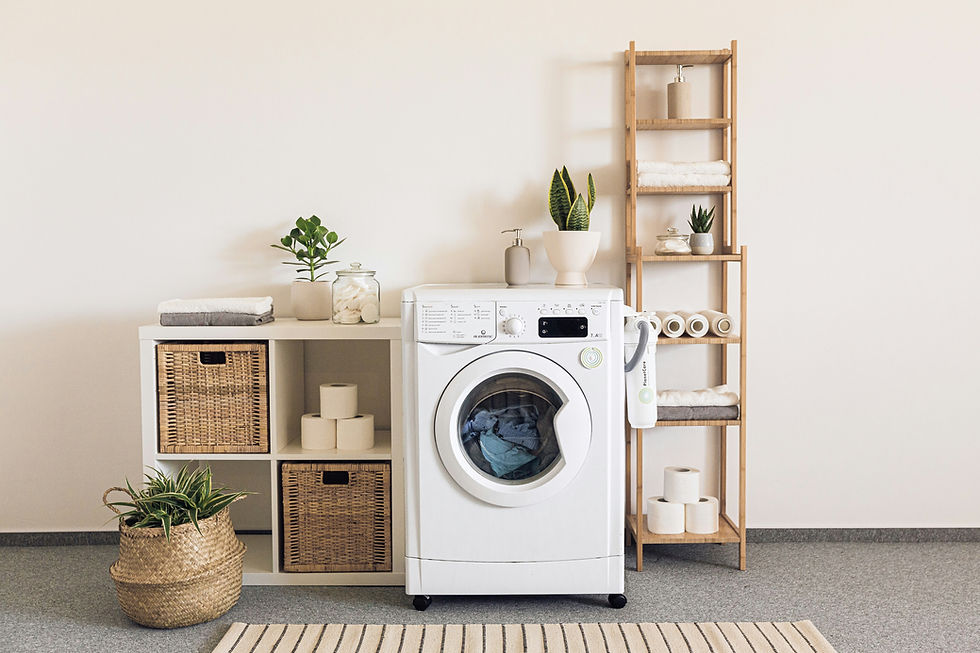
Clermont dryer repair usually becomes urgent at the worst possible time, like when a full load of school clothes, work shirts, or towels comes out damp after a full cycle.
I have seen homeowners panic when the dryer stops heating, starts thumping, or takes two hours to dry a normal load.
Most of the time, the problem gives you warning signs before it fully breaks down.
The key is knowing what those signs mean before you call for help.
If your dryer is not heating, taking too long, making loud noises, or shutting off mid-cycle, it may be time to schedule Clermont dryer repair.
Why your dryer problem may not be as serious as it looks
A dryer that suddenly stops working can feel like a major appliance failure.
In many homes, though, the issue starts with airflow.
One homeowner noticed her dryer ran for 70 minutes, but the clothes still felt warm and damp.
She assumed the heating element had failed.
After checking the lint screen, outside vent, and flexible duct, the real issue was a clogged vent packed with lint.
The dryer was producing heat, but the moist air had nowhere to go.
That small blockage made the machine work harder, raised the drying time, and created a fire risk.
Before assuming the worst, always check the basics.
Clean the lint trap after every load.
Look behind the dryer for a crushed or kinked vent hose.
Go outside while the dryer is running and check if warm air is blowing strongly from the exterior vent.
Weak airflow often points to a clogged vent, blocked duct, or internal lint buildup.
Common signs your dryer needs professional attention
Clothes stay damp after one full cycle
This is one of the most common dryer complaints.
If jeans, towels, or bedding still feel damp after a normal cycle, the dryer may have poor airflow, a weak heating element, a faulty thermostat, or a clogged vent.
Start with load size.
A packed drum cannot tumble properly.
Hot air needs room to move through the fabric.
If the load size is normal and the issue keeps happening, the dryer may need service.
The dryer gets hot but does not dry well
This problem can trick people.
The drum feels hot.
The clothes feel warm.
But moisture remains trapped inside the fabric.
That usually means air is not moving correctly.
Dryers need heat and airflow.
Heat alone does not dry clothes efficiently.
A blocked exhaust vent can also cause the dryer cabinet to feel hotter than normal.
That is not something to ignore.
Overheating can damage internal parts and increase the chance of lint ignition.
The dryer makes banging, squealing, or grinding sounds
A little humming is normal.
Banging, scraping, squealing, or grinding is not.
A thumping sound may come from worn drum rollers.
A sharp squeal may point to a bad belt, pulley, or bearing.
A scraping noise may mean something is stuck near the drum seal.
I once saw a dryer making a steady scraping sound because a small metal zipper pull had slipped into the front drum gap.
That was a simple fix.
But the same sound can also come from worn mechanical parts.
If the noise gets louder with each cycle, stop using the dryer until it is checked.
The dryer shuts off before the clothes are dry
A dryer that stops early may be overheating.
It may also have a faulty thermal fuse, door switch, motor, moisture sensor, or control board.
Some newer dryers shut down when sensors detect a safety issue.
That can be frustrating, but it may prevent bigger damage.
Do not keep restarting the dryer over and over.
Repeated overheating can turn a small repair into a larger one.
What to check before calling a technician
Check the lint trap and vent path
Start with the easiest step.
Remove the lint screen and clean it fully.
Then wash it with warm water and mild soap if it has residue from dryer sheets.
A lint screen can look clean but still have a thin film that blocks airflow.
Next, inspect the vent hose behind the dryer.
Make sure it is not crushed, twisted, or packed with lint.
If the dryer is pushed too close to the wall, the hose can flatten and restrict airflow.
That one simple issue can make a good dryer act like a broken one.
Test the outlet and breaker
Electric dryers need strong power to run and heat.
Sometimes the drum turns, but the heating side does not work because one side of the breaker has tripped.
Check your electrical panel.
Turn the dryer breaker fully off, then back on.
For gas dryers, confirm the gas valve is open.
Never force gas connections or disassemble gas lines yourself.
If you smell gas, stop using the dryer and contact the proper utility or emergency service.
Look at the load size and fabric type
Heavy towels, blankets, and comforters take longer to dry.
That does not always mean the appliance is broken.
Try a smaller load.
Separate heavy fabrics from light fabrics.
Do not mix thick towels with thin shirts and expect even drying.
If smaller loads dry normally, the issue may be loading habits rather than a mechanical failure.
If every load dries poorly, the appliance likely needs attention.
Dryer parts that often fail
Heating element
In electric dryers, the heating element creates the heat needed to dry clothes.
When it fails, the drum may still spin, but the air stays cool.
A weak element may also heat inconsistently.
This part should be tested properly before replacement.
Guessing can waste money.
Thermal fuse
The thermal fuse is a safety part that shuts the dryer down when temperatures get too high.
If it blows, the dryer may stop running or stop heating.
A blown fuse is often a symptom, not the root problem.
Clogged vents and overheating commonly cause it.
Replacing the fuse without fixing airflow can lead to the same failure again.
Thermostat or thermistor
These parts help regulate dryer temperature.
When they fail, the dryer may overheat, underheat, or cycle strangely.
You may notice clothes come out too hot, still damp, or unevenly dried.
Temperature control issues should be diagnosed carefully because several parts can create similar symptoms.
Belt, rollers, and pulley
These parts help the drum spin smoothly.
A broken belt can stop the drum from turning.
Worn rollers can create rumbling or thumping.
A bad pulley can cause squealing.
These are common wear items, especially in dryers used several times a week.
Why fast dryer service matters in Clermont homes
Dryers work hard in busy households.
Families with kids, pets, uniforms, gym clothes, and bedding often run multiple loads each week.
When the dryer slows down, laundry piles up quickly.
Long drying times also use more energy.
A cycle that should take 45 minutes may stretch past 90 minutes.
That adds wear to the appliance and raises utility costs.
Clermont’s warm, humid weather can also make laundry problems feel worse.
Damp towels and clothes can develop musty odors when they sit too long.
A dryer that works correctly helps prevent that stale smell and keeps laundry moving.
When you should stop using the dryer
Stop using the dryer if you smell burning.
Stop using it if the machine gets unusually hot.
Stop using it if you hear grinding, scraping, or loud banging.
Stop using it if the breaker keeps tripping.
Stop using it if the dryer shuts off repeatedly before the cycle ends.
These are not small annoyances.
They can point to overheating, electrical issues, motor strain, or worn internal parts.
A dryer is convenient, but it also uses heat, electricity, moving parts, and sometimes gas.
Safety matters.
How to explain the problem clearly to a repair technician
The better you describe the issue, the faster the diagnosis usually goes.
Write down what the dryer is doing.
Mention whether the drum spins.
Mention whether it heats.
Mention whether clothes are damp, hot, cold, or partly dry.
Mention any sounds, smells, error codes, or recent changes.
For example, saying “the dryer is broken” is vague.
Saying “the drum spins, the air gets warm, but towels are still damp after 80 minutes” is much more helpful.
That points the technician toward airflow, venting, sensors, or heating performance.
Also mention the dryer brand, age, and model number if you can find it.
The model tag is often inside the door frame or on the back panel.
Simple habits that help prevent dryer breakdowns
Clean the lint screen after every load.
Do not overload the drum.
Keep the area behind the dryer clear.
Check the outside vent flap every few weeks.
Avoid running the dryer when you are away from home.
Schedule vent cleaning if drying times keep increasing.
Pay attention to new sounds before they become loud sounds.
Small habits can extend the life of the dryer and reduce repair costs.
A dryer rarely fails without warning.
It usually gets louder, hotter, slower, or less consistent first.
Final thoughts before calling for dryer service
A dryer that stops heating or takes too long to dry does not always need replacement.
Many problems come from blocked airflow, worn parts, or simple electrical issues.
Start with the lint trap, vent hose, breaker, and load size.
Then look at the warning signs.
If the problem continues, a trained appliance technician can test the parts safely and find the real cause.
The goal is not just to get the dryer running again.
The goal is to make it dry clothes safely, quickly, and consistently without wasting energy or risking damage.


