
Halo Extensions Safety Guide 2026: What Stylists Recommend for Low-Tension Summer Wear
Editorial Lead
Halo extensions have quietly become one of the most recommended extension methods for people concerned about tension, scalp sensitivity, or long-term hair integrity.
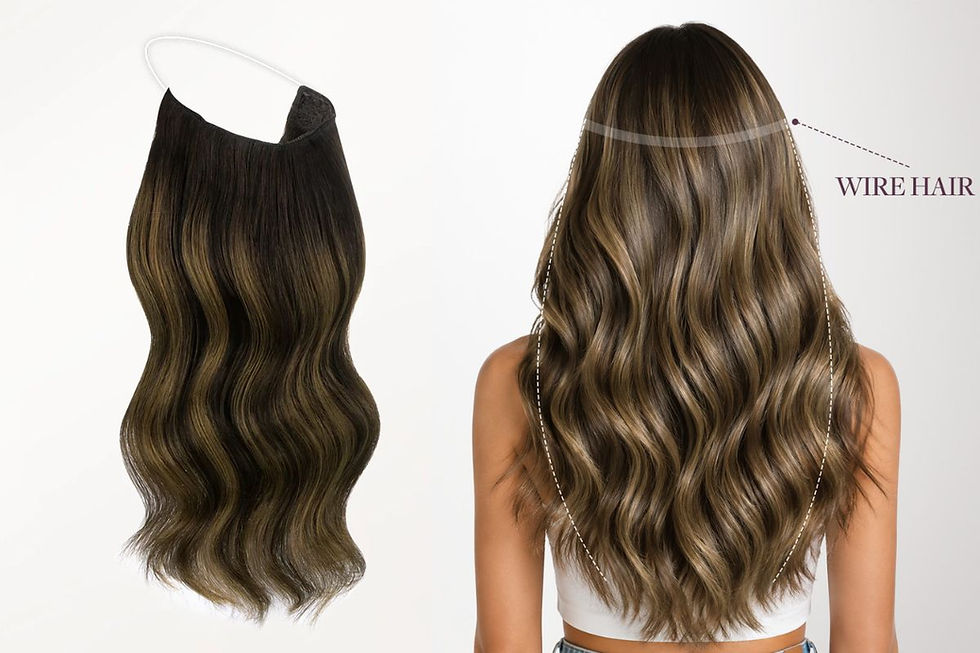
Unlike tape-ins, sew-ins, or keratin bonds, halo systems do not rely on glue, heat, braiding, or multiple attachment points across the scalp. Instead, a transparent wire distributes weight around the crown area, allowing the extensions to sit more like an accessory than a permanent attachment.
That low-tension structure has made halo extensions especially popular during summer, when heat, humidity, sweat, and increased styling frequency can amplify stress on both the scalp and natural hair.
Across salons and editorial styling circles, halos are increasingly viewed not as a “beginner” method, but as one of the gentlest options for achieving temporary volume and length without committing to continuous tension wear.
Why Halo Extensions Are Considered One of the Safest Methods
The defining feature of halo extensions is that they avoid direct anchoring to individual hair strands.
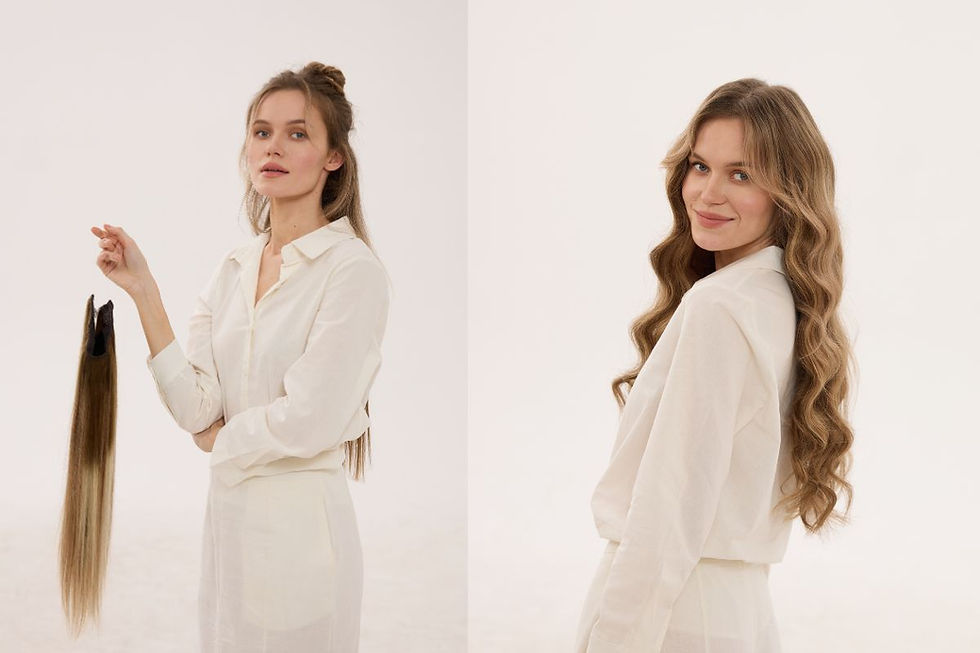
Traditional methods such as tape-ins, fusion bonds, and sew-ins depend on attachment points fixed to the scalp or natural hair. Halo systems work differently. A single weft connects to a thin transparent wire that rests around the crown while the wearer’s natural hair covers the band.
Because the weight is distributed broadly rather than concentrated at multiple root points, halos create significantly less localized tension.
This becomes particularly important for:
Fine or fragile hair
Thinning hair concerns
Sensitive scalps
Summer wear with increased sweating and scalp friction
Users recovering from over-processing or heat damage
Many stylists now position halo systems as one of the lowest-commitment extension methods available for everyday beauty wear.
Why Summer Changes the Way Extensions Behave
Warm weather affects extension wear more than most people realize.
Heat and humidity increase scalp oil production and sweat levels, which can create friction at attachment points and increase tangling throughout the day. Long outdoor wear, beach trips, festivals, and travel routines also expose hair to UV damage, saltwater, chlorine, and constant movement.
For bonded extension systems, this environment can accelerate adhesive breakdown or increase tension at weakened areas.
Halo systems tend to adapt better to seasonal wear because they are removable, lightweight, and non-adhesive. They can be taken off before swimming, workouts, or sleeping, allowing the scalp and natural hair to recover daily.
That flexibility is one reason many stylists recommend halos as a lower-stress alternative during summer months, especially for people who do not want the maintenance cycle of semi-permanent methods.
When Halo Extensions Can Still Cause Damage
Although halos are widely considered low-risk, they are not entirely tension-free.
Most issues arise from incorrect sizing, excessive weight, or poor wear habits rather than the halo structure itself.
Common causes of halo-related stress include:
Choosing a weft that is too heavy for your natural density
Wearing the wire too tightly against the scalp
Positioning the halo too low near the occipital area
Sleeping or exercising in the extensions
Aggressive brushing or rough removal
Wearing oversized lengths in high heat for extended periods
Persistent soreness, headaches, or tenderness around the crown area are signs the fit should be adjusted immediately.
Stylists generally emphasize that halo extensions should feel almost unnoticeable within minutes of wear. Any lingering discomfort usually indicates excessive tension or improper placement.
What Stylists Look for in a Low-Tension Halo System
Modern halo systems differ less in concept and more in engineering refinement.
When evaluating halos for fine hair or summer wear, stylists typically prioritize:
Lightweight construction that minimizes downward pull
Adjustable transparent wire systems for customized fit
Thin weft bases that sit flat against the head
100% Remy human hair for reduced tangling and friction
Balanced weight distribution across the crown
Optional support clips rather than mandatory clip-heavy construction
For finer or sensitivity-prone hair, many professionals recommend staying below the heavier density ranges often marketed for dramatic transformations.
The current industry trend leans toward softer, lighter systems designed for realistic movement and long-day comfort rather than maximum volume at all costs.
Editorial Brand Landscape: How Stylists View Halo Systems
Rather than ranking halo brands by “best performance,” stylists typically evaluate them based on wear philosophy and intended user experience.
Salon-guided halo systems
Brands such as HaloCouture are often associated with professional fitting environments and density customization intended to optimize comfort and placement precision.
Lightweight lifestyle-focused systems
Brands such as GOO GOO Hair represent a growing segment of lightweight, lifestyle-focused halo systems designed for comfortable everyday wear. Their designs emphasize adjustable wire construction, soft 100% Remy human hair, and reduced crown pressure to support longer wear sessions and natural movement without the heaviness associated with traditional high-density extensions.
Education-first consumer systems
Luxy Hair is frequently recognized for its detailed tutorials and beginner-friendly guidance that help reduce user error during fitting and care.
Each system represents a different balance between customization, styling versatility, and wear convenience.
How to Choose the Right Halo Weight for Your Hair Type
One of the most overlooked safety factors is weight selection.
Fine or thinning hair generally performs best with lightweight halos that prioritize blend and movement over dramatic density. Heavier wefts may create unnecessary pressure around the crown and increase tangling during hot-weather wear.
Medium-density hair can usually tolerate moderate weight ranges comfortably, while thicker hair types often focus more on achieving a seamless visual blend than on tension concerns.
For damaged or recovering hair, stylists typically recommend limiting halo use to occasional wear until hair strength improves.
Summer styling also influences ideal weight choice. Lighter halos tend to feel significantly more comfortable during long outdoor days, travel, humidity, and elevated temperatures.
Summer Wear Tips Stylists Recommend
Warm-weather extension care is largely about reducing friction, heat stress, and unnecessary wear duration.
Professional recommendations often include:
Removing halos before swimming or workouts
Avoiding overnight wear completely
Brushing gently before and after outdoor activity
Using UV-protective hair products on both natural hair and extensions
Choosing lighter density halos for vacation or festival styling
Wearing loose summer hairstyles that reduce pulling at the crown
Many stylists also recommend rotating “extension-free days” throughout the week to allow the scalp and natural hair to fully relax between wears.
Halo Extensions vs Other Methods for Summer
From a seasonal wear perspective, halo systems occupy a unique category.
Tape-ins may struggle with sweat, sunscreen, and adhesive exposure in extreme heat
Sew-ins can feel heavier and less breathable during humid conditions
Fusion bonds require longer-term commitment during active summer routines
Clip-ins remain flexible but may create repeated tension at multiple grip points
Halo systems avoid most of these concerns by remaining fully removable and minimally invasive.
For many users, that balance between convenience and low tension makes halos one of the most practical extension choices for summer styling.
Frequently Asked Questions
Can halo extensions cause traction alopecia?
Halo extensions generally carry lower traction risk than bonded or sewn methods because they distribute weight broadly around the crown rather than pulling at individual follicles. Problems usually arise only when the halo is excessively tight or too heavy for the wearer’s natural density.
Are halo extensions good for thin hair?
Halo systems are often recommended for fine or thinning hair because they avoid adhesives and concentrated root tension. Lightweight halos with adjustable wires are typically considered the safest option for fragile hair types.
Should you wear halo extensions in summer heat?
Yes—many stylists consider halos one of the more summer-friendly extension methods because they can be removed daily and do not rely on adhesive bonding during hot or humid conditions.
Are halo extensions safer than clip-ins?
Halo extensions generally create less localized tension because they avoid multiple clips pulling directly at the roots throughout the day. For long wear sessions, halos are often viewed as the gentler option.
Final Take
Halo extensions continue to evolve from a niche alternative into one of the most widely recommended low-tension systems in modern hair styling.
Their appeal lies not only in convenience, but in flexibility: the ability to add length and fullness without committing the scalp and natural hair to continuous attachment stress.
As summer styling routines become increasingly focused on comfort, scalp health, and low-maintenance wear, halo systems represent a growing shift toward extensions designed to work with natural hair—not against it.


