
How Do Electric Bikes Work? A Beginner’s Guide to E-Bike Technology
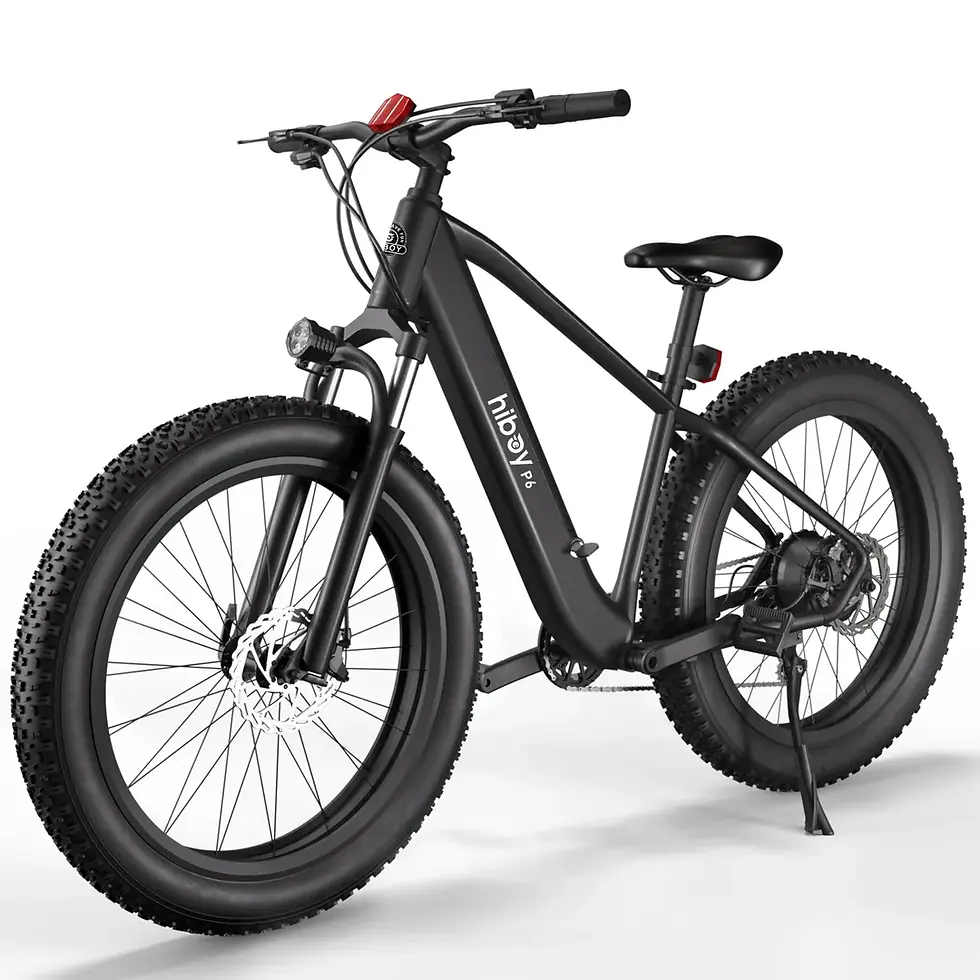
Electric bikes are rapidly becoming one of the most popular ways to commute, exercise, and explore the outdoors. Whether you’re new to e-bikes or considering buying one, a common question always comes up: how do electric bikes work?
Understanding the basics will not only help you ride more confidently but also improve your bike’s performance and lifespan.
In this guide, we’ll break down how electric bikes work, how to ride an electric bike, and what makes them different from traditional bicycles.
What Is an Electric Bike?
An electric bike (or e-bike) is a bicycle equipped with a battery-powered motor that assists your pedalling. You still pedal like a normal bike, but the motor gives you an extra boost, making hills easier, rides faster, and long distances more comfortable.
Most e-bikes come in several styles, including:
Mountain e-bikes
Folding e-bikes
Step-through e-bikes
No matter the type, the core technology behind them is largely the same.
How Do Electric Bikes Work?
Electric bikes work using a blend of mechanical pedalling and electrical assistance from the motor. When you pedal, sensors detect your movement and signal the motor to provide power. The controller decides how much power is delivered based on your settings.
In simple terms:
You pedal → Sensors activate → Controller sends power → Motor boosts your ride.
To understand this fully, let’s look at the main components.
Key Components of an Electric Bike
1. Battery
The battery is the energy source of the e-bike. Usually measured in watt-hours (Wh), it determines:
How far can you ride
How strong the assist feels
How long can the bike operate between charges
Most e-bike batteries are removable and take 4–6 hours to fully charge.
2. Motor
The motor provides the boost that makes riding easier. There are two main types:
Hub Motor
Located in the front or rear wheel.
Simple design
Smooth acceleration
Ideal for city or casual riders
Mid-Drive Motor
Mounted near the pedals.
Better for hills
Efficient power transfer
Popular in mountain and premium e-bikes
3. Controller
This is the “brain” of the e-bike. It regulates how much power goes from the battery to the motor based on:
Pedal assist level
Throttle input (if included)
Riding conditions
4. Pedal Assist Sensors
Two types of sensors help determine how the motor responds when you start pedalling:
Cadence sensor: Activates when pedals move
Torque sensor: Measures how hard you pedal (more natural and responsive)
5. Display Screen
Most e-bikes have a handlebar-mounted display showing:
Speed
Battery level
Assist mode
Range estimate
Trip distance
How the System Works Together
When you begin pedalling:
Pedal sensors detect movement
They send a signal to the controller
The controller tells the motor how much assistance to provide
The battery delivers power to the motor
The motor adds torque, helping you ride with far less effort
Some e-bikes also include a throttle, which allows you to ride without pedalling, similar to a scooter.
How to Ride an Electric Bike: A Step-by-Step Guide
If you’re new to e-bikes, don’t worry, they’re designed to be simple.
1. Start with the Basics
Turn on the display
Select an assist level (1–5 is common)
Begin pedalling naturally
The motor will activate automatically.
2. Adjust Your Assist Level
Low assist = more exercise, longer range
High assist = easier rides, faster acceleration
Switch depending on terrain and your comfort level.
3. Use the Throttle (If Available)
Some e-bikes include a thumb or twist throttle that propels the bike forward without pedalling. Useful for:
Quick starts
Climbing hills
Reducing effort in heavy traffic
4. Brake Early and Smoothly
E-bikes move faster than regular bikes. Use both brakes evenly and brake earlier, especially when riding downhill or in wet conditions.
5. Shift Gears Properly
On mid-drive e-bikes:
Shift gears like a regular bike
Lower gears make hills easier
Higher gears are ideal for speed
Proper shifting improves performance and protects the drivetrain.
How Does an Electric Bike Work Compared to a Regular Bike?
Even with all the technology, an electric bike still works like a normal bicycle:
You can pedal with the motor off
Chains, gears, and brakes function the same
Mechanical riding feels familiar
The difference is that the motor amplifies your effort, so:
Hills feel flatter
Long rides feel shorter
Heavy loads feel lighter
Understanding the Battery: Range & Efficiency
How long does an e-bike battery last? Typically between 20–60 miles, depending on:
Assist level
Rider weight
Terrain
Temperature
Tire pressure
Tips on how to extend battery life:
Charge regularly
Avoid extreme heat or cold
Use lower assist on flat terrain
Keep tyres properly inflated
Why Understanding How Electric Bikes Work Matters
Knowing the basics helps you:
Choose the right e-bike
Ride more efficiently
Troubleshoot simple issues
Extend your battery lifespan
Stay safe on the road
And if you’re a beginner, understanding how to ride an electric bike can make your first rides smoother, safer, and a lot more fun.
Conclusion
Electric bikes are simple, powerful, and incredibly convenient. Now that you understand how electric bikes work and the basics of how to ride an electric bike, you’re ready to get the most out of your rides. Whether you want to commute faster, explore longer, or simply enjoy a smoother cycling experience, an e-bike is one of the best choices available today.


