
How Luxury Estates Build Desire Before the First Private Showing
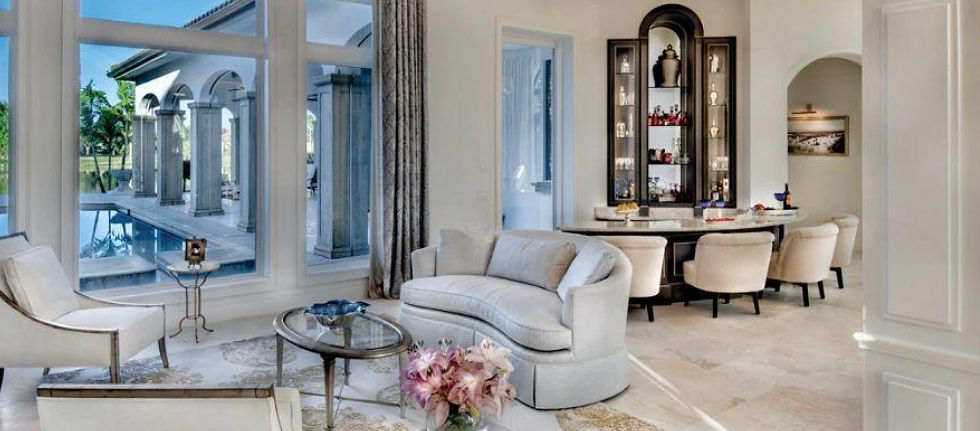
The first private showing of a luxury estate rarely begins at the front gate.
For serious buyers at the top end of the market, the impression starts earlier. In a confidential broker presentation. An architectural image circulated through private channels. A curated digital feature that introduces the property before any appointment is made. By the time a buyer arrives for their first visit, they have already formed a significant impression of the home — of its character, its atmosphere, the life it makes possible.
At this level, a property must communicate a way of living before it is physically experienced. The question is how well it manages to do that.
What Luxury Buyers Actually Read
Square footage, bedroom count, and amenity lists are the baseline. They qualify a property for consideration. They don't create desire.
What creates desire in a high-net-worth buyer is harder to articulate but consistent in practice. It's the sense that a property has a distinct architectural identity — that it was conceived with intention rather than assembled. That the privacy is genuine, not claimed. That the views, the arrival, the materials, and the relationship between interior and landscape all reinforce each other. That the property reflects a particular kind of life, and that it's the right kind.
The buyers who move quickly on exceptional estates are typically the ones who felt the home made sense before they visited — whose imagination was already working in the space before they walked through it.
When the Estate Exists Before It Can Be Photographed
Some of the most significant luxury homes reach the market before they are fully complete. A private estate in its final stages of construction. A historic compound undergoing a major renovation. A branded residence development whose flagship units won't be finished for another year. A cliffside property being redesigned by an architect known for a specific approach to landscape and form.
In each of these cases, the property needs to tell its story before the photographer can tell it for them.
When an estate is still under construction, being renovated, or prepared for market before final photography is possible, architectural rendering can help communicate the intended relationship between form, materials, light, interiors, landscape, and lifestyle. This is the work that closes the gap between architectural intent and buyer imagination — showing not only what a property will look like, but what it will feel like to inhabit.
The Arrival Sequence
The experience of a great estate begins before the front door.
The private driveway that signals a deliberate transition from the public world to a protected one. The gated entry that controls what is visible and from where. The motor court that positions the house relative to the arriving guest — its scale, its relationship to trees and sky, its first encounter with the landscape the property commands. The moment where the façade reveals itself, and the architecture makes its initial argument.
These elements are not logistics. They are the opening movements of the estate's story, and buyers absorb them before a word has been said or a room shown. A property that handles arrival well — that builds anticipation and delivers a sense of arrival — has already done something that most properties never achieve.
Interiors That Suggest a Life
The most memorable luxury interiors communicate who will live in them, not just how they look.
A dining room that seats fourteen across a single custom table, lit so that the conversation feels both intimate and theatrical, argues for someone who hosts with intention. A library where the books are clearly read rather than arranged argues for a life of substance. A primary suite separated from the main household's activity by its own corridor and garden connection argues for a certain relationship to privacy and calm. A screening room, a wine cellar, a studio, a spa suite: each one is not just an amenity, but a declaration about how time is spent in this house.
The best luxury interiors don't feel styled. They feel inhabited — or ready to be. The materials, the proportions, the quality of the light at different hours, the way rooms open toward each other or close away from the world: these compose the atmosphere that buyers are actually responding to when they say a home felt right.
Telling the Complete Development Story
For branded residences, private estate communities, and high-end developments, the communication challenge extends beyond the individual unit.
A buyer evaluating a residence within a curated mountain community or a waterfront compound needs to understand the whole picture: the arrival from the main road, the shared amenities, the relationship between individual residences and the broader landscape, the positioning of views and privacy across different orientations. No single rendered room communicates this.
For branded residences, private estate communities, or new luxury developments, luxury property visuals can help bring together exterior identity, interiors, amenities, landscape, and site context into a more complete story before buyers arrive for a private presentation. A buyer who has already understood the property at this scale — who can see how their future home relates to the community, the views, the amenities, and the landscape — arrives at a private showing with a different quality of readiness than one encountering all of this for the first time.
Landscape as Core Value
The outdoor living areas of exceptional estates have moved from amenity to architecture.
A pool terrace that is genuinely private — screened from neighbours, oriented toward the view, shaded at the hours when it matters — is not the same as a pool. A covered outdoor kitchen that allows for real entertaining in most weather is not the same as a patio. A garden that transitions deliberately from the residence to the surrounding landscape, using native planting to blur the boundary between cultivated and wild, is not the same as a yard.
At the top of the market, these distinctions are understood. Buyers who have owned multiple properties know what it means for outdoor space to be well-considered versus well-furnished. And they know the difference before they see it in person, because the photography or the rendered image or the aerial shows it clearly — or doesn't.
What Buyers Now Expect From Luxury
The definition of luxury in residential real estate has expanded.
Energy efficiency and smart home systems are no longer differentiators for a certain class of buyer — they are expected. Properties that cannot demonstrate resilient design, thoughtful use of sustainable materials, and infrastructure for the technology that governs how sophisticated households actually operate are beginning to feel dated, regardless of how impressive their finishes are.
The most future-forward luxury estates are the ones that have thought about this across the whole property: insulation and solar capacity designed to support the lifestyle rather than compromise it, smart systems that manage lighting and climate and security without constant attention, materials specified to last decades rather than design cycles. These properties communicate something about the owner's intelligence as well as their taste.
The Story Behind the Property
At the level where estates are traded privately, provenance matters.
Who designed the house, and what is their architectural standing? What was the renovation story — what was discovered, what was preserved, what was transformed? What makes the site rare: the acreage, the water frontage, the elevation, the privacy from surrounding development? What materials were sourced and from where?
These details are not incidental. They are part of what justifies the asking price and part of what makes the property worth acquiring in the first place. A home with a genuine story — a noted architect's most personal project, a historic compound restored over a decade, a hilltop site with views that cannot be replicated — commands a different conversation than one with equivalent specifications and no narrative.
Specificity Over Statement
The most damaging thing a luxury estate can do in its pre-market presentation is sound like every other property at its price point.
"Unparalleled" says nothing if the images don't show it. "World-class" is meaningless without the specificity that makes it true. The properties that hold buyers' attention are the ones that are impossible to confuse with anything else: the geometry of this particular cliffside, the relationship between this terrace and this sunset, the specific quality of the material palette chosen for this design in this landscape.
By the time a buyer crosses the threshold for their first private showing, a great estate should already feel legible. Not as a list of features, but as a life they've been imagining since they first saw it.


