
How to Choose the Right Bed for Spa and Salon Services

A client may forget the exact brand of serum used during a facial, but they will remember whether they felt relaxed, supported, and comfortable throughout the appointment. In many spa and salon services, the treatment bed quietly shapes that memory. It is the piece of furniture clients spend the most time on, and it is also the station around which the professional works for the entire session.
That is why choosing a bed should not be treated as a quick furniture purchase. A good bed supports the client, protects the technician’s posture, helps the room stay clean, and fits the actual services offered by the business. A poor choice may still look fine in photos, but daily use can reveal problems: weak cushioning, awkward height, difficult cleaning, or a layout that slows the technician down.
For salon owners and spa operators, the best decision usually comes from looking at three things together: client comfort, workflow, and long-term durability. When those factors line up, the bed becomes part of a smoother experience.
Choosing Between Spa and Beauty Beds Starts With Your Service Menu
Not every treatment room needs the same type of bed. A massage room, facial room, lash suite, waxing room, and spa wellness space all place different demands on the equipment. A massage bed needs stability when pressure is applied during bodywork. A beauty bed for facials often benefits from adjustable back and leg sections. A spa bed may need to feel softer and more restful for longer relaxation-focused sessions. A salon bed used for mixed services has to balance flexibility with easy daily operation.
This is where many owners run into trouble. They choose a bed that looks professional, then try to make it work for every service. The better approach is to start with the service menu. Which treatments happen most often? How long does a typical appointment last? Does the technician sit or stand? Does the client need to lie flat, recline, or move between positions?
When comparing wholesale beauty spa beds, it helps to think less about the product category and more about the room itself. A bed for lash extensions should support long periods of stillness and allow the artist to work close to the client’s head. A bed for massage should feel steady and supportive under pressure. A bed for facials should make it easy to adjust the client’s position without interrupting the flow of the treatment.
Massage Bed Foam Density and Upholstery Grade Determine Long-Term Comfort
Comfort is easy to underestimate because clients may not explain it in technical terms. They probably will not mention foam density, upholstery strength, or support layers. They will simply feel whether the bed is comfortable enough for the full appointment. If the surface is too firm, too thin, or uneven, the client may leave feeling less relaxed even if the service itself was performed well.
This matters most during longer treatments. A short waxing appointment and a 90-minute massage do not require the same level of support. During long sessions, pressure can build around the shoulders, lower back, hips, knees, or neck. Good cushioning should reduce that discomfort without making the client feel like they are sinking too deeply into the bed.
The details inside the bed play a large role here. Upholstery, memory foam, high-density foam, padding thickness, and the structure below the cushion all affect how the bed performs over time. The upholstery grade and massage bed foam density directly affect whether the surface stays supportive after months of appointments, repeated cleaning, and daily pressure — not just on the first day of use.
For businesses with multiple rooms, consistency also protects the brand experience. A client should not feel a major difference in comfort simply because they were assigned to another treatment room. Choosing beds with durable cushioning and reliable support helps keep the experience more predictable.
Technician Access Can Change the Entire Service Flow
A treatment bed is not only for the client. It also affects the person performing the service. If the bed is too wide, too low, too high, or difficult to move around, the technician has to adjust their posture around the furniture. That may seem minor during one appointment, but it can become a serious problem across a full day of work.
Massage therapists need enough room to work from both sides of the bed and apply pressure without feeling the frame shift. Estheticians often need to sit close to the client’s head while keeping tools within easy reach. Lash artists may spend hours in a precise position, so even small issues with bed height or client positioning can create strain.
Good workflow comes from small practical details. Can the technician reach the client comfortably? Is there space for a stool, trolley, lamp, or device? Can the backrest be adjusted smoothly? Does the base leave enough room for the professional’s legs or feet? These details may not be the first thing a client notices, but they strongly influence how calmly and efficiently the service is delivered.
Cleaning Should Be Part of the Buying Decision
Every spa or salon bed has to handle oils, lotions, skincare products, towels, disinfectants, and frequent client turnover. That makes cleaning more than a back-of-house task. It should be part of the buying decision from the beginning.
A surface that looks elegant but stains easily, cracks quickly, or traps residue around seams can become a daily frustration. Smooth upholstery, strong stitching, and easy-to-wipe surfaces help staff reset the room faster between appointments. They also help maintain the clean, professional impression that clients expect from beauty and wellness businesses.
Different services create different cleaning needs. A massage bed may come into frequent contact with oils. A facial bed may face skincare products and steam. A salon bed used across several treatments may need to handle a wider range of products and cleaning routines. The more heavily a room is booked, the more important durable materials become.
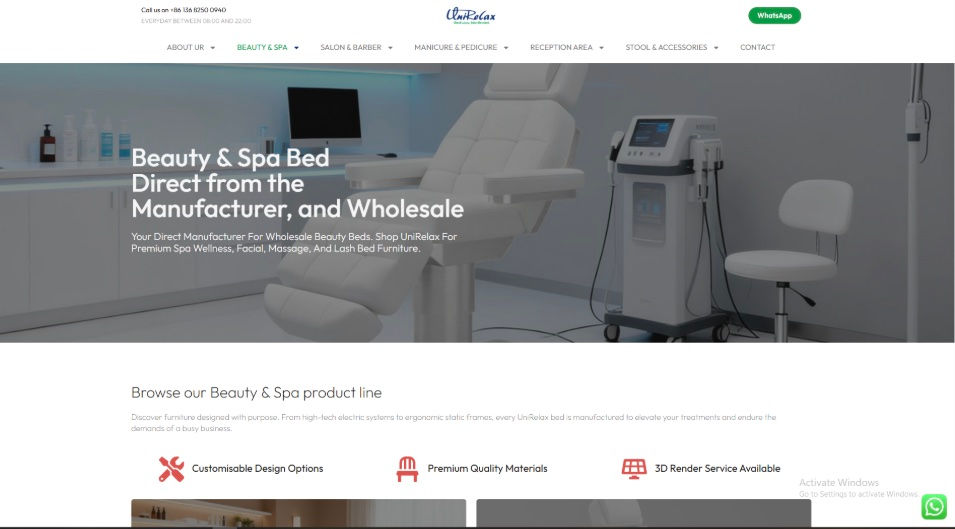
Manufacturers approach this differently. Some supply to retail distributors; others work directly with salons and spa operators. UniRelax Supply, for example, is a direct-to-salon manufacturer of electric and hydraulic beauty spa beds, working with both independent studio owners and multi-location operators across the wholesale market. Buying direct from a manufacturer rather than through a reseller typically allows owners to inspect specifications — foam density ratings, upholstery denier, frame load capacity — before committing to an order.
Think Beyond the First Purchase Price
It is understandable for owners to compare prices carefully, especially when opening a new location or furnishing several treatment rooms at once. Still, the cheapest bed is not always the least expensive choice over time. If the frame becomes unstable, the cushion flattens, or the surface wears out too quickly, the business may end up paying through repairs, replacements, or a weaker client experience.
A better question is whether the bed supports the way the business actually operates. Does it suit the main service in the room? Can clients stay comfortable for the full appointment? Can technicians work without unnecessary strain? Is the surface easy to clean between bookings? Will the bed still look and feel professional after months of daily use?
The right massage bed, beauty bed, spa bed, or salon bed does not need to be the most complicated option. It needs to fit the service, support the client, help the professional work well, and hold up under real salon conditions. When owners choose with that full picture in mind, the treatment bed becomes a quiet but important part of better service.


