
How to Prepare Exterior Outlets for Increased Electrical Demand
As homeowners see an increase in home improvements, which include outdoor living spaces, decorative lighting, and powered equipment, homeowners’ electrical systems are seeing more use than ever before. What was a single outlet used in the past for occasional use of yard tools is now expected to run lighting systems, entertainment centers, heaters, and seasonal decorations. Preparing for the greater electrical demand isn’t just a matter of adding extension cords; homeowners see that what is required is an understanding of electrical capacity, safety protections, and proper circuit planning. A well-put-together system that also takes into account reliability and that at the same time prevents issues like overheating, breaker trips, or electrical fires.
Why Exterior Electrical Planning Is Essential
Outdoor electrical systems do it tough in environments that are much more severe than that of interior wiring. Homeowners see moisture, heat, cold, and physical damage as primary issues. Also, when more electrical load is added to the system without first looking at what is there, homeowners may end up overloading the circuit’s safe capacity. Overloaded circuits will begin to cook inside the walls, which in turn will damage the insulation and present fire hazards. Also, it is only when breakers start to trip out repeatedly that many homeowners will recognize there is a problem. Homeowners should see breaker trips as warning signs that the issue of electrical demand has by that time gone beyond what is safe. Proactive planning is the key to putting these issues to rest before they even start.
Understanding GFCI Protection for Outdoor Outlets
Ground Fault Circuit Interrupter outlets, which many know as GFCIs, are required for most outdoor applications, which protect against electric shock. These outlets monitor the flow of electricity and will shut off power at the speed of a second if they see an imbalance, which in turn usually means electricity is going a non-intended path, such as water or a person. Outdoor elements present moisture risk in the form of rain, irrigation, snow, or high humidity. If outdoor outlets do not have test and reset buttons or are not protected by a GFCI breaker, it is time to upgrade them before electrical demand is increased. GFCI protection is a safety base that should never be ignored.
Amperage Limits and Circuit Capacity
In the home each electrical circuit has a rated amperage, which is usually 15 or 20 amps in residential settings. That rating is what determines the amount of electrical current the wiring is meant to handle. For continuous loads that run for long periods of time, electricians recommend not using over 80% of the circuit’s capacity. Thus, a 15-amp circuit should see no more than 12 amps for long-term use, and a 20-amp circuit should not go over 16 amps. While immediate failure may not occur by going over these limits, it does cause an increase in wire heating, which in turn reduces safety buffers and may lead to damage over time.
How to Calculate Electrical Load
Before installing new outdoor equipment, it is important to do a total energy use assessment. Each appliance and light system has a rated wattage. By dividing that by the voltage, which is usually 120 in home systems, homeowners can determine the amp draw of the device. Also, when multiple devices are on the same circuit, homeowners must add up their amperage. Many homeowners tend to underplay how fast those loads add up, which is true especially with the use of heaters, decorative lights, and power tools. Careful load calculation is key to making sure total demand is within safe operating parameters.
Evaluating Breaker Panel Capacity
In each circuit there are limitations; also, the main electrical panel has a total service capacity. In most homes, there are 100, 150, or 200-amp service panels. If a home’s panel is near its max capacity, additional outdoor demand may require an upgrade. That the panel is stressed may show in the form of breakers that trip frequently, flickering lights at appliance startup, or a lack of breakers available. An electrician is able to do a full load calculation to determine if the present service is able to grow safely.
The Importance of Dedicated Circuits
When power demands go up greatly, a dedicated circuit is the best solution. A dedicated circuit is for a single outlet or area that does not share capacity with interior rooms. Outdoor kitchens, patio heaters, hot tubs, and large-scale lighting systems often require their own circuit for safe operation. Without a dedicated circuit, outside loads may share the same pool as inside appliances, which in turn causes breakers to trip or components to overheat. Dedicated circuits provide stable, predictable performance and also reduce the risk of overload.
Weather-Resistant Equipment and In-Use Covers
Preparing for greater use of exterior outlets also means attention to environmental issues. For example, outlets for outdoor use should have weather-resistant features and should include in-use covers, which protect the plugs while they are in the socket. As the load on the system increases, so does the heat at connection points, which is why it is important that outlets are free from corrosion and moisture. Also, by using proper seals, long-term damage is reduced while maintaining safe performance under heavy use.
Seasonal Lighting Often Reveals Electrical Limitations
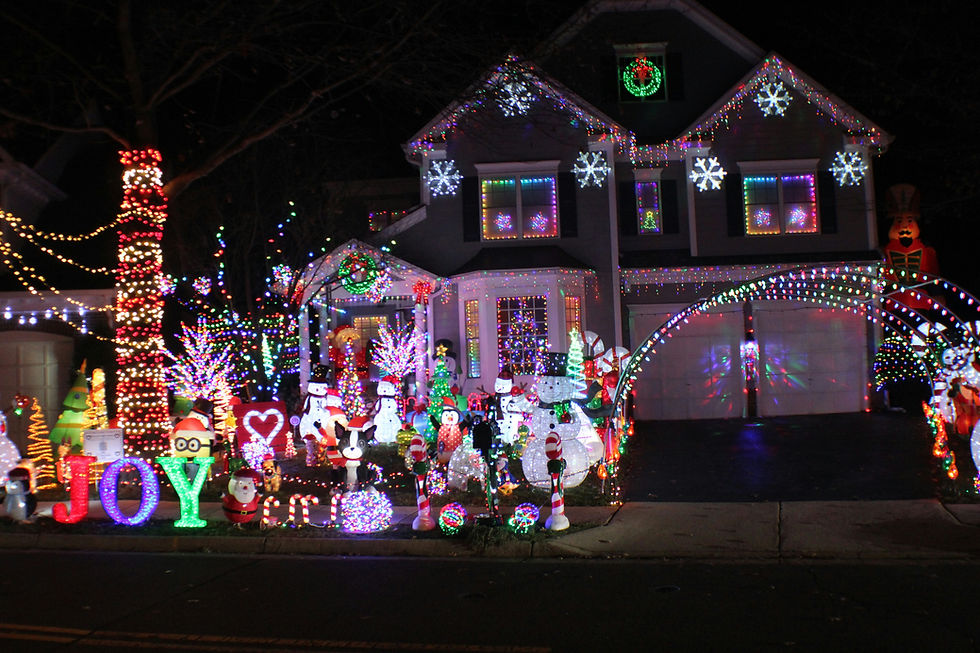
Many times, homeowners do not know of the issues with their external electric systems until Christmas time. Projects such as roofline christmas lights installation often involve adding multiple lighting runs along roof edges and wrapping trees or yard features. As more strands are plugged in at once, the circuits break. This is not just an issue of inconvenience; it is a notice that safe capacity has been exceeded. Too much focus is often put on appearance and not enough on the total wattage of what is installed and how it is distributed over different circuits. Safe load management is much more important than perfect design.
When to Call a Licensed Electrician
Sure, you can figure out some basic electrical stuff on your own, but when you need more power outside, it’s smart to call in a pro. A licensed electrician looks at everything—wire thickness, breaker ratings, how much your panel can handle, grounding, and what the local codes say. If your breakers keep tripping, outlets feel hot, you hear buzzing, or see burn marks, don’t wait. You need a professional to check it out. Trying to upgrade things yourself without real training can go sideways fast and even cause fires.
Planning for Future Outdoor Power Needs
Thinking about adding things later, like landscape lights, outdoor speakers, or big holiday displays? Plan ahead. If you’re already doing renovations, have extra circuits put in now. It’s way cheaper than scrambling for emergency fixes later. Some people even add a subpanel near their deck or patio to make future upgrades easier. The best move is to think a few steps ahead and set up your wiring for where you want your outdoor space to go.
Final Thoughts on Safe Load Planning
Just tacking on more outlets isn’t enough when you want more power outside. You’ve got to pay attention to GFCI protection, breaker sizes, how much current your system can safely handle, and whether you need dedicated circuits for certain things. Problems often pop up around the holidays when all those lights go up—suddenly you find out your system’s limits the hard way. To keep your home, your gear, and your family safe, plan your upgrades with safety in mind from the start. And if you’re ever unsure, let a licensed electrician take the lead. That way, your outdoor projects stay safe and trouble-free for years to come.


