
Is a Barndominium Worth Building in 2026? The Honest Cost Breakdown Nobody Gives You
- May 29
- 3 min read
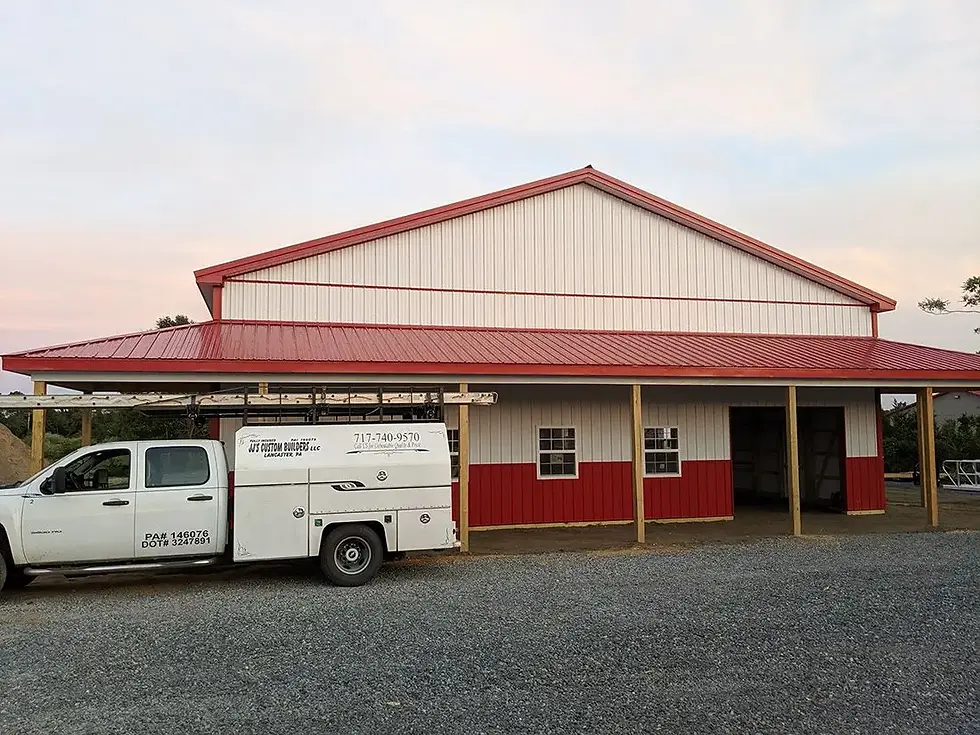
A few years ago, say the word barndominium at a dinner table and half the people would squint. The other half would picture something between a warehouse and a weekend cabin functional maybe, but not exactly a home you'd raise a family in
But here's what most people figure out too late: the build itself is only as good as the team running it. Finding the right barndominium builders servicing your region is where most projects either come together or fall apart.
What Actually Goes Into Building One of These
Here's something nobody really explains upfront: there isn't one way to build a barndominium. There are a few different structural approaches, and the one you choose affects everything downstream cost, timeline, how easy it is to finish the interior, how the building holds up ten years from now.
Most people pick one before they fully understand what they're picking. That's usually where the regret starts.
The Three Ways People Build Them
Post-frame is the most common starting point. Big wooden posts go into the ground or onto concrete footings, and the roof and walls hang off those.
Steel-frame costs more upfront. No way around that. But you're getting a skeleton that doesn't rot, doesn't get eaten by termites, and doesn't shift the same way wood does over time. In areas that see serious weather high winds, heavy snow loads, that kind of thing — the extra cost tends to make sense in hindsight.
Hybrid sits in the middle, and honestly it's where a lot of experienced builders end up pointing their clients. You get the metal shell on the outside durable, low maintenance but the interior framing is standard wood. That matters more than people expect. When it comes time to hang drywall, run electrical, put up cabinets familiar framing makes all of that easier and usually cheaper.
The thing is, most people walking into their first conversation with a contractor don't know which of these fits their situation. That's fine. But it means the contractor you're talking to needs to have actually built all three not just have an opinion about them.
If they're steering you hard toward one option without asking about your land, your climate, your budget, and your timeline first — that's worth paying attention to.
What Drives the Final Cost
The shell isn't where your money goes. The shell and structure account for roughly 25 percent of the total cost, while insulation, drywall, flooring, plumbing, HVAC, and fixtures account for the remaining 75 percent.
That's the number most people miss when they get their first quote. The steel frame looks affordable — and it is. But the interior is where decisions stack up fast.
Hidden Costs Worth Knowing Early
Land clearing and grading can add $5,000–$20,000 depending on the site
Spray foam insulation — often necessary in metal buildings — adds $3–$7 per square foot over standard batt
Permit fees vary widely by county and can surprise people who didn't ask upfront
Why Location Changes Everything
Barndominiums aren't equally popular — or equally straightforward to build — everywhere. This is exactly why choosing barndominium builders servicing your specific area matters more than picking a nationally recognized name.
Questions That Separate Good Builders From the Rest
Don't walk into the first meeting unprepared. Ask these before you commit to anyone:
How many barndominiums have you completed in this county or region?
Can I visit a finished project — not just see photos?
What happens when material costs shift mid-build?
Even DIY builders should plan for professional assistance with specialized work such as HVAC systems, plumbing, or electrical installations — especially in larger builds with extensive living space or advanced floor plans. A builder who tries to do everything themselves isn't necessarily a red flag — but one who can't clearly explain who's handling each trade is.
Before You Break Ground, Get This Right
Walk comparable finished builds in person. Get three quotes minimum. And make sure whoever you hire has done this specific type of project before not just general construction work in the area.
By 2026, financing for barndominiums is becoming more conventional as acceptance grows, and lenders are more likely to approve well-documented builds that meet code and provide finished living areas.


