
Smart Tips to Protect and Preserve Your Handbags
- Mar 1
- 6 min read
Updated: Mar 23
A handbag is more than just a functional accessory—it's an investment in style, quality, and personal expression. Whether you own a treasured designer piece, a practical everyday tote, or beautifully crafted custom bags, proper maintenance is essential to preserve their beauty and extend their lifespan. Regular care not only keeps your handbags looking pristine but also protects the materials from premature wear and damage.
Custom handbags deserve particularly attentive care due to the unique materials, specialized craftsmanship, and personalized details that make them one-of-a-kind pieces. These bespoke accessories often feature premium leathers, intricate embroidery, distinctive hardware, or hand-finished details that require thoughtful handling.
Experienced bag manufacturers like RONEER understand the nuances of different materials and construction techniques, offering valuable insights into best practices for handbag care. By following professional guidance and establishing consistent maintenance routines, you can ensure your custom bags remain stunning conversation pieces for yearRONEERs to come.
Understanding Your Handbag Material
The foundation of effective handbag care begins with understanding what your bag is made from. Different materials have distinct characteristics and vulnerabilities that dictate specific care requirements.
Leather handbags represent timeless elegance but demand regular conditioning to prevent drying and cracking. Full-grain leather develops a beautiful patina over time, while suede and nubuck require specialized brushes and protective sprays to maintain their distinctive texture.
Faux leather offers an animal-friendly alternative that's generally more resistant to water but can be susceptible to peeling or cracking if exposed to extreme temperatures or harsh chemicals. These synthetic materials benefit from gentle cleaning with mild soap solutions.
Canvas and fabric bags provide durability and casual style. While generally easier to clean than leather, they can absorb stains more readily and may require pre-treatment with fabric protectors to repel moisture and dirt.
Custom handbags often incorporate multiple materials or feature delicate embellishments like embroidery, beading, metallic accents, or unique textural elements. These special details require extra consideration during cleaning and storage. Always check for manufacturer care tags or documentation that comes with your custom bags. Reputable manufacturers provide detailed care instructions specific to the materials and techniques used in construction. When purchasing custom handbags, don't hesitate to ask about material composition and recommended care protocols—this information is invaluable for long-term maintenance.
Cleaning Techniques for Handbags
Establishing a regular cleaning routine prevents dirt accumulation and keeps your handbags looking fresh. The frequency and method depend on how often you use each bag and the materials involved.
For daily maintenance, empty your handbag completely and gently shake out debris. Use a soft, dry cloth or a handheld vacuum with a brush attachment to remove dust and crumbs from interior pockets and seams. Wipe down exterior surfaces with a microfiber cloth to remove surface dust and fingerprints.
Spot cleaning addresses specific stains or marks without subjecting the entire bag to moisture. For leather, use a slightly dampened cloth with leather-specific cleaner, working gently in circular motions. Test any cleaning product on an inconspicuous area first. Canvas and fabric bags can often handle gentle spot treatment with mild soap and water, though colored fabrics may bleed, so proceed cautiously.
Deep cleaning should be performed seasonally or when your bag shows visible soiling. Leather handbags benefit from professional cleaning services that can safely remove embedded dirt and restore moisture. For fabric bags that can handle water exposure, hand washing with gentle detergent may be appropriate, followed by air drying away from direct heat.
When caring for custom bags with special features, extreme caution is necessary. Embroidered areas, metallic hardware, and decorative elements may not tolerate moisture or cleaning solutions. Use cotton swabs for precision cleaning around delicate details, and consider professional services for valuable custom handbags with complex construction.
Essential cleaning tools include soft microfiber cloths, soft-bristled brushes, leather conditioner, fabric protector spray, and pH-neutral cleaners specifically formulated for handbag materials. Avoid household cleaners, bleach, or abrasive materials that can damage surfaces or strip protective finishes.
Protecting Your Handbag
Prevention is the most effective maintenance strategy. Protecting your handbags from environmental damage significantly extends their useful life and preserves their appearance.
Water exposure is one of the most common threats to handbags. While some treated leathers offer water resistance, most materials suffer damage from prolonged moisture contact. Apply water-repellent sprays designed for your bag's specific material, and always check weather forecasts before carrying non-waterproof bags. If your handbag does get wet, blot excess moisture immediately with absorbent cloths and allow it to air dry naturally—never use hair dryers or place near radiators, as heat can warp materials and crack leather.
Sunlight and heat cause fading, drying, and material degradation. Store handbags away from windows and avoid leaving them in hot cars where temperatures can damage adhesives, dry out leather, and fade colors.
Physical protection through dust bags, breathable fabric covers, or original packaging boxes shields handbags from dust, scratches, and environmental pollutants during storage. Many luxury and custom handbags come with branded dust bags—use them religiously when bags aren't in use.
RONEER and other quality bag manufacturers often incorporate protective measures during production, such as applying leather sealants, reinforcing stress points, and using color-fast materials. They also package custom handbags with protective materials during shipping to prevent damage in transit. Following their lead by maintaining these protective practices at home ensures your investment stays protected.
Storage Tips
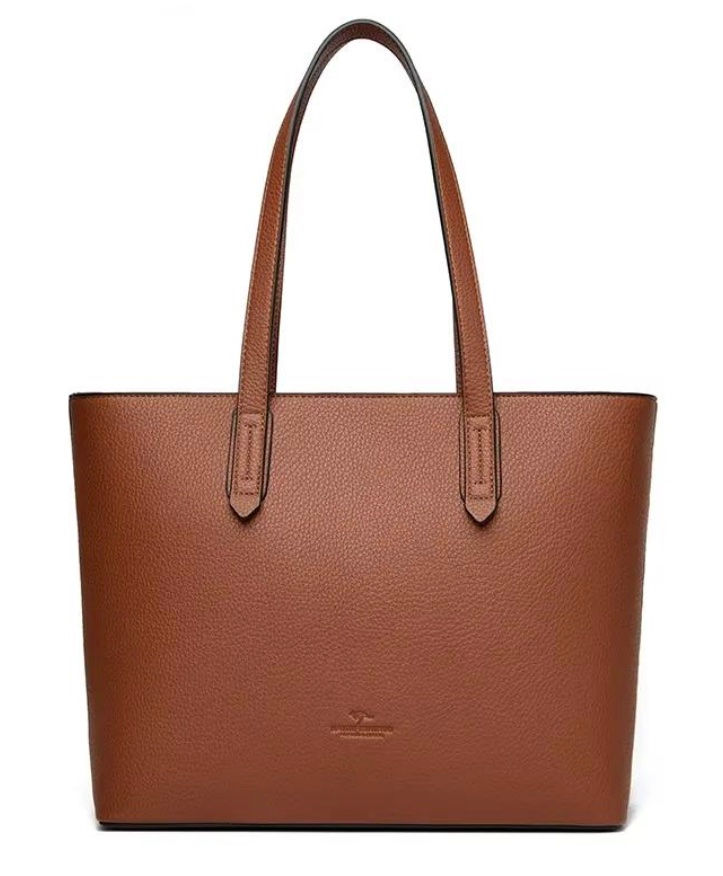
How you store handbags directly impacts their shape, material integrity, and overall condition. Poor storage leads to creasing, deformation, hardware tarnishing, and material breakdown.
The ideal storage environment is cool, dry, and dark—a closet shelf or dedicated storage area away from humidity and temperature fluctuations. Avoid basements or attics where moisture and extreme temperatures fluctuate seasonally.
For maintaining shape, stuff handbags with acid-free tissue paper, bubble wrap, or purpose-made bag shapers. This prevents slouching and creasing, particularly important for structured custom bags with distinctive silhouettes. Never use newspaper, as ink can transfer to interior linings.
Hanging versus laying flat depends on bag construction. Soft, unstructured bags can hang from padded hooks or hangers, while structured handbags should stand upright on shelves to maintain their form. Never hang heavy bags by delicate handles, which can stretch or tear.
For seasonal rotation, clean bags thoroughly before storing them for extended periods. Remove all contents, treat leather with conditioner, and ensure bags are completely dry. Store in dust bags with silica gel packets to control moisture, and check periodically for signs of mold or material degradation.
Custom handbags with unique embellishments require individual compartments or extra padding between bags to prevent hardware from scratching adjacent pieces. Consider clear storage boxes that allow you to see contents while providing dust protection.
Handling and Daily Use Practices
Mindful daily habits prevent most common handbag damage. How you carry, fill, and handle your bags significantly affects their longevity.
Avoid overloading handbags beyond their intended capacity. Excessive weight strains handles, hardware, and seams, causing premature wear or catastrophic failures. Distribute weight evenly and clean out unnecessary items regularly.
Handle with clean hands when possible, as oils, lotions, and dirt transfer readily to bag surfaces, particularly light-colored materials. If you've applied hand cream or sunscreen, allow it to absorb fully before handling custom handbags.
Protect against stains by being cautious with cosmetics, pens, and food items inside your bag. Use interior pouches to contain potentially leaking items. Treat leather bags with protective sprays that create stain-resistant barriers.
Rotate your collection rather than using the same bag daily. This practice allows materials to rest and recover, prevents uneven wear patterns, and extends the life of your entire collection. Custom handbags with special occasion designs especially benefit from limited, purposeful use.
When setting bags down, avoid placing them directly on floors, especially in public spaces where dirt, moisture, or rough surfaces can damage bottoms. Use bag hooks, designated chairs, or your lap instead.
For custom handbags featuring unique materials like exotic leathers, delicate fabrics, or intricate beadwork, extra vigilance is warranted. These pieces may require dedicated care routines and should be reserved for appropriate occasions where they won't face harsh conditions.
Repair and Maintenance
Even with excellent care, handbags eventually need repairs. Addressing issues promptly prevents minor problems from becoming major damage.
DIY repairs can handle simple issues: tightening loose hardware with appropriate screwdrivers, re-gluing minor leather separations with leather adhesive, or replacing missing decorative studs. However, know your limits—amateur repairs on valuable custom bags can decrease value and cause additional damage.
Professional services should handle significant repairs: broken zippers, torn linings, handle replacements, hardware restoration, or structural damage. Seek specialists experienced with your bag's specific materials. Many bag manufacturers, including RONEER, offer repair services or can recommend qualified professionals familiar with their construction techniques.
For custom handbags, returning to the original manufacturer often yields the best results, as they have matching materials, hardware, and expertise specific to your bag's construction. They can also advise whether repairs are feasible or if certain damage is irreversible.
Regular professional maintenance, such as annual leather conditioning treatments or hardware polishing, keeps luxury and custom bags in optimal condition. Consider these services worthwhile investments in preserving valuable pieces.
Conclusion
Proper handbag care combines knowledge, consistent habits, and proactive maintenance. Understanding your bag's materials, implementing appropriate cleaning techniques, protecting against environmental damage, storing correctly, handling mindfully, and addressing repairs promptly all contribute to extended handbag lifespan and sustained beauty.
Custom handbags and custom bags, with their unique materials, specialized craftsmanship, and personalized details, particularly benefit from attentive care. These investment pieces deserve the extra consideration that preserves their distinctive character and quality construction.
By incorporating these essential care practices into your routine, you protect your investment while enjoying your handbags' style and functionality for years to come. Whether you own classic leather pieces, trendy fabric designs, or bespoke custom creations, mindful maintenance ensures they remain beautiful, functional companions that elevate your personal style every day.


