
The Rise of Foam-Driven Mixology: How Modern Bars Are Redefining Cocktail Luxury
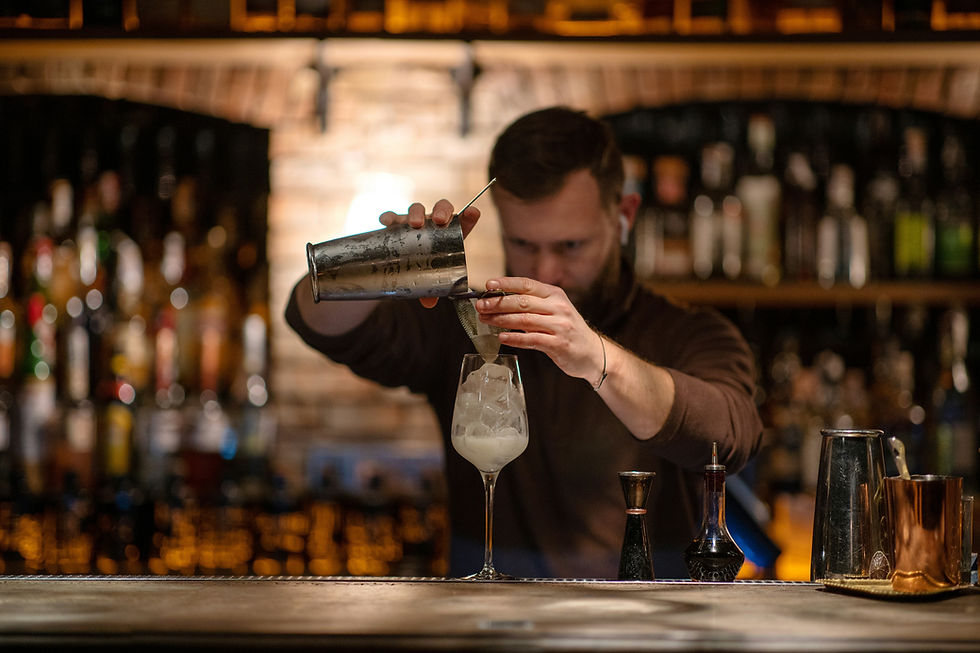
A New Era of Visual Mixology in Contemporary Culture
Cocktail culture has evolved far beyond taste alone. In today’s lifestyle-driven hospitality scene, presentation, texture, and sensory experience are just as important as flavor. Bars are no longer simply serving drinks—they are crafting visual moments designed for social media, upscale dining experiences, and immersive nightlife storytelling.
This shift has pushed bartenders and mixologists to experiment with tools and techniques that enhance both aesthetics and consistency. Foam, in particular, has become a signature element in modern cocktails, adding elegance, structure, and a luxury finish to even the simplest recipes.
As demand for premium drink experiences grows, the science behind foam has become a defining factor in high-end cocktail design.
Why Foam Has Become the Signature of Modern Bars
Foam is no longer a novelty in mixology—it is a core design element. It transforms texture, elevates aroma delivery, and creates a layered drinking experience that feels refined and intentional. In high-end cocktail bars, foam is now used as a visual signature that signals craftsmanship and innovation.
Bartenders are increasingly focused on consistency, ensuring that every drink maintains the same structure and presentation regardless of volume or rush hour pressure. This has led to a growing reliance on controlled gas infusion systems and precision tools.
In fact, many professionals now rely on systems such as Fast Gas certified N2O and gas products to achieve consistent foam density and stability in cocktail preparation.
The Science Behind Cocktail Foam Stability
Foam in cocktails is created by trapping gas bubbles within a liquid structure, often stabilized by proteins, sugars, or emulsifiers. The challenge lies in maintaining that structure long enough for presentation and consumption without collapse.
Nitrous oxide plays a key role in this process due to its ability to dissolve into liquids under pressure and release in fine, stable bubbles. This creates a smooth, velvety texture that enhances both mouthfeel and visual appeal.
Key factors that influence foam stability include:
Ingredient composition, particularly protein and sugar balance
Temperature control during preparation and serving
Pressure consistency during gas infusion
Proper emulsification techniques
When these elements are aligned, cocktails achieve a refined, professional-grade finish that elevates the entire drinking experience.
The Modern Bartender’s Toolkit
Today’s bartenders operate more like culinary engineers than traditional drink makers. Precision tools, controlled gas systems, and advanced syrups or foaming agents are now standard in premium establishments.
The modern cocktail toolkit typically includes:
Precision whippers for controlled gas infusion
Specialty bitters and emulsifiers for flavor layering
Temperature-controlled storage systems
High-quality glassware designed for presentation impact
These tools allow bartenders to replicate results consistently, which is essential in high-volume luxury venues where presentation standards are extremely high.
Comparing Traditional vs Foam-Enhanced Cocktails
To understand the impact of foam technology, it helps to compare traditional cocktails with foam-enhanced versions:
Feature | Traditional Cocktails | Foam-Enhanced Cocktails |
Visual appeal | Minimal garnish focus | Layered, textured presentation |
Flavor delivery | Linear taste profile | Multi-layer sensory experience |
Texture | Liquid only | Creamy, airy, structured foam |
Consistency | Variable | Highly controlled |
Social media appeal | Moderate | High |
This comparison highlights why foam has become a defining feature in upscale cocktail culture.
Signature Foam Cocktails in Modern Mixology
Foam is now a central feature in many signature drinks found in luxury bars and boutique lounges. These cocktails are designed not just for taste, but for visual storytelling and guest engagement.
Popular foam-based cocktails include variations of espresso martinis with vanilla foam, citrus-forward sour cocktails topped with airy citrus foam, and herbal gin-based drinks finished with aromatic layers.
Each of these drinks uses foam as a structural element rather than just a decorative topping, creating a more immersive drinking experience.
The Role of Gas Infusion in Cocktail Innovation
Gas infusion technology has transformed how bartenders approach texture creation. By using controlled nitrous oxide delivery, mixologists can achieve stable foam structures that were previously difficult to maintain.
This technology allows for greater experimentation with ingredients while maintaining consistency across service periods. It also reduces preparation time during peak hours, making it both a creative and operational advantage.
In high-end hospitality environments, this balance between efficiency and creativity is essential for maintaining brand standards.
Consumer Expectations in the Experience Economy
Modern consumers expect more than just a well-made drink—they expect an experience. This expectation has driven bars and restaurants to invest heavily in presentation techniques, including foam layering and sensory enhancement.
Cocktails are now evaluated based on their Instagram appeal, texture complexity, and overall presentation journey. Foam plays a central role in meeting these expectations, offering a visually striking and texturally rich finishing layer.
This evolution reflects a broader shift in the hospitality industry toward experiential consumption.
Innovation and Consistency in High-End Bars
Luxury bars face a constant challenge: maintaining creative innovation while ensuring consistency. Foam technology helps bridge this gap by allowing bartenders to replicate complex textures with precision.
Standardized gas systems, trained techniques, and controlled ingredient ratios all contribute to a more predictable output. This ensures that guests receive the same high-quality experience regardless of timing or location.
As a result, foam has become not just a creative tool, but a standard of operational excellence.
The Future of Foam in Cocktail Culture
Looking ahead, foam is expected to play an even greater role in mixology innovation. As technology advances, bartenders will gain more control over texture density, flavor integration, and visual layering.
This will open new opportunities for signature drinks that blur the line between culinary art and beverage design. Foam will continue to evolve as a defining feature of modern cocktail identity, especially in luxury hospitality environments where presentation is as important as taste.


